Rallies Stakeholders, Unveils Guide to Ease Access to Financing
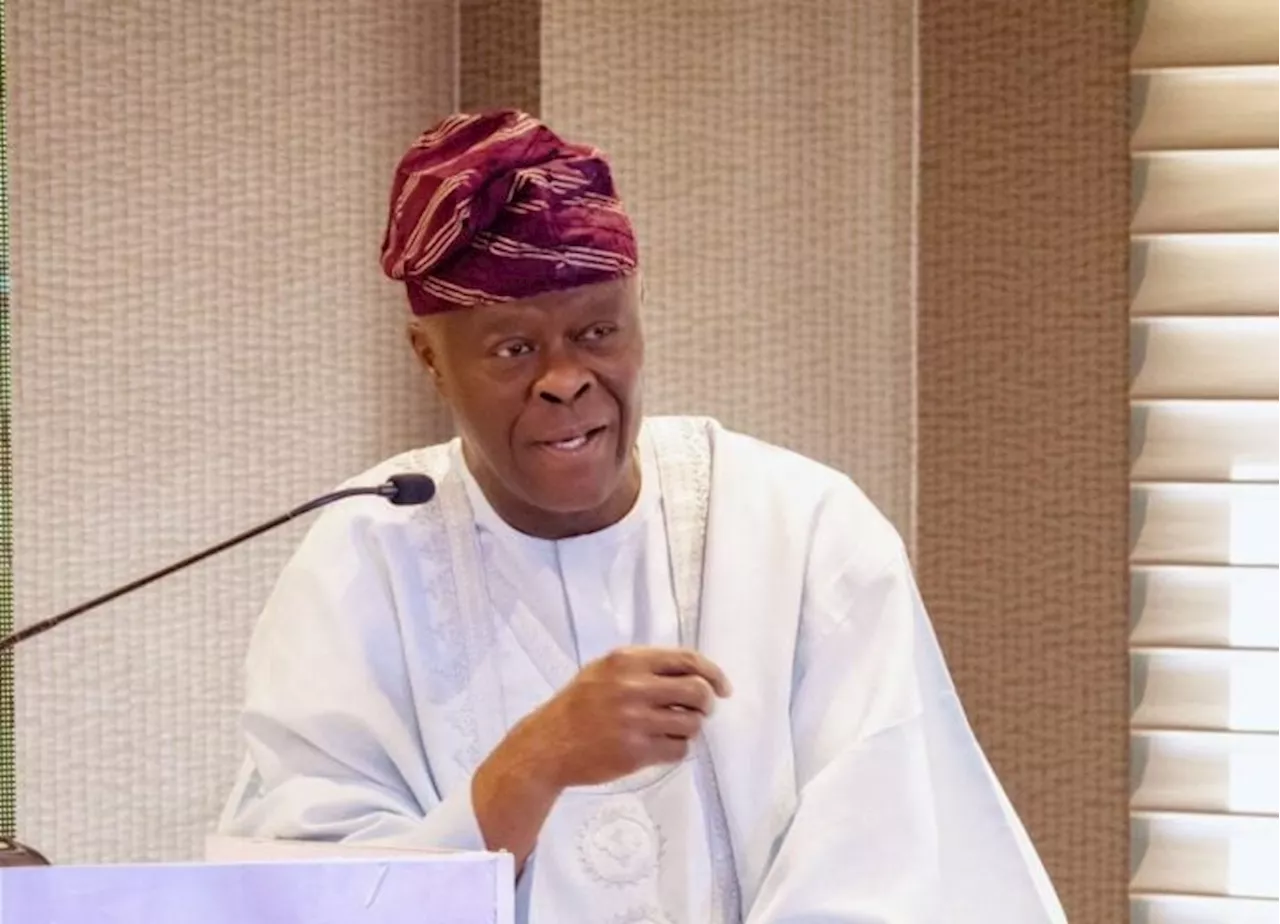
Minister of Finance and Coordinating Minister of the Economy, Mr. Wale Edun, emphasized the importance of aligning with global trends in financing for development by leveraging climate initiatives that are gaining international support. He highlighted that the federal government is actively engaging with key international organizations such as the World Bank, IMF, AfDB, and G20 to secure more support for Nigeria.
Edun spoke at a panel session titled “Unlocking Climate Finance for Sustainable Growth” during the opening of the 31st Nigerian Economic Summit (NES#31), which had the theme “Building a Prosperous and Inclusive Nigeria by 2030,” held in Abuja.
The minister also pointed out that the federal government is supporting ministries and state agencies to prepare investment-ready proposals, noting that one of the main reasons funds often remain untapped is due to lack of readiness.
World Bank Seeks Further Inflation Targeting
Country Director, World Bank Group, Mathew Verghis, urged the government to bring down inflation to consolidate the gains from ongoing economic reforms. He emphasized that transparency remains critical in managing climate finance flows and recording their impact.
Edun launched the “Guide to Accessing Climate Finance,” a publication aimed at educating stakeholders on ways to access climate resources. He expressed concern over the reduced support for developing countries, stating that global spending needs to reach $5 trillion annually between now and 2030 to meet the Sustainable Development Goals (SDGs). However, he noted that the SDG goal remains unmet.
He mentioned that the $100 billion promised annually to developing countries for climate action has fallen short year after year, despite global climate spending reaching $2 trillion in 2024.
Addressing Climate Vulnerability
According to reports, severe climate vulnerability is impacting agriculture, water, and energy, with economic losses exceeding $100 billion since 2020. Despite rising climate finance, inflows of $2.5 billion in 2022 are well below the required $17.7 billion annually, according to the reports.
They added that the funding gap hindered adaptation efforts, threatening to shrink GDP by 11 per cent by 2050.
However, addressing participants, Edun said the resilience of Nigerians had pushed the country through difficult but necessary reforms, adding, “Because of that resilience, we are positioned for stronger growth.”
Climate Change as a Challenge and Opportunity
Edun described climate change as a present threat, citing examples such as rising waters in Makurdi, dry soil in Sokoto, and floods in Lagos and other cities. He stressed that these issues affect how people eat, work, live, and plan their future.
But within these challenges lies an opportunity: the chance to do things differently. He proposed building infrastructure with foresight, diversifying energy systems through innovation, and creating an economy that protects people.
Climate action, he said, is not a burden but an investment in jobs, health, education, security, and the wellbeing of children.
Climate Finance as a Growth Strategy
Edun described climate finance as a growth strategy, stating that the “future we seek begins with how we finance change.” He commended various organizations for organizing the important dialogue and developing the “Guide to Accessing Climate Finance,” which he was privileged to help launch.
The guide is more than a document—it’s a tool to help ministries, private companies, and communities access resources to build resilience and prioritize green investments.
Global Trends and Local Actions
Edun emphasized that globally, the world is moving fast. Electric vehicles have grown from 2.5 per cent to 22 per cent of new car sales in just five years. Solar power, once a niche market, now generates nearly 600 gigawatts annually.
Nigeria cannot afford to stand on the sidelines. It must ride this wave.
He outlined several steps being taken to ensure effective mobilization of available climate finance, including embedding climate priorities into public finance management through green budgeting, supporting ministries and state agencies to prepare investment-ready proposals, and pioneering green bonds to finance renewable energy and climate projects.
Institutional Readiness and Transparency
Edun mentioned the Development Bank of Nigeria’s accreditation by the Green Climate Fund as a model example of institutional readiness. To access climate funding, institutions must meet global accreditation standards, and the government will support more entities in achieving this.
Transparency is equally vital. The government is reinforcing frameworks to track climate finance flows and record their impact.
Calls for Investment in People and Industry
The World Bank country director, who spoke at the summit’s first plenary, called for investments in people to boost the knowledge economy as well as strategic support to key sectors of the economy to boost job creation.
Verghis also stated that to attract foreign investment, the government must create an enabling environment for local industries to thrive, as that will also incentivise foreign investors.
Challenges in Manufacturing Sector
Managing Director, Flour Mills of Nigeria, Mr. Omoboyede Olusanya, decried the high cost of production in the manufacturing sector, stating that the government must address infrastructure and power for local firms to be competitive.
Olusanya also said levies and customs operations were obstacles, especially documentation for export. He added that there was a need to also ensure quality of exports and that the government must ensure policy stability.
Transforming Trade Policy
Equally speaking on the panel, Minister of Industry, Trade and Investment, Dr. Olajumoke Oduwole, shared how the ministry was transforming trade policy to opportunities.
She said Nigeria had recorded several feats in AfCFTA implementation and would take advantage to boost the competitiveness of local industries to compete.


