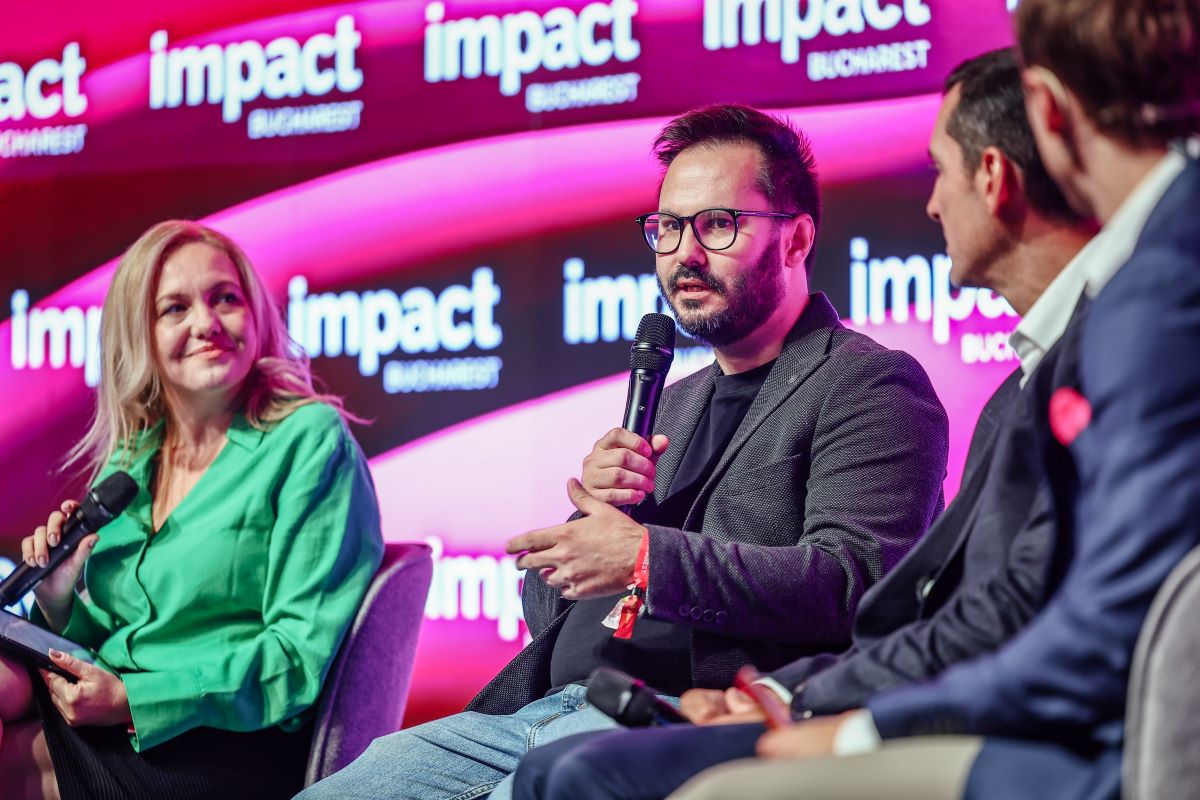
Recycllux: A Platform for Combating Marine Plastic Pollution
Recycllux is a Romanian startup that is addressing the global issue of marine plastic pollution through an innovative platform. The company connects businesses looking to offset their plastic footprint with local cleanup efforts, leveraging technology and collaboration to make a meaningful impact.
The Scale of the Problem
According to UN data, more than 10 million tonnes of plastic end up in lakes, rivers, and seas annually. As awareness of this environmental crisis grows, so do the regulatory measures aimed at reducing plastic waste. For companies, this means navigating stricter sustainability reporting standards and finding ways to comply with new norms.
Recycllux has developed a platform that uses advanced technology to identify areas of plastic accumulation at sea using satellite data. The platform then matches these areas with local cleanup resources such as fishing vessels, coastal NGOs, recyclers, repurposing partners, and even schools through waste-to-art contests.
The process is tracked on blockchain, ensuring transparency and providing companies with real-time KPIs such as collected volumes, plastic types, CO₂ savings, and recycling rates. This allows businesses to quantify their plastic offsetting efforts and integrate the data into their compliance and sustainability reporting.
Funding and Expansion
The platform’s development has been supported by various grants and partnerships. Recycllux received USD 125,000 in grant funding from the Social Tides GrowAI Accelerator, USD 25,000 in Google Cloud credits, and EUR 110,000 in in-kind support from the InnoNext program. With previous funding, the total support now reaches nearly EUR 400,000, enabling the company to expand its team and move from prototype to full-scale platform ready for pilot deployment.
The startup recently launched its first cleanup intervention in Constanța, on the Romanian Black Sea coast. It is also preparing to establish a subsidiary in Malta to expand operations to the Mediterranean Sea.
The Journey from Idea to Implementation
Sorina Uleia, founder and CEO of Recycllux, shared the story behind the company. After leaving the corporate world, she focused on innovation through her work with the European Commission and the European Institute of Innovation and Technology. A personal experience at the seaside with her children sparked the idea for Recycllux.
The initial challenge was securing funding, but Uleia’s decision to invest her earnings from a previous startup allowed her to take the leap of faith. Building the platform required coordinating an entire ecosystem involving fishermen, NGOs, recyclers, and repurposing partners.
Uleia emphasized the importance of building local ecosystems step by step, leveraging existing infrastructure to reduce CO2 emissions and generate benefits for communities. The model is scalable and sustainable, with the company expanding towards the Mediterranean.
Monetization and Market Strategy
Recycllux monetizes its platform by serving companies that use plastic in their products or packaging. These companies often have Extended Producer Responsibility (EPR) obligations or want to take concrete sustainability actions. The platform provides measurable KPIs, allowing companies to fund specific interventions and receive transparent reports on the impact of their contributions.
Initially, the model was based on a price per tonne of plastic collected, but a subscription model was introduced to make it more accessible. Companies contribute according to their size and offsetting needs, with their contributions aggregated into a common pool that funds cleanup interventions.
The company currently focuses on the European market, aiming to reach 5,000 cleanup interventions and generate around EUR 50 million in revenues within five years.
Logistics and Partnerships
The logistics of carrying out interventions involve coordinating with local partner NGOs, who manage operations on the ground. For example, in Romania, Recycllux works with Mare Nostrum, which organizes and oversees each intervention.
The company is replicating this model in other regions, such as Malta and Tunisia, by establishing partnerships with key local NGOs. These partnerships serve as anchors for the ecosystem, ensuring the success of cleanup efforts.
Future Plans and Funding
Recycllux is looking to expand beyond Europe, particularly to North Africa, given its proximity to Malta and shared challenges across the Mediterranean. However, the U.S. market is not a current focus due to less favorable policy conditions.
The company plans to open a seed funding round following the success of its pilot projects, aiming to attract investors who share its vision and can help scale its impact. Discussions with three potential investors are already underway, with plans to officially launch the round by the end of the year.
Challenges and Reflections
Uleia reflected on the challenges faced, including being from Romania and being a woman in the startup world. While Romania has a growing startup ecosystem, the lack of dedicated climate or impact venture capital funds posed a challenge. She had to look beyond Romania to connect with climate and impact investors.
Recycllux’s journey highlights the importance of innovation, collaboration, and perseverance in tackling one of the most pressing environmental issues of our time.


