Hong Kong’s Strategic Shift Toward Yuan Internationalization
As Hong Kong prepares to unveil its first five-year blueprint, the city is focusing on strengthening its position as an international financial center. Experts emphasize that a more robust financial landscape for Hong Kong will require significant efforts in yuan internationalization, commodity trading infrastructure, and fintech innovation.
The recent launch of the first offshore Chinese government yuan-denominated bond futures contract on August 3 marked a pivotal moment for Hong Kong’s financial markets. This development, supported by cross-border policies, highlights Beijing’s commitment to elevating Hong Kong’s role as the largest offshore yuan trade-settlement market. The event underscores the city’s importance in facilitating the global use of the yuan.
Chief Executive John Lee Ka-chiu is set to present the city’s five-year plan, which aims to align with national development goals. A central theme of this plan is reimagining Hong Kong’s economy, finance, and trade. Analysts suggest that the city must do much more to enhance its status as an international financial center.
Experts like Kenny Shui Chi-wai, vice-president of Our Hong Kong Foundation think tank, stress that yuan globalisation is a critical component of Beijing’s mandate for Hong Kong. “Hong Kong connects China with the world – the city’s international financial centre status means a lot to the country,” he said. This connection is vital for supporting both mainland Chinese companies and local firms in raising funds through IPOs.
Hong Kong has maintained its position as a top IPO destination until June, when SpaceX listed in New York. However, it remains a prime choice for mainland firms due to political barriers in the United States. At least 500 candidates are in the pipeline for the rest of the year.
Business magnate Allan Zeman noted that the Middle East war is accelerating the region’s wealth pivot to Hong Kong, alongside the trend of de-dollarisation. “Hong Kong’s importance … becomes not just a support for China; we now become a bridgehead,” he said. This shift could elevate Hong Kong’s standing to another level.
Managing Interest Rate Risks
While the mainland maintains a closed capital account, over 70% of global payments in the offshore yuan market pass through Hong Kong. With renminbi deposits exceeding 1 trillion yuan, the city holds the largest pool outside the mainland. The latest launch, the Chinese government’s first onshore sovereign bond futures contract available in an offshore market, provides a crucial tool for global investors to manage renminbi interest rate exposure.
Bond futures allow traders to buy or sell bonds at a fixed price on a specific future date. They are used to protect investments against changing interest rates or to speculate on bond price movements. The five-year Chinese government bond futures contract is traded on the Hong Kong stock exchange.
Mofiz Chan, chairman of the Hong Kong Securities and Futures Professionals Association, emphasized the growing need for investors to hedge interest rate risk. “Now, the government bond futures allow investors to hedge interest rate risk more efficiently without changing the structure of their underlying asset holdings,” he said. This enables more investors to hold renminbi-denominated government bonds.
Chan called for more renminbi-denominated products, including derivatives, to boost the yuan’s pricing power among international assets. He suggested launching an “IPO Connect” cross-border scheme to integrate primary markets and include real estate investment trusts (Reits) in the existing southbound Stock Connect share-trading programme.
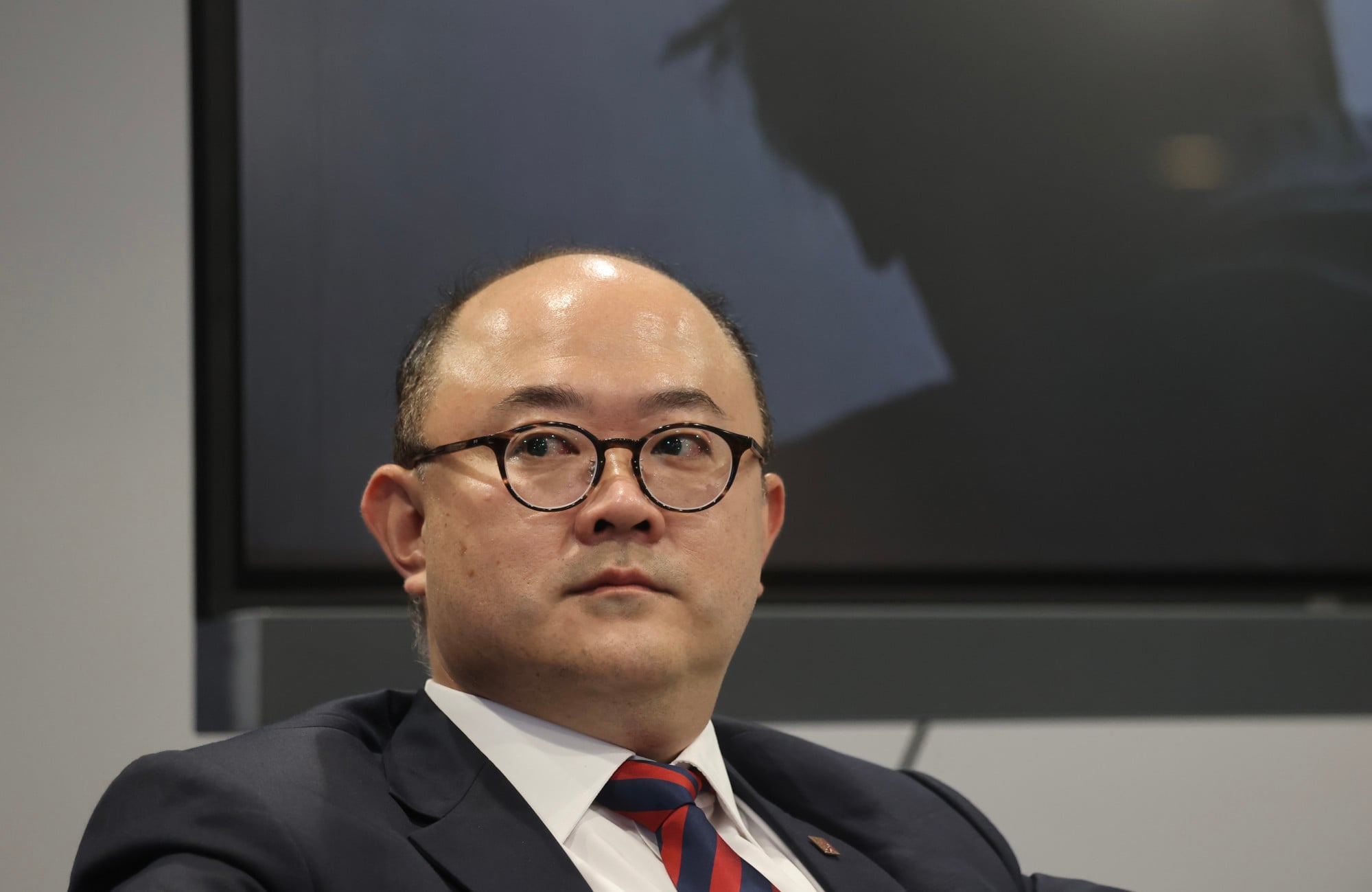
“If implemented, mainland investors can directly trade Hong Kong stocks using yuan, elevating the proportion of the currency used in cross-border securities investments,” Chan added. He also urged regulators to introduce block-trading mechanisms and resolve discrepancies in trading days between the mainland and Hong Kong.
Crucially, Chan argued that Hong Kong should act as a true booster for China’s new productive forces by developing intellectual property-backed bonds and tech enterprise bonds. He also urged the city to tap into the US$6 trillion Islamic finance market by issuing sukuk, or Islamic bonds, to fund domestic megaprojects such as the Northern Metropolis.
To unleash market vitality, Chan suggested that regulators must “tear down walls” by slashing prohibitive anti-money-laundering compliance costs that burden smaller brokerages. He also advocated for the adoption of the digital yuan in cross-border payments, in line with the recent commercial expansion of China’s Project mBridge platform.
Fintech Innovation and Global Ambitions
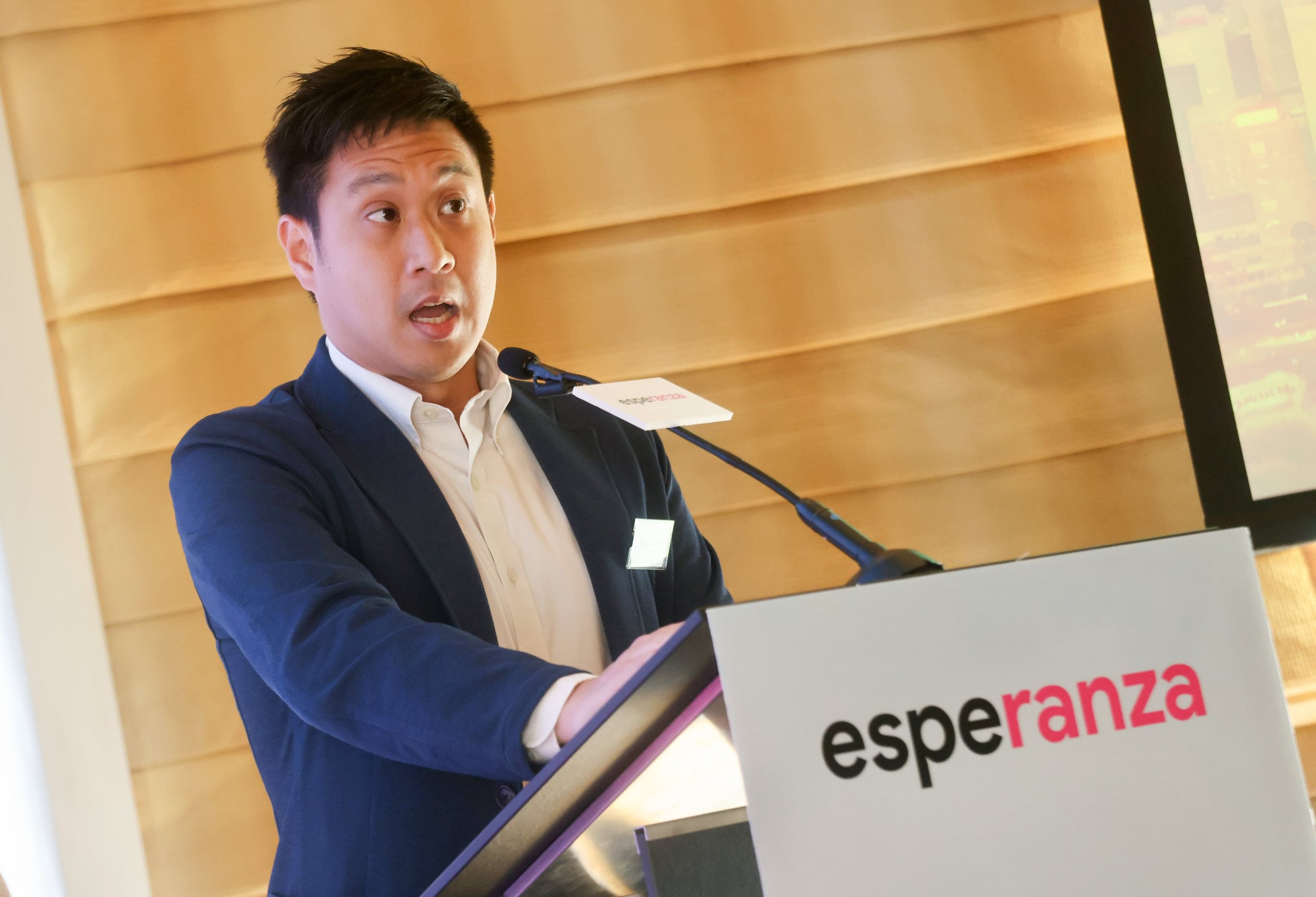
Dan Ronald Leung Wai-tsun, CEO of Esperanza Fintech Group, called on the government to clearly spell out its position in the five-year plan and adopt a new mentality towards fintech development. He questioned whether Hong Kong wanted to be a creator or a follower in technological trends. “Hong Kong needs to focus on helping China go global, especially during the time of deglobalisation of the US dollar,” he said.
Leung, a lawyer by profession, believed Hong Kong’s niche was in having an established common law regime, which could serve as a gatekeeper for mainland companies expanding abroad. “The Hong Kong government also needs younger leaders to bring in a new mentality and ideas,” he said, noting that Singapore was also chasing fast on fintech development.
In addition, a key pillar of the nation’s 15th five-year plan is the establishment of a physical commodities trading and storage ecosystem, including one for gold.
“Hong Kong should leverage the strengths of its internationalised financial market to address its shortcomings in physical delivery infrastructure,” Chan of the association said. “The goal is to establish Hong Kong as the pricing centre for gold in the Asian time zone.”
Wilson Chan Fung-cheung, a veteran banker and adjunct professor at City University’s College of Business, echoed the urgency of building that physical infrastructure. “If there is only an exchange without a storage location … settlement can only rely on net settlement,” he said. “But if we can have exchange settlement alongside physical warehousing in Hong Kong, it will increasingly encompass copper, aluminium, zinc and lead.”
Shui of the think tank highlighted that developing a commodity trading ecosystem in Hong Kong would benefit the city’s global financial centre status and the real economy. It involves trading, warehousing, processing and refining, logistics, insurance, and professional services.
Shui called on the government to add currencies from Asean countries and the Middle East to the city’s real-time gross settlement system. “This will minimise currency exchange costs and will boost mainland trade with these markets,” he said. He also stressed the need for a more diversified talent pool to tap into new markets.
Jun Yu Chan, a partner at Wings Capital Ventures, questioned why most of the city’s Exchange Fund was invested in US dollar-denominated assets. “Why don’t you allocate a little bit more to the local managers, which you have more control over?” he said. He suggested that the city take the regulatory lead in nascent sectors such as AI and cryptocurrencies by actively building functional use cases.
“You are not a follower of any international standard. You have to find your own path. You are making the rules for yourself, not for other people,” he said.