The Legacy of Pollution and the Struggle for Accountability in South Durban
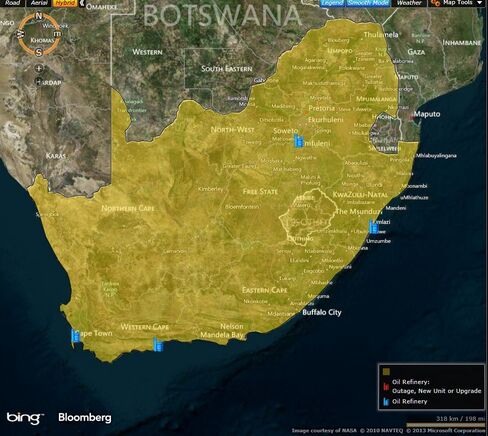
The sale of the South African Petroleum Refinery (Sapref) in 2024 to the Central Energy Fund, a government entity, for R1 (or six US cents), has raised serious concerns among environmental advocates. The refinery, located in the port city of Durban on South Africa’s east coast, has been operating for over six decades, leaving behind a trail of pollution and health hazards. Despite its sale, there is still no sign of any cleanup efforts being undertaken.
South Africa’s National Environmental Management Act (NEMA) is based on the “polluter must pay” principle, which requires those responsible for environmental damage to take steps to prevent, minimize, and rectify it. Section 28 of this law applies retroactively, meaning that BP and Shell, the former owners of Sapref, can still be held accountable for pollution they caused, even if it occurred years ago. This law also empowers the director-general of the department responsible for environmental affairs or provincial environmental authority to recover the costs of cleanup from both the polluter and the landowner, whether current or past.
In theory, the government has the power to issue a directive compelling BP and Shell to take specific steps to remediate the site. Alternatively, the government could fund the cleanup and then recover the costs from the polluters using section 28(8)(a) of NEMA. However, as of now, there is no indication that these measures are being pursued.
Communities at Risk
The communities of South Durban, particularly those living near the Sapref site, remain at risk due to the presence of hydrocarbons—compounds found in petrol that can harm human health and the environment when released. These compounds can persist in the environment for decades, even centuries. In 2004, hydrocarbon residues and soil contamination were identified at the Sapref site. Then, in March 2022, severe floods washed hydrocarbons out of the refinery and onto a nearby beach, highlighting the ongoing dangers posed by the site.
As an environmental sociologist who has researched the effects of oil refinery pollution on South Durban residents for 20 years, I have seen firsthand the long-term impacts of industrial activity on vulnerable communities. The South Durban Basin has long been the epicenter of South Africa’s petrochemical industry and environmental injustice. Residents here, and future generations, deserve the safe and healthy environment promised by South Africa’s constitution.
Historical Context and Health Impacts
For decades, the South Durban Basin has housed two refineries—Sapref and Engen—as well as several chemical factories, all situated alongside low-income communities such as Merebank, Wentworth, and Lamontville, as well as the more affluent Bluff suburb. The health problems stemming from this industrial activity include chronic exposure to toxic air from frequent fires, spills, and industrial accidents.
In 2015, residents launched a lawsuit demanding access to Sapref and Engen’s licenses after experiencing unusually high rates of asthma and other respiratory illnesses in South Durban. My research has involved speaking with residents who continue to live with the health impacts of this pollution.
Prabern Padayachee, who has lived in Merebank near the refinery for several decades, shared his perspective:
“The refinery may have shut its gates, but for us in Merebank, the impacts haven’t ended. We’re still living with the toxic legacy left behind, the smell, the health problems, the uncertainty of what’s in our soil and air. We have paid the price for the profits made by Sapref.”
Babu Haripersadh, a resident of the nearby Bluff community, added:
“Sapref has been sold, and BP and Shell have walked away from their responsibility. We, the residents, are left with the pollution and the mess. The least they can do is clean up properly and take responsibility for the harm they’ve caused—to our health, our environment, and our future generations.”
Challenges in Seeking Justice
For affected communities, litigation is expensive, lengthy, and technically demanding. Seeking justice often feels like an impossible fight against powerful corporations and an indifferent state. Bongani Mthembu, air quality, health, and senior project officer at the South Durban Community Environmental Alliance, noted:
“While we have not pursued any class action lawsuits to date, our organisation has been working closely with legal firms to obtain advice regarding the lack of access to crucial health and environmental data and other industrial activities. This is essential for holding polluters accountable and for understanding the full extent of the environmental and public health harms caused.”
The Need for Community Involvement and Accountability
The refinery may have changed hands, but this does not mean the polluters need not pay. The impact of the hydrocarbon pollution has not disappeared. What is urgently needed is a community health study to determine what kinds of pollution remain in South Durban and how this affects people living there.
The government should arrange medical support for those suffering long-term effects. Residents of the area previously called for the establishment of a community clinic equipped to deal with illnesses specifically caused by petrol refinery pollution, but this never happened.
Decisions about cleaning up the toxic land must include consultation with affected communities. Justice is not just about the cleanup operation; it’s about restoring dignity, health, and agency to those who have borne the costs of Sapref operations over the years.
Conclusion
The story of South Durban is ultimately about accountability: who profits, who pays, and who is left with environmental and health impacts. Until those responsible for decades of harm are held to account, injustice will remain.


