The Journey Through IVF: A Test of Hope, Science, and Resilience
After years of trying to conceive naturally, many couples reach a point where they decide to pursue in vitro fertilization (IVF). This decision often comes after a mix of emotional struggles, prayers, and the support of loved ones. While some hear stories of success, others face disappointment, but the hope for a different outcome keeps them going.
When the doctor explains the process—hormone injections, egg retrieval, embryo transfer, and the insertion of the embryo into the uterus—many patients listen carefully and agree to every step. Cost is rarely a primary concern at this stage, as the promise of a successful pregnancy feels worth any financial sacrifice.
The journey begins with a series of injections, scans, and strict adherence to medical instructions. The body feels unfamiliar, marked by fatigue, anxiety, and a deep sense of hope. Couples imagine the moment they will hear the words, “Congratulations! You’re pregnant.” After the embryos are transferred, they return home, lie down, and pray each night over their abdomen, waiting for the results.
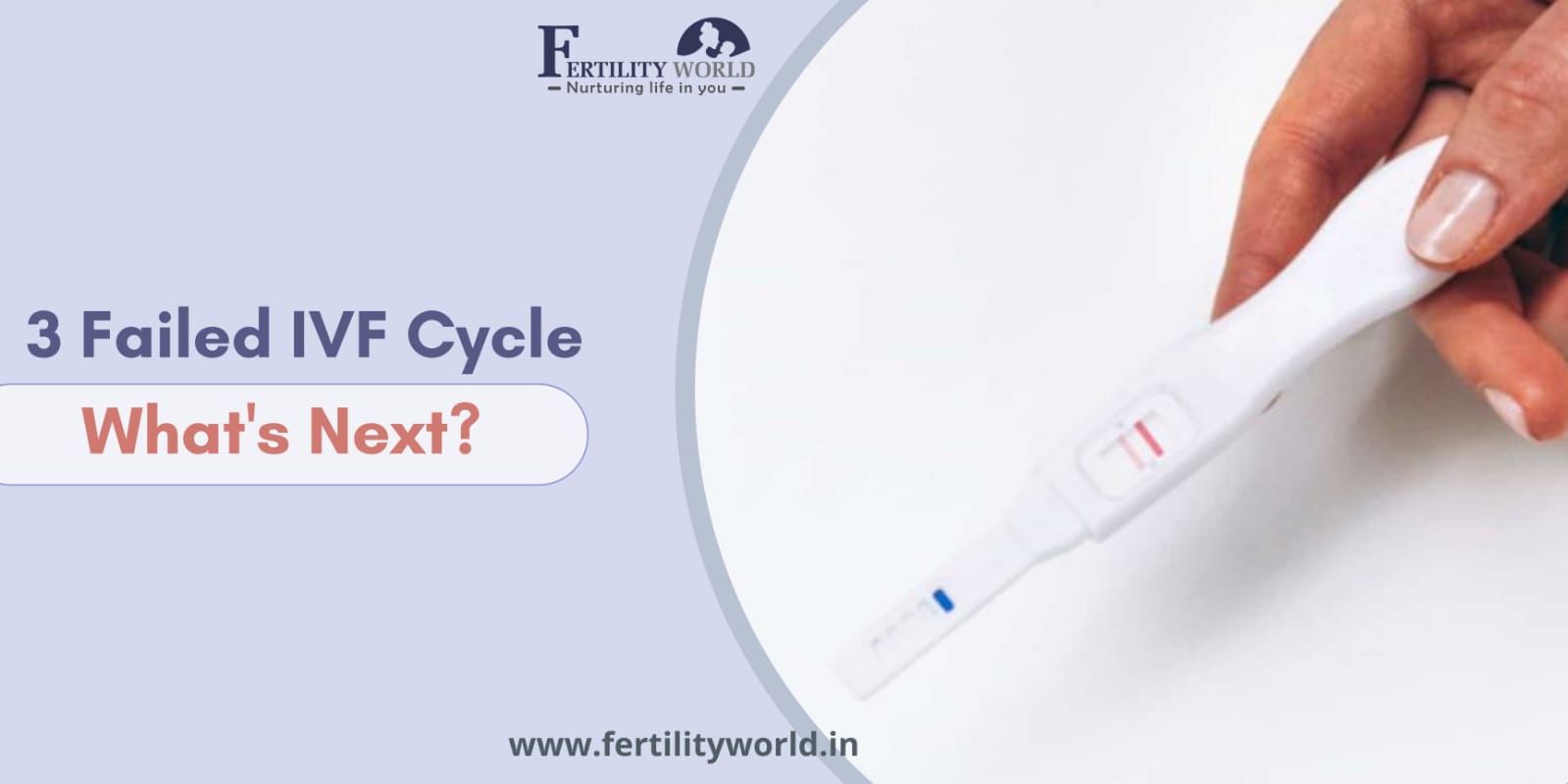
Two weeks later, the pregnancy test arrives. The result is negative. The initial shock is overwhelming, but the doctor reassures them that this is not the end. Many couples go through multiple cycles before achieving success, and each attempt offers new insights into how the body responds.
The Challenges of IVF
IVF is a complex procedure, and despite its scientific advancements, it doesn’t always work. Medical professionals explain that factors such as age, egg quality, hormonal imbalances, or even the partner’s sperm quality can affect the outcome. Sometimes, even a seemingly perfect embryo fails to implant, and science still has no clear answers.
For women over 35, the decline in egg supply makes the process more challenging. Conditions like fibroids, endometriosis, or hormonal imbalances further reduce the chances of success. Stress can also impact hormone levels, making the process even more unpredictable.
The cost of IVF is another significant barrier. Not all couples can afford multiple cycles, and public hospitals often have limited programs. Infertility is still a topic shrouded in stigma, seen as a personal failure rather than a medical condition. This lack of support and understanding adds to the emotional burden.
Emotional and Psychological Impact
The emotional toll of IVF is profound. Hormonal changes can lead to irritability, while the constant cycle of hope and fear leaves many feeling fragile. Friends and family may not fully understand the experience, offering advice like “calm down” or “have faith,” without recognizing the isolation that comes with repeated failures.
Emotional support is crucial during this time. Counselling helps individuals cope better, sleep better, and feel less alone. In cultures where motherhood is central to a woman’s identity, a failed IVF can feel like public humiliation. However, it’s important to remember that infertility is a widespread issue, with male factors accounting for nearly half of all cases.
The Power of Resilience
Despite the challenges, many find strength in the journey. Stories of those who succeeded after multiple attempts remind them that perseverance pays off. Each cycle brings new knowledge, allowing for adjustments in treatment, such as changing hormone dosages or using advanced techniques like preimplantation genetic testing.
With each return to the clinic, couples gain more confidence and control. They learn what to eat, what questions to ask, and how to protect their emotions from external pressures. Fear remains, but it no longer defines their hope.
A New Beginning
On the second attempt, the process feels smoother. The couple is calmer, more informed, and more prepared. When the clinic calls with the news, the relief is overwhelming. Tears of joy replace previous sorrow, and the journey becomes a testament to resilience.
Months later, holding a newborn in their arms, they realize that hope and science were never opposites. Together, they created something extraordinary. Even if the journey continues, they now understand that IVF is about more than just creating life—it’s about rediscovering belief in medicine, perseverance, and oneself.
Final Thoughts
As the next couple walks into the clinic, filled with questions and fears, the lessons learned from past experiences become invaluable. IVF may not guarantee success every time, but it stands as proof that science allows room for second chances. Sometimes, one more try is all it takes.


