Growing Expectations for South Korea-China Summit
As the Asia-Pacific Economic Cooperation (APEC) leaders’ meeting in Gyeongju approaches, anticipation is building for a potential summit between South Korea and China. Chinese President Xi Jinping is scheduled to attend the event, with initial reports suggesting he would also conduct a state visit. However, recent developments have cast doubt on the feasibility of such a high-level diplomatic engagement.
The South Korean government had previously expressed enthusiasm for a state visit by President Xi, but recent cancellations by the Chinese Embassy in South Korea have raised questions about its realization. Analysts point to ongoing U.S.-China tensions and the Trump administration’s tariff pressures on South Korea as key factors that may have influenced this shift in plans.
Historical Context: The Dresden Declaration and Its Aftermath
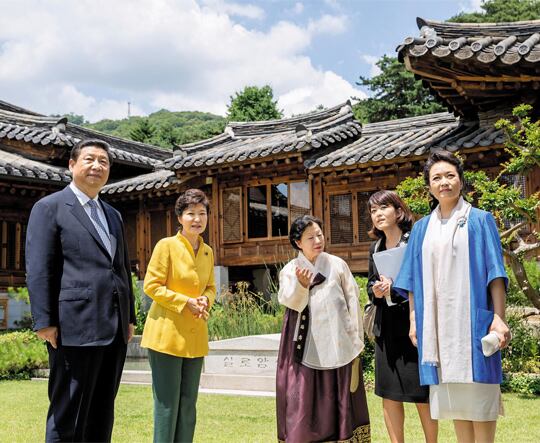
The 2014 visit by President Xi marked a significant moment in South Korea-China relations, particularly in light of the “Dresden Declaration” issued by then-President Park Geun-hye. This declaration outlined a vision for Korean Peninsula unification, emphasizing humanitarian cooperation, infrastructure development, and cultural exchanges. It was seen as a strategic move to strengthen inter-Korean dialogue during a period of heightened tensions.
North Korea strongly opposed the declaration, viewing it as an attempt to undermine its regime. In response, the Park Geun-hye administration sought support from China, requesting that President Xi reference the declaration during their summit. Surprisingly, the Chinese government included a statement in the joint declaration acknowledging South Korea’s efforts to promote peace and unification.
Key Outcomes of the 2014 Summit
One of the most notable achievements of the 2014 summit was the signing of the South Korea-China Free Trade Agreement (FTA). This agreement was expected to bring substantial economic benefits, including increased trade and investment. Analysts projected that South Korea’s GDP could rise by up to 3% within a decade, while Chinese exports of agricultural products would see a boost.
In addition to the FTA, the two nations addressed maritime boundary negotiations in the West Sea (Yellow Sea). Presidents Park and Xi agreed to resume talks on defining exclusive economic zones (EEZ), aiming to resolve long-standing disputes over jurisdiction and illegal fishing activities.
Controversial Speech at Seoul National University
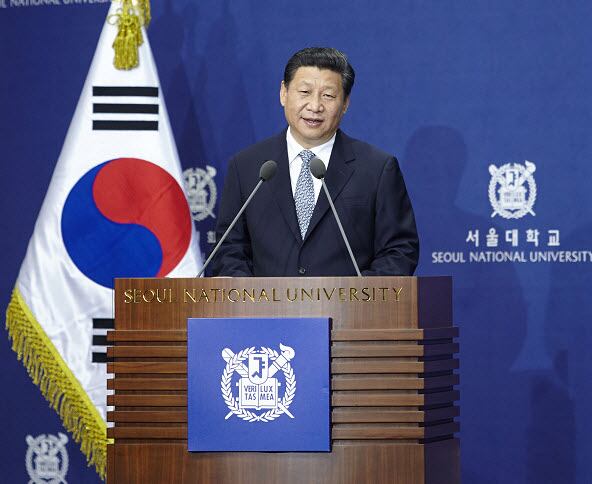
President Xi’s 2014 visit to South Korea was not without controversy. His speech at Seoul National University drew significant attention, particularly for its historical references. While emphasizing shared struggles against Japanese militarism during the Imjin War, Xi omitted mention of the Byeongja Horan, a historical event that had devastated Joseon.
This omission sparked criticism from South Korean intellectuals, who argued that Xi’s understanding of history was incomplete. A high-ranking official from Cheong Wa Dae reportedly criticized the speech, highlighting the need for a more balanced historical perspective.
Reflections on History and Diplomacy
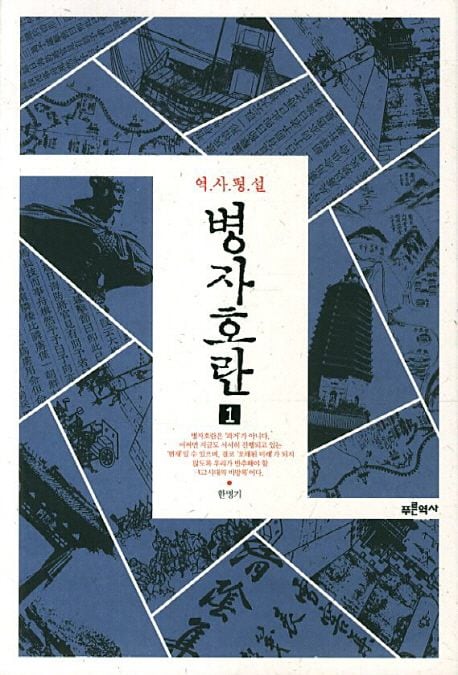
The incident underscored the complexities of historical narratives in diplomacy. Professor Myeong-gi Han’s book Historical Commentary on the Byeongja Horan became a focal point for discussions on the need for a comprehensive understanding of shared history. The book highlighted the devastating consequences of the Qing invasion, offering a stark contrast to the narrative emphasized by President Xi.
As expectations grow for a potential state visit by President Xi, his remarks will be closely scrutinized. The historical context of South Korea-China relations continues to shape diplomatic interactions, with both nations navigating the delicate balance between cooperation and historical sensitivity.
Additional Notes
-
President Xi’s Three Promises
During his lecture at Seoul National University, President Xi made three promises: to safeguard peace, promote cooperation, and humbly learn. Eleven years later, the question remains whether these commitments have been fulfilled. -
Kim Jong-un’s Courtship of China
As the 2014 summit approached, North Korea took steps to reinforce its relationship with China. Kim Jong-un, then a rising figure in the Workers’ Party of Korea, aired documentaries highlighting the historical ties between North Korea and China. These efforts were interpreted as part of a broader strategy to strengthen diplomatic ties and assert regional influence.


Related posts:

Mother Suffers Daily Allergic Attacks After Drinking Contaminated Coffee Syrup


Challenges of Climate Change in Africa and Lessons from China’s Green Revolution

Senate joint committee finally holds hearing on Ivanhoe deal

True measure of leadership lies not in power, privilege, pageantry – Tinubu at book presentation