The Elephant Ivory Dilemma in Zimbabwe
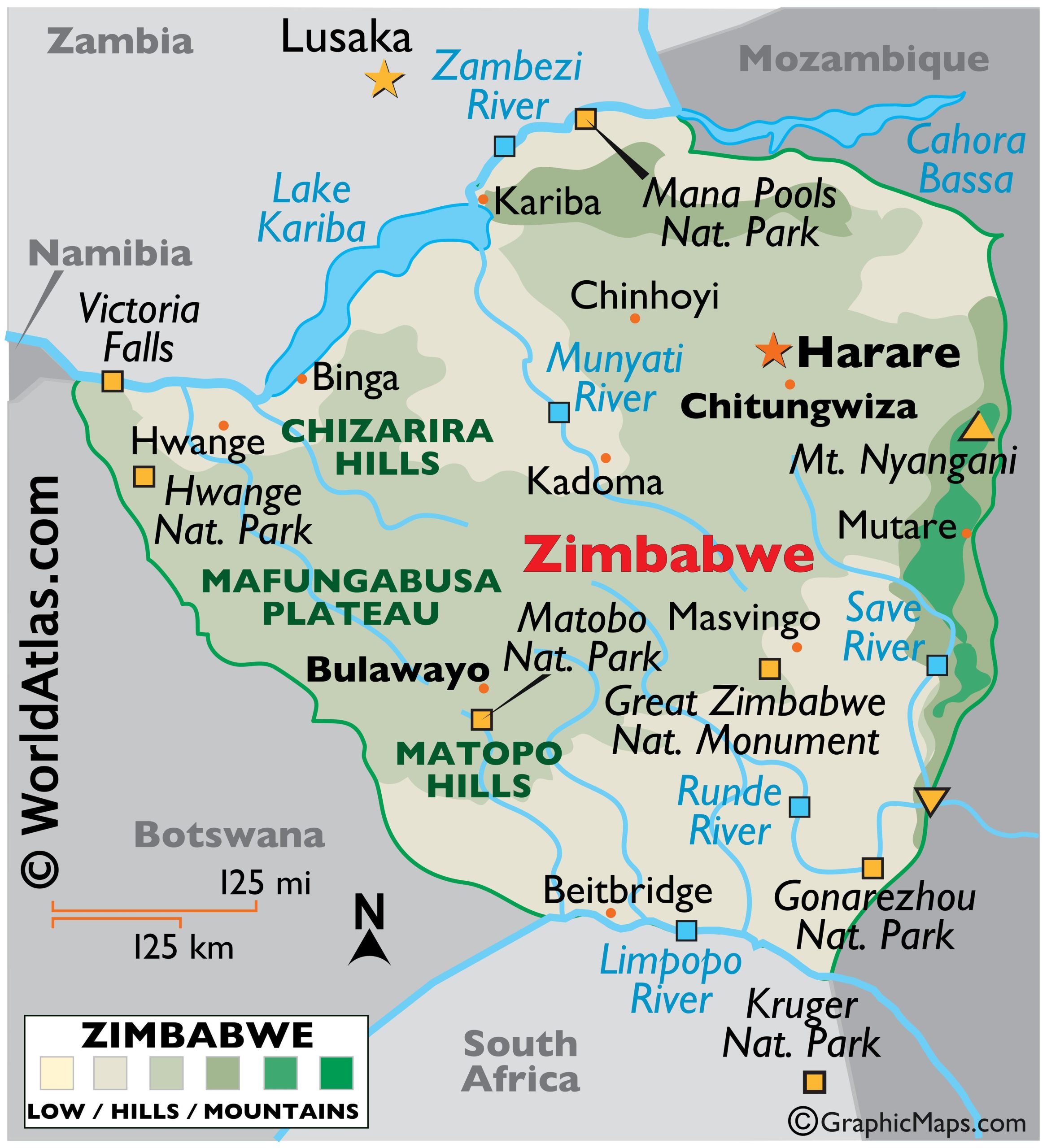
Zimbabwe faces a complex challenge with its vast stockpile of elephant ivory, which has become a focal point of debate between conservationists, local communities, and international wildlife policies. The country holds over 120 metric tons of ivory in a vault in Harare, valued at an estimated $700 million according to government figures. However, this valuation is contested by conservation advocates who argue that the actual market value may be significantly lower.
Every year, Zimbabwe spends nearly half a million U.S. dollars to protect this stockpile, a cost that has grown increasingly burdensome as the country struggles with economic challenges. Despite the financial strain, the sale of ivory remains illegal under the Convention on International Trade in Endangered Species of Wild Fauna and Flora (CITES), which banned the trade in 1989 due to concerns about poaching.
The ban was implemented when African elephant populations were declining, but today, Zimbabwe’s elephant numbers have surged. In 1900, the country likely had no more than 4,000 elephants, but by 2014, the population had grown over twentyfold, making Zimbabwe home to the second-largest savanna elephant population in the world after Botswana. This growth has created new challenges for wildlife management and conservation efforts.
Financial Struggles and Conservation Needs
Zimbabwe’s National Parks and Wildlife Management Authority (Zimparks) is responsible for managing the country’s wildlife, including the growing elephant population. However, the authority operates on a budget of about $35 million annually, with a deficit of around $10 million each year. This financial shortfall has made it difficult to maintain adequate resources for conservation and anti-poaching efforts.
Zimparks generates income from park entry fees, hunting licenses, and other sources, but these funds are often insufficient to cover the costs of maintaining the ivory stockpile. Every year, the authority spends approximately $500,000 on the recovery, transport, and storage of elephant tusks. As the number of elephants increases, so does the volume of ivory, further straining the already limited resources.
Human-Wildlife Conflict
The rising elephant population has also led to increased human-wildlife conflict, particularly in rural areas where communities live near national parks. In Mbire district, for example, residents like Michael Dzomba describe the constant threat posed by elephants. Last November, Dzomba’s uncle was killed by an elephant while collecting poles near his home. Similar incidents have been reported across the region, with Zimparks receiving reports of 579 cases of human-wildlife conflict in the first quarter of this year alone, including 18 deaths and 32 injuries.
Local communities feel the pressure of these conflicts and argue that the ivory could be sold to generate revenue for better infrastructure, such as fencing national parks and improving safety measures. However, others, like Fidelis Chima of the Greater Hwange Residents Trust, warn that selling ivory could incentivize poaching and lead to further environmental degradation.
Diverging Perspectives on Ivory Sales
While some advocate for the sale of ivory to fund conservation and community development, others strongly oppose it. Wildlife activist Sharon Hoole believes that selling ivory would not benefit local communities or conservation efforts, arguing that “not one penny of that money will ever go to any villagers or any side of conservation.” She supports burning the stockpile, similar to Kenya’s 1989 ivory burn, as a way to send a strong message against poaching.
On the other hand, Emmanuel Koro, a journalist and wildlife conservation author, argues that the current policy of keeping ivory locked away is economically unjust. He believes that taxpayers should not bear the burden of financing conservation without any tangible benefits. Koro claims that the CITES ban has inadvertently fueled the very crisis it aims to prevent by creating demand for ivory and perpetuating the need for external funding.
Policy and Community Perspectives
Christina Hiller, a wildlife conservation research consultant at the University of Kent, calls for a reevaluation of CITES policies. She suggests that conservation strategies should be tailored to the beliefs and needs of local communities rather than being ideologically driven. “A policy should be in tune with the beliefs of land users,” she says, emphasizing that effective conservation requires collaboration and understanding.
For many locals, the issue is not just about policy but about survival. Reason Chitanha, who narrowly survived an elephant attack last year, questions why the sale of ivory is blocked when it could potentially help communities. “I fail to understand why someone can block the sale of ivory which can end up helping our communities,” she says.
Conclusion
As Zimbabwe continues to grapple with the challenges of elephant conservation, the debate over the sale of ivory remains unresolved. The country faces a delicate balance between protecting its wildlife and addressing the financial and social pressures of maintaining large elephant populations. While some see the ivory as a potential solution, others fear the risks of legalizing the trade. Ultimately, finding a sustainable path forward will require careful consideration of both ecological and human factors.


