Overview of Public Sector Union Activities and Taxpayer Funding
New data has revealed that nearly 15,000 public sector workers were granted paid leave to engage in trade union activities last year, including 3,000 NHS staff. This has resulted in over £90 million in taxpayer funds being used to support these activities across councils, schools, Whitehall departments, and the health service.
Of the more than 20,000 union representatives embedded in public bodies, 74% (14,976) received paid leave for union work. Shockingly, 2,258 of them spent more than half their working hours on union business, with nearly 1,000 dedicating their entire time to union causes. These activities included handing out leaflets and planning industrial action.
This arrangement, known as ‘facility time’, allows public sector workers to be paid while engaging in trade union activities. Critics argue that this has led to a situation where Labour has effectively allowed union ‘paymasters’ to take over many public bodies. Some organizations have allocated up to 15% of their wage bill for facility time.


The figures are expected to increase further after Labour weakened rules aimed at limiting ‘facility time’ in its Employment Rights Bill, which received Royal Assent in December.
NHS and Council Spending on Facility Time
The NHS spent nearly £19 million on facility time last year, a 10% increase from three years ago. Across more than 150 health trusts, 2,978 staff were given paid leave for union activities. This included 305 who spent more than half their working hours on union business and 172 who devoted their entire time to it instead of focusing on patient care.
Councils were the largest spenders on facility time, allocating £29.4 million last year. Over 3,000 council workers received at least some paid leave for union activities, with 631 spending more than half their working hours on union work and nearly 500 dedicating their entire time to it.



Whitehall departments also spent £13.8 million on facility time, an increase from £10.9 million three years ago. More than 3,600 civil servants received paid leave for union activities, with 1,065 spending over half their time on union business.
Criticisms and Concerns
Former Tory Health Secretary Steve Barclay criticized the situation, stating that NHS funds should focus on improving patient care rather than funding union campaigns. He pointed out that the current mismanagement is contributing to record-high taxes.
Sir Iain Duncan Smith accused the Labour government of being in cahoots with unions, suggesting that this will lead to worsening conditions. He argued that such policies are driving people away from the country and negatively impacting productivity.
John O’Connell of the TaxPayers’ Alliance expressed concern over the extent of union influence in the public sector, particularly within the NHS. He called for measures to reduce facility time and prevent staff from spending more than 50% of their hours on union work.



Impact of Strikes on Public Services
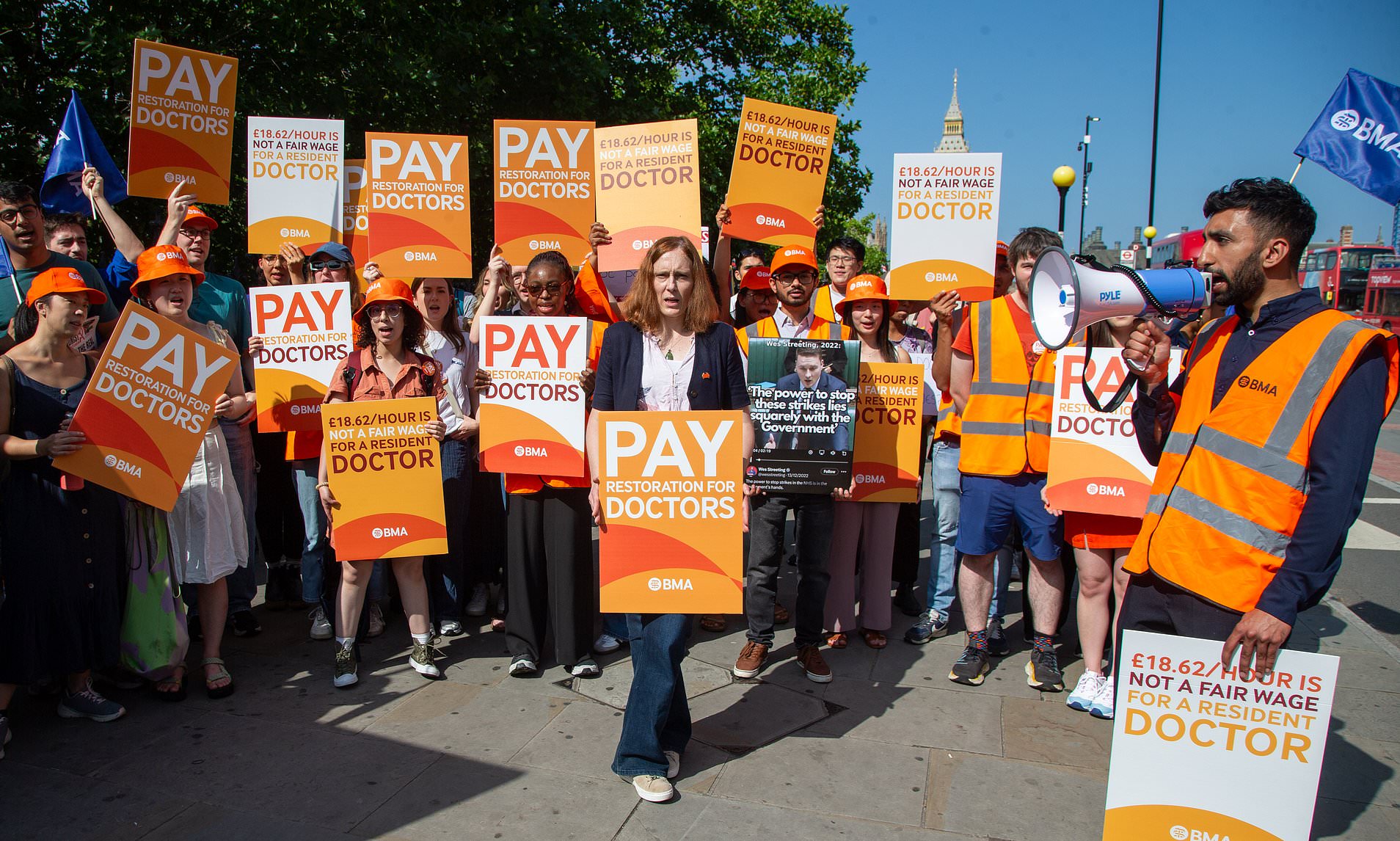
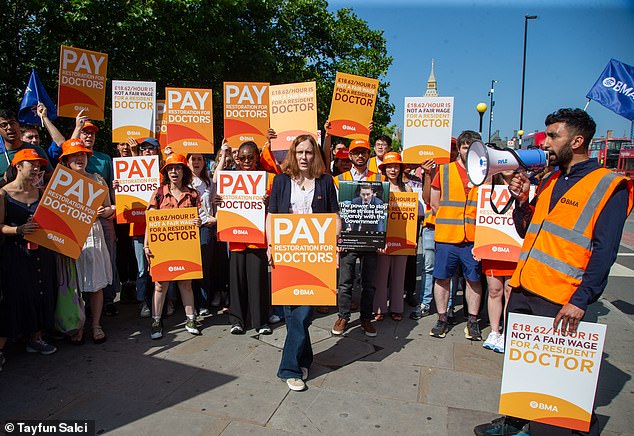
Health Secretary Wes Streeting admitted that recent resident doctors’ strikes, organized by the British Medical Association (BMA), have cost the NHS at least £250 million. Forecasts suggest this could reach over £1 billion if the strikes continue at the same frequency.
These strikes have led to the cancellation and rescheduling of hundreds of thousands of operations, worsening waiting lists at many hospitals. Resident doctors, or junior doctors, have voted for six more months of strike action, demanding another pay rise despite a previous 22.3% increase.
Bin collection strikes by the Unite union have continued to affect residents in Birmingham, while HMRC strikes orchestrated by the PCS union have caused delays in tax refunds and other services.
Changes in Legislation
Under Labour’s Employment Rights Bill, the requirement for public bodies to record the cost of facility time was scrapped. This means the latest figures may be the last full picture of how much taxpayers are spending on this issue.
The new law allows union reps to decide how to use ‘facility time’, giving them more time off to focus on union business. It also repeals the minimum 50% turnout required in strike ballots, making future industrial action easier.
Dr Tom Dolphin of the BMA defended facility time, calling it essential for a well-functioning workplace. He argued that it empowers union representatives to support colleagues, resolve disputes, and protect patient safety.
A government spokesperson stated that the UK is investing record levels in the NHS to reduce waiting lists and ensure patients receive timely care. They added that the costs associated with facility time are in line with previous years.
Case Study: Birmingham City Council
Analysis reveals that Birmingham City Council spent £1.1 million on facility time last year, with some of the funds linked to Unite union officials involved in bin strikes. This has led to residents facing higher council tax bills and ongoing issues with waste collection.
Facility time has cost the local authority £3.5 million over the past three years. Beyond Birmingham, town halls across the UK spent £29 million on facility time last year, with most planning to hike council tax bills by at least 5% from April this year.
More than 3,200 council staff spent at least some of their working hours on union business. The dispute over the role of waste recycling and collection officers continues, with the council claiming it must align with national standards, while Unite argues it would lead to significant pay cuts for workers.

Related posts:
From Madina Old Road to the marketing boardroom: This is Dinah Asabea Darko

My 33-Year Battle with Idumota Marketers: The Unfiltered Journey of Queen Oluwa

What Governments Must Do Before Transitioning to the 12-Year Compulsory Education Model – Analysts


Beyond the Bill: Can Nigeria’s States Forge Effective Police Forces?