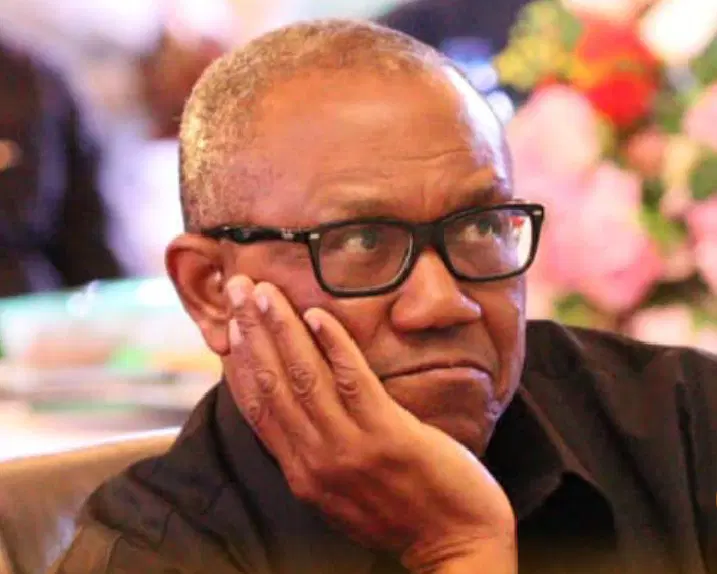
Political Crossroads for Peter Obi
As the race toward the 2027 general elections gains momentum, former presidential candidate Peter Obi finds himself at a critical juncture in his political career. Once a symbol of hope and inspiration for many Nigerians, Obi is now navigating a complex web of loyalty, alliances, and internal party conflicts.
The Labour Party (LP), which he helped elevate to national prominence during the 2023 election, has been grappling with internal divisions. The party, once seen as a beacon of change, is now fractured into competing factions. These include those loyal to the embattled national chairman Julius Abure, supporters of the Nigeria Labour Congress (NLC), and members of the ‘Obidient’ Movement, which consists of Obi’s most ardent followers.
The situation worsened after the LP’s March 2024 national convention, which was deemed non-compliant by the Independent National Electoral Commission (INEC). This has led to questions about the party’s stability and its ability to maintain the momentum Obi achieved during the previous election cycle.
New Alliances and Challenges
In response to these challenges, Obi has been engaging with opposition figures under the umbrella of the African Democratic Congress (ADC). This coalition, positioned as a ‘third force’ against the ruling All Progressives Congress (APC), includes prominent politicians such as former Vice President Atiku Abubakar. However, the ADC itself faces its own set of internal and structural issues.
Atiku has recently clarified that he remains committed to running for president in 2027, despite earlier speculation about stepping aside for a younger candidate. This development raises concerns about Obi’s potential role within the ADC, especially given the strong support from his Obidient Movement, which is primarily focused on having him as the presidential candidate rather than a vice-presidential nominee.
Obi is also rumored to be considering a return to his former party, the People’s Democratic Party (PDP). However, analysts suggest that this path is fraught with uncertainty, particularly with the possibility of former President Goodluck Jonathan re-entering the political scene. The overlap in their political demographics adds another layer of complexity to Obi’s decision-making process.
Commitment to the 2027 Election
Despite the uncertainties, Obi has reaffirmed his intention to contest the 2027 presidential election. He has stated that he believes he can significantly alter Nigeria’s trajectory if elected. According to Dr. Yunusa Tanko, the National Coordinator of the Obidient Movement and one of Obi’s spokespersons, the former presidential candidate remains committed to both the Labour Party and the broader coalition efforts.
Tanko emphasized that Obi’s commitment is not limited to any single political party but is rooted in individual principles and ideals. He also noted that Obi will announce his definitive political platform before the end of the year, with a decision on the political party expected by November or December.
Analyst Perspectives
Political analyst Jide Ojo suggests that Obi’s indecision may be a strategic move rather than confusion. Ojo believes that Obi and other opposition figures are waiting to see how legal and political developments unfold, particularly regarding the African Democratic Alliance (ADA) and its potential registration by INEC.
Ojo also pointed out that Obi’s personal dilemma involves navigating the influence of Atiku Abubakar. He noted that Obi is wary of being seen as a perpetual running mate and is concerned about the potential impact of Atiku’s financial and political power in any primary elections.
Regional and Structural Hurdles
Beyond internal politics, Ojo highlighted the regional and structural challenges Obi faces. Even if Obi reconciles with the Abure faction of the Labour Party, the damage done to trust between the two camps may prove difficult to overcome. Additionally, the analyst stressed the importance of the 2027 election for Obi, noting that it represents his “brightest window” to achieve his political goals.
Conclusion
Analysts believe that unless Obi can reconcile his movement with a stable party base and align with other key opposition figures, his 2027 ambitions may remain unfulfilled. However, his loyalists continue to view him as the most credible face of Nigeria’s opposition. As Tanko put it, Obi is seeking to ensure that all parties come together to work as a team to rescue Nigeria.


