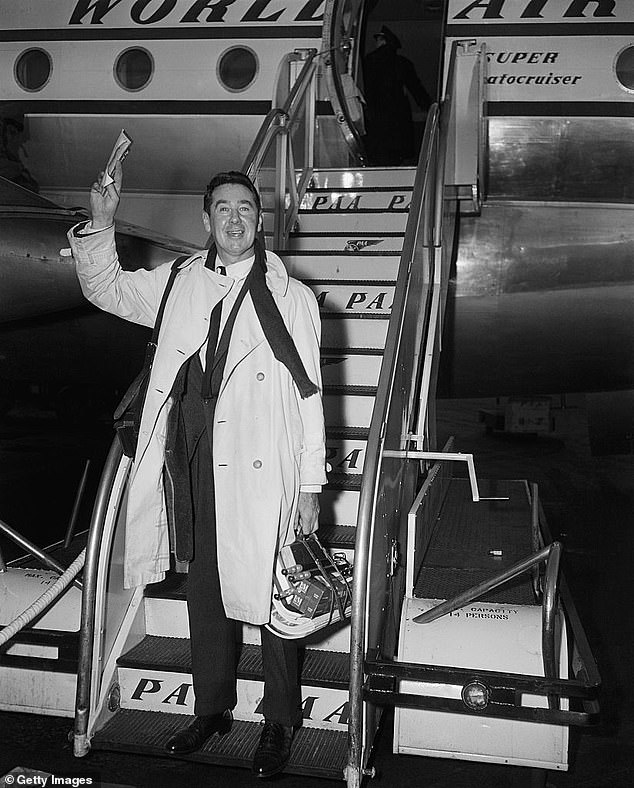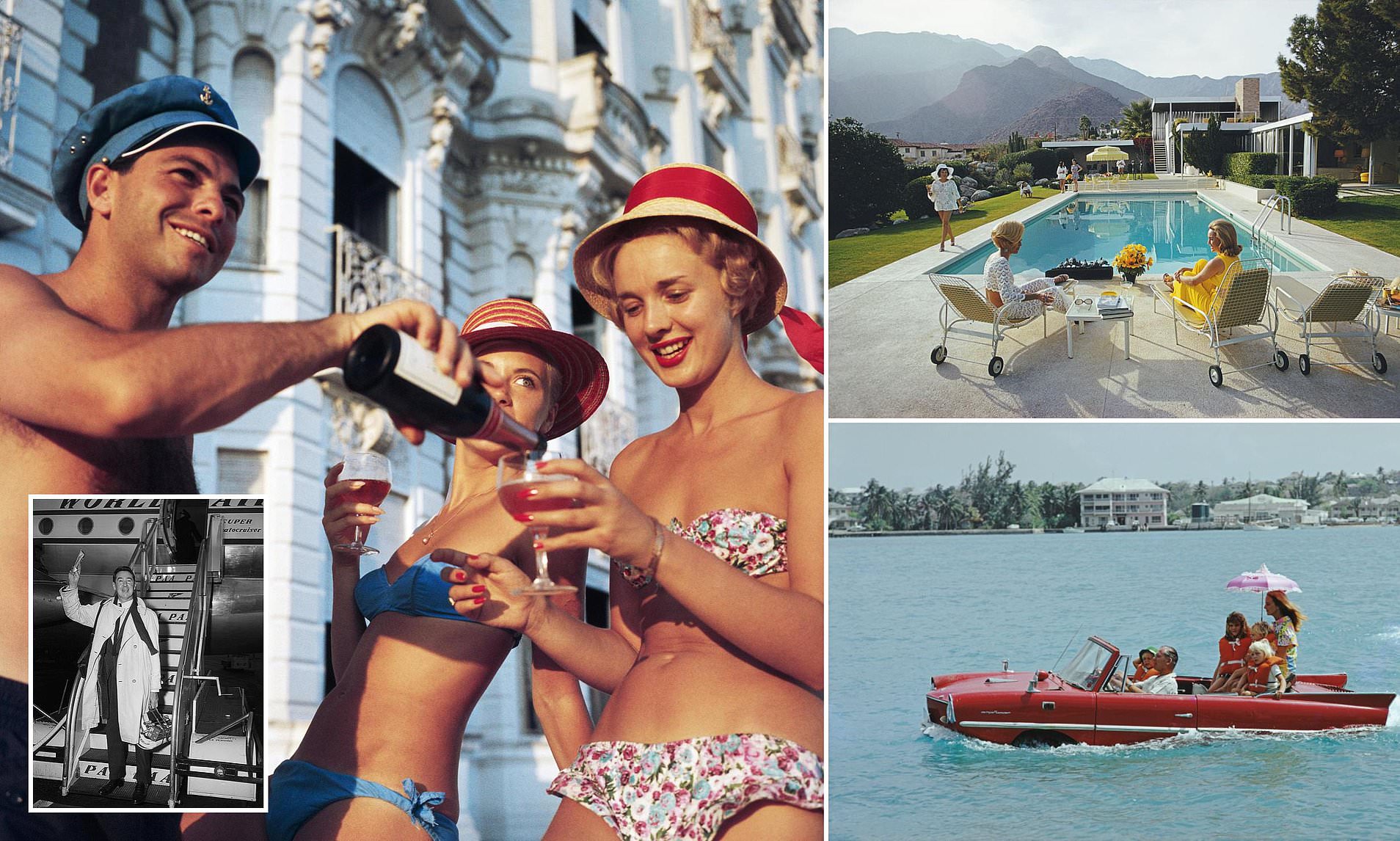
The Enigmatic Life and Legacy of Slim Aarons
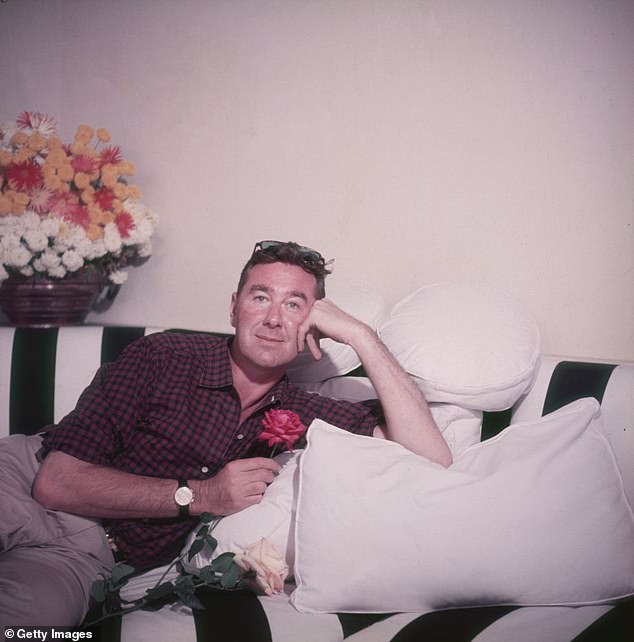
Slim Aarons is a name that might evoke memories of a photography book displayed on a friend’s coffee table, lyrics from a Lana Del Rey song, or a dreamy image of tanned limbs and glistening blue water in a hotel room. However, the truth is that much of his life remains shrouded in mystery. Unlike many artists, Aarons was never the subject of his work; instead, he was the keen eye behind an iconic genre of photography that captured the true glamor and luxury of high society from the 1950s to the 1990s.
Known for capturing the rich, famous, and beautiful, Aarons traveled with his muses and socialite subjects across the seasons as they vacationed in the Alps and Mediterranean. According to Shawn Waldron, a Getty curator and author of Slim Aarons: The Essential Collection, Aarons’s success stemmed from his undeniable charm. “He fell into the right circles in Hollywood and became friends with many actors and actresses. Hollywood directors loved him. He was an incredibly charming, down-to-earth person,” Waldron said.
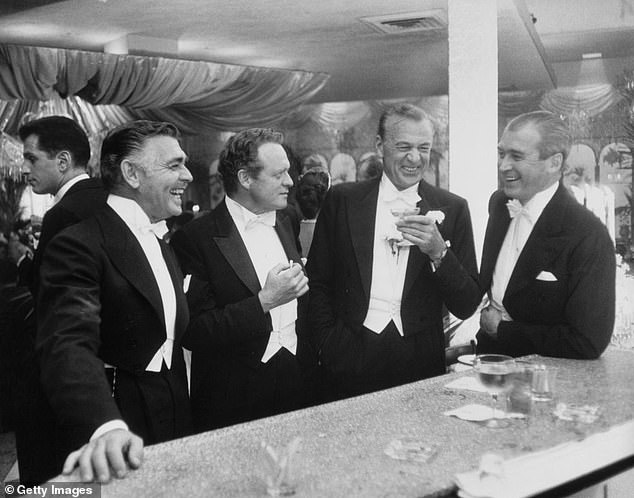
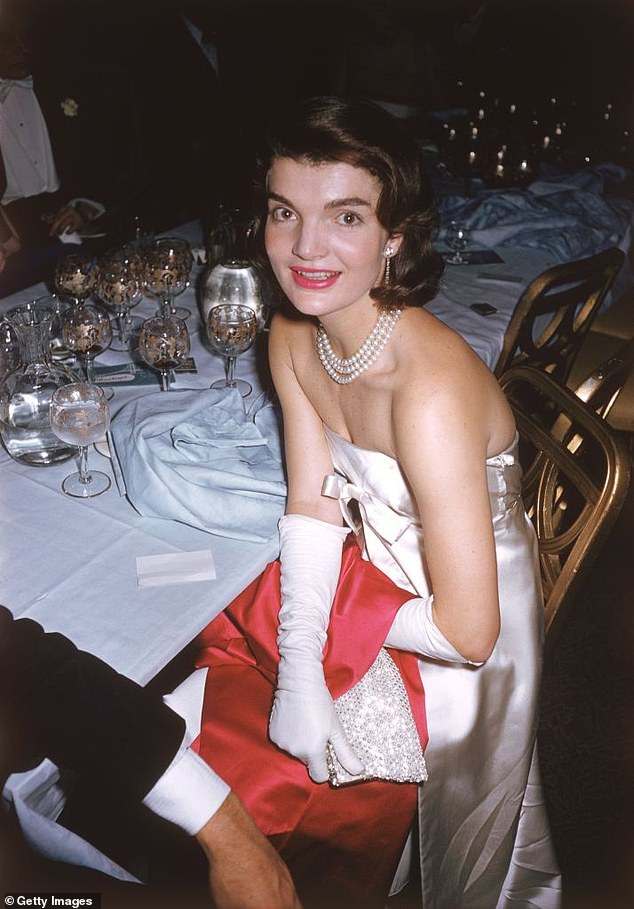
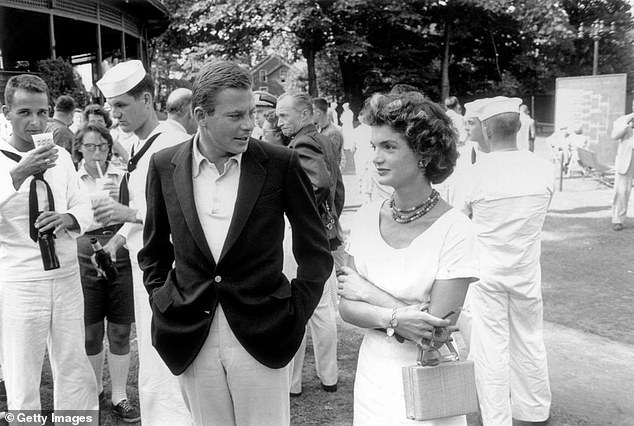
Aarons described his career as photographing attractive people doing attractive things in attractive places. His subjects included Hollywood stars, European royalty, models, and American politicians. One of his most notorious works is Kings of Hollywood, a photo featuring Clark Gable, Van Heflin, Gary Cooper, and James Stewart. He also captured Marilyn Monroe in her prime, posing in a silk red negligee with black lace trim, sitting on a couch sorting her fan mail in 1952. Another iconic shot is of Jackie Kennedy at the 1957 April in Paris Ball, which remains one of the most circulated pictures of the former First Lady.
A Life of Contrasts
Despite his glamorous image, Aarons’s early life was far from idyllic. Born George Allen Aarons on October 29, 1916, he grew up in a tenement on Manhattan’s Lower East Side, where his Yiddish-speaking immigrant parents lived. His mother was diagnosed with mental health issues and admitted to a psychiatric hospital when he was young, leading to him being passed around relatives. Aarons had no relationship with his father, and his brother Harry died by suicide, according to a 2016 documentary about his life titled Slim Aarons: The High Life.
At 18, Aarons enlisted in the US Army and later worked as a photographer at the US Military Academy. During World War II, he served as a combat photographer and earned a Purple Heart. After the war, his photography shifted from battlegrounds to beaches, marking the beginning of his legendary career. “He went into the war as George Aarons and came out as Slim Aarons, the famous photographer,” Waldron said. “It feels almost like Gatsby or Don Draper.”

Capturing the Glamour of the Elite
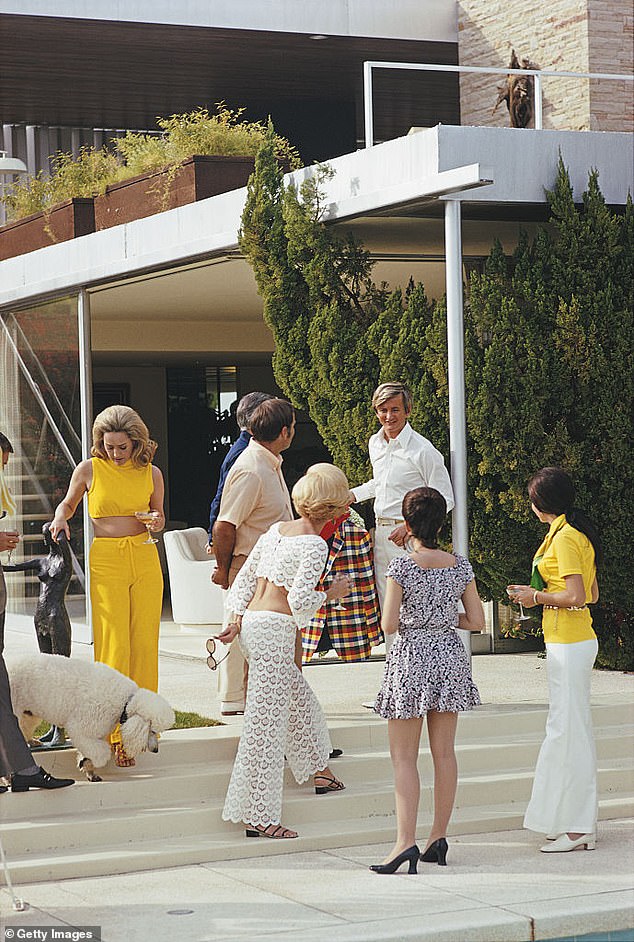
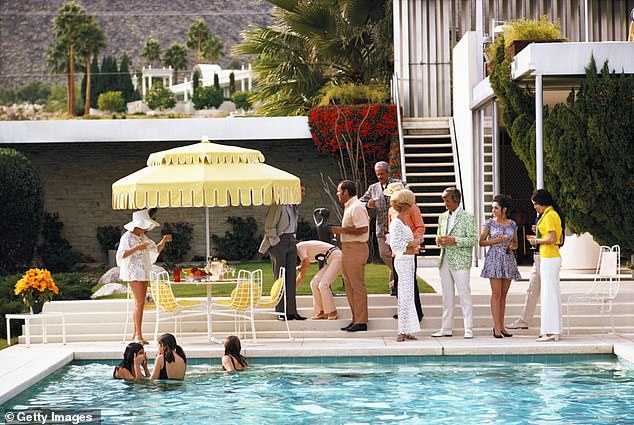
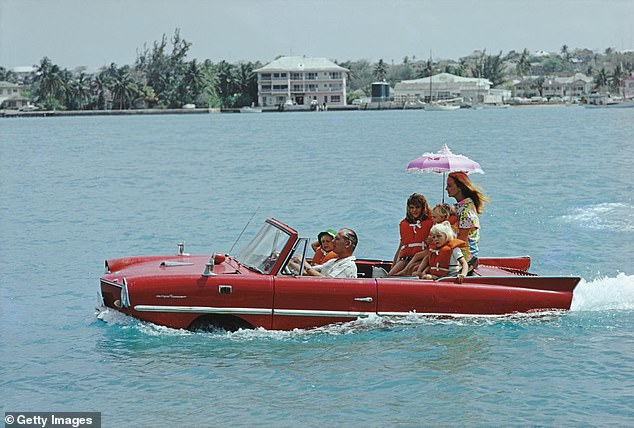
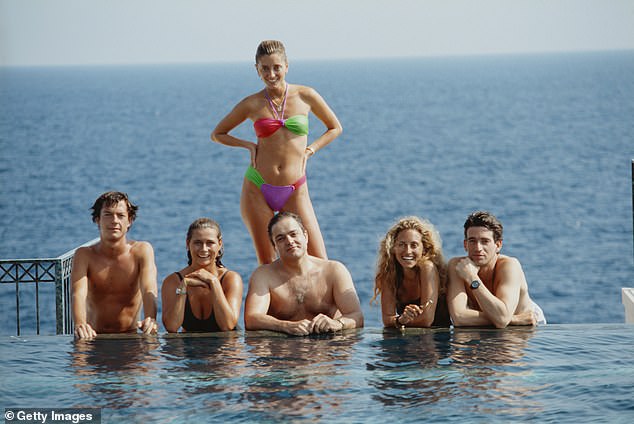
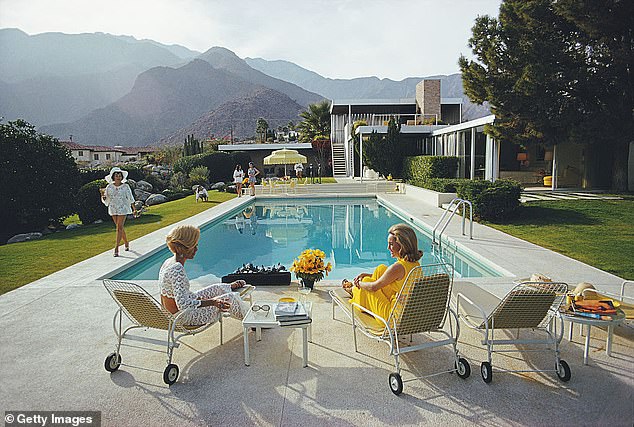
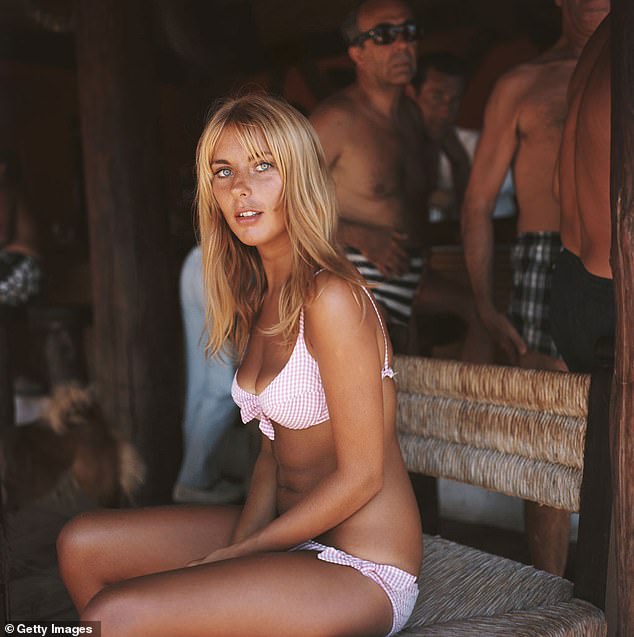
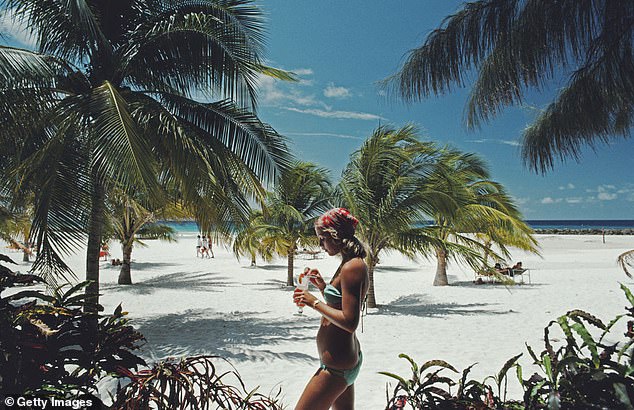
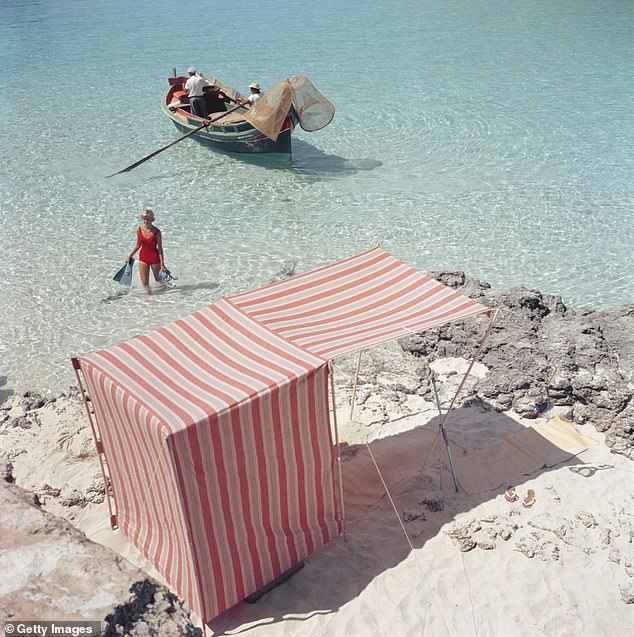
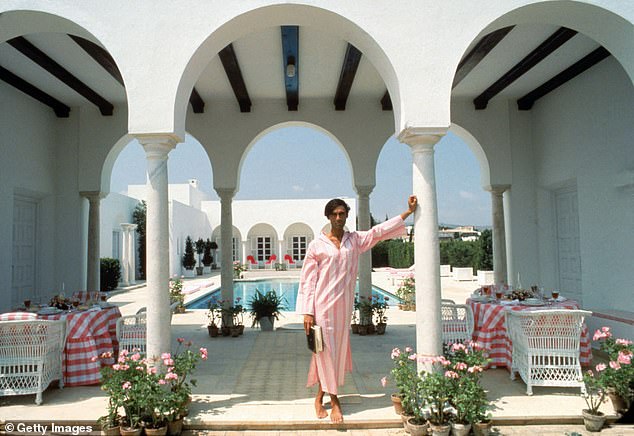
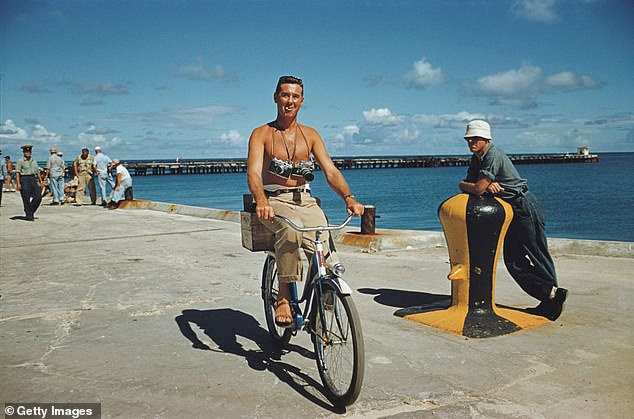
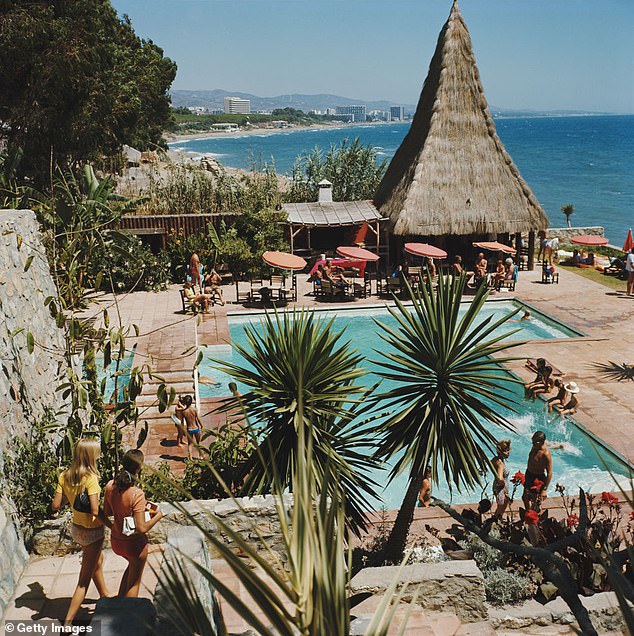
Moving to California, Aarons began photographing celebrities, and his subjects welcomed him into their world. “They would invite me to one of their parties because they knew I wouldn’t hurt them. I was one of them,” he once said. Waldron noted that Aarons’s secret was that he didn’t make his subjects look bad. His lens captured pools, parties, beaches, boats, mountains, and mansions, with his playgrounds spanning the globe in aesthetically stunning locations such as Beverly Hills, Palm Beach, Cannes, Haiti, and The Bahamas.
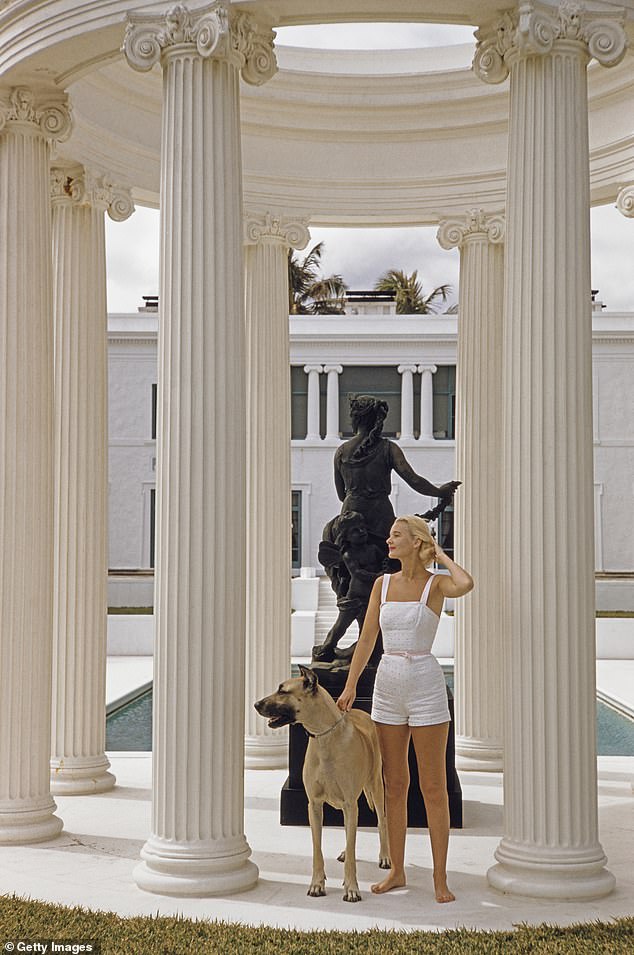
“He was an anthropologist with his camera,” says photographer Douglas Friedman. “He documented an entire era.” One of his most famous shots is of American socialite CZ Guest with a large Great Dane dog in 1955 at her Grecian temple pool on the ocean-front estate, Villa Artemis, in Palm Beach.
The Art of Simplicity
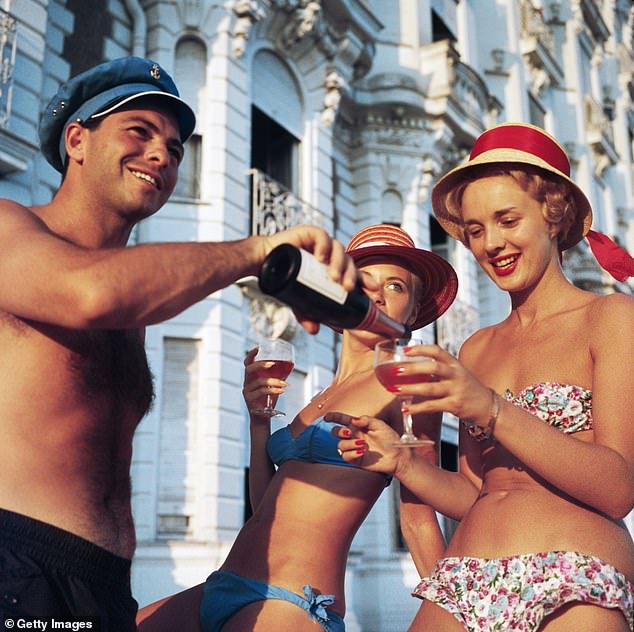
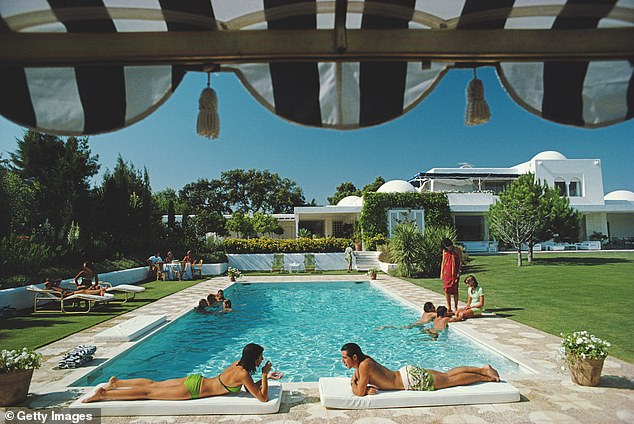
Many of Aarons’s photographs were set at the Carlton Hotel in Cannes, where he captured vacationers sipping champagne in swimsuits, waterskiing, and sunbathing on boats. His images filled glossy pages of popular magazines like Life, Holiday, Town & Country, Travel + Leisure, and Vanity Fair. The reason he fit in so seamlessly with the elite was because he didn’t make a fuss. There were no stylists or makeup artists—just Aarons lugging his own camera equipment and often working alone.
He preferred available light over flash and strobe equipment. “I prefer available light,” he said. Aarons would arrive early for his shoots and stay until martini time, ensuring his midday shots captured the brightness of peak sunlight and his sunset shots captured the enchanting hue of golden hour.
Intimate Moments and Lasting Influence
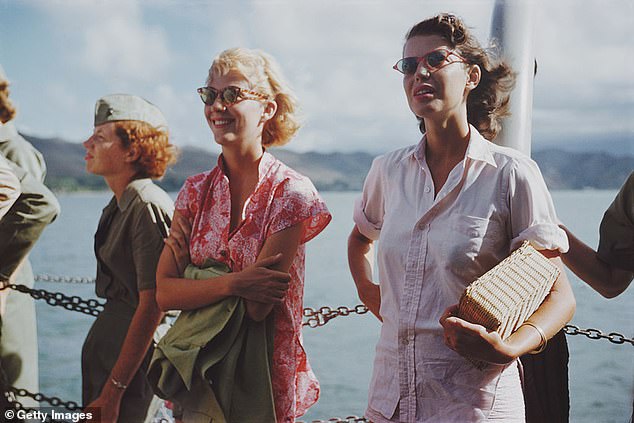
Because he assimilated into the daily routines of his high-society subjects, Aarons earned their trust and was invited into their most intimate settings—bedrooms, backyards, boats, and more. “He was very straightforward in his pictures,” Waldron said. “If you look at them, there’s no stylist, no makeup artists. He was mostly shooting people in their own homes, in their own clothes, driving their own cars or at their own clubs.”
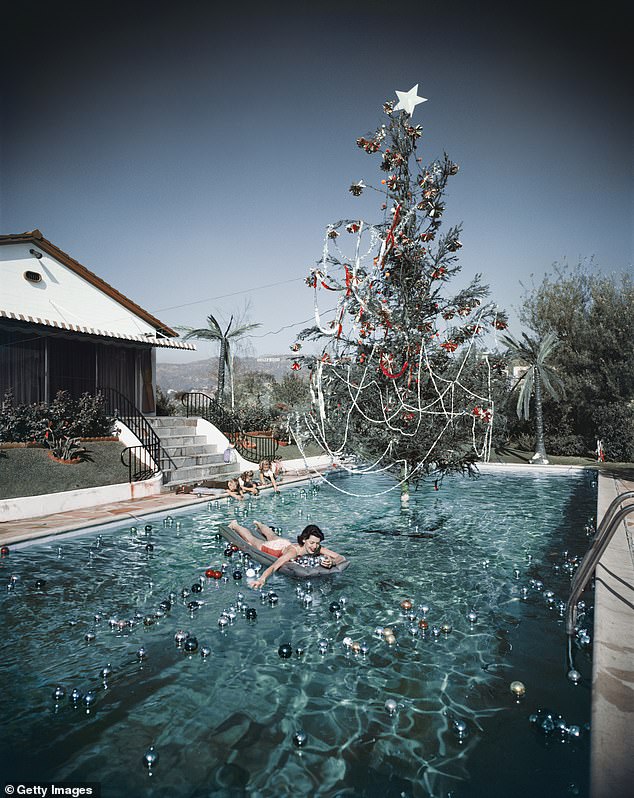
His wife Rita was one of his many muses. When he needed a splash of glamor in the shot, she would jump in the background wearing a bright red bathing suit. Rita was the subject of one of his most famous photos, taken in the Winter of 1954, capturing her relaxing on a lounger in a sprawling yard, floating amidst festive ornaments next to a Christmas tree towering over the pool.
A Legacy That Endures
Rita died in 2023 at the age of 92, 17 years after Aarons passed away due to complications from a heart attack and stroke. When asked about her father’s legacy, Mary Aarons, their daughter, said that when she looks at his photographs, she can’t believe they’re not contemporary. “Which came first, the chicken or the egg? Is contemporary fashion modeled after him, or is it just a matter of fact that the fashion and the looks in his photos look contemporary?” she told Palm Beach’s Palmer.
Waldron emphasized that Aarons’s lasting impact lies in the vibe he curated—something everyone now tries to emulate. “People love that easygoing, care-free, endless summer… the good life. That’s what people are trying to capture and recreate,” Waldron said.
Getty acquired Aarons’s entire archive in 1997, while he was still alive. Aarons died in 2006 at the age of 89. He struck a deal with Mark Getty just two years after the company was founded, and almost two decades later, Waldron is still plowing through Aaron’s iconic collection.