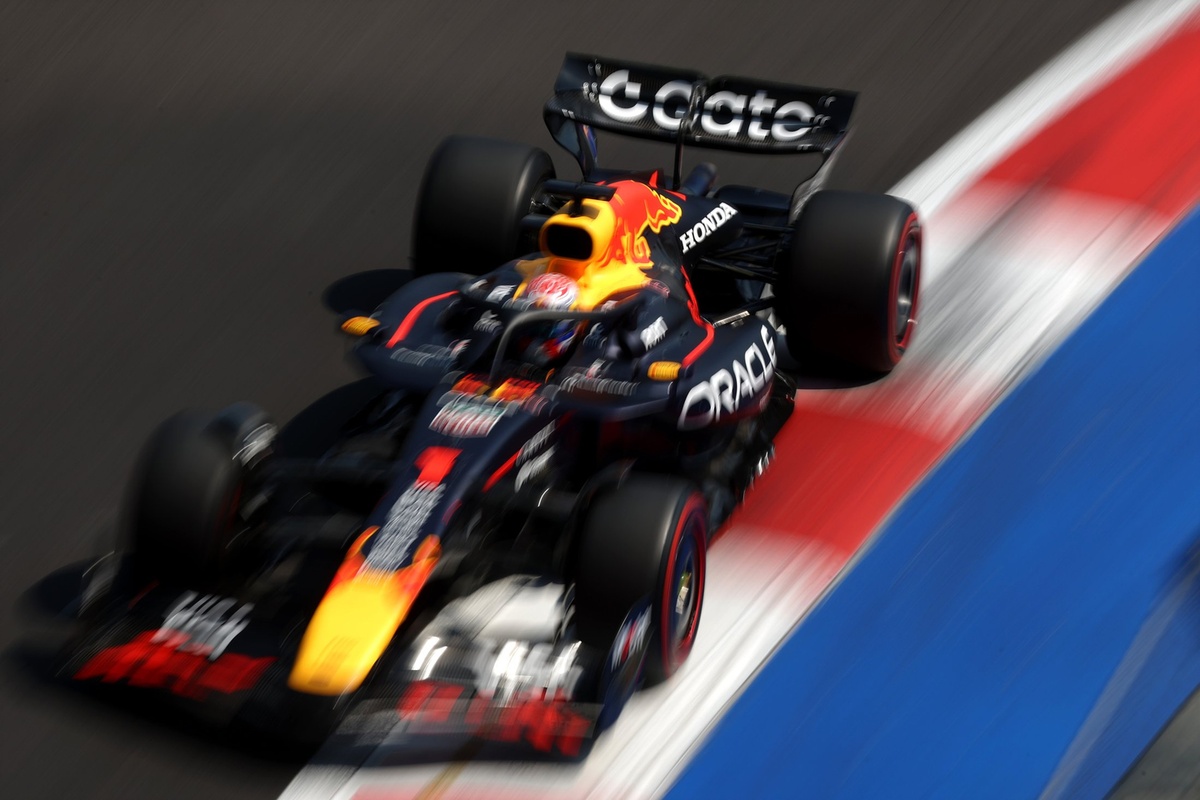
Max Verstappen Faces Challenges at Mexico GP
After a string of first and second-place finishes, Max Verstappen faced a more difficult challenge at the Mexico Grand Prix. Despite leading the timesheets on Friday, he quickly realized that the long runs were not performing as expected. “You’re not going to win like this,” he admitted. A day later, his prediction proved correct as he settled for fifth place in qualifying, stating that “nothing worked” with the RB21.
This situation aligns with the ongoing efforts to find a better setup direction between Friday and Saturday’s sessions. “You’re always working on that, of course. But yeah, we tried everything until qualifying and nothing really made it better,” Verstappen explained. While one setup direction gave him a slightly better feeling than another, the overall pace was still lacking.
Verstappen acknowledged that this performance contrasts with his past success at the track, where he has won five times. However, he pointed out that those results were from different times. “Last year things didn’t work, and that’s the last reference I have. And now things aren’t working again.”
Cooling Differences Between McLaren and Red Bull
The question arises: what exactly is Red Bull struggling with? As always, it’s a combination of factors, though McLaren team principal Andrea Stella offered a theory on Saturday evening.
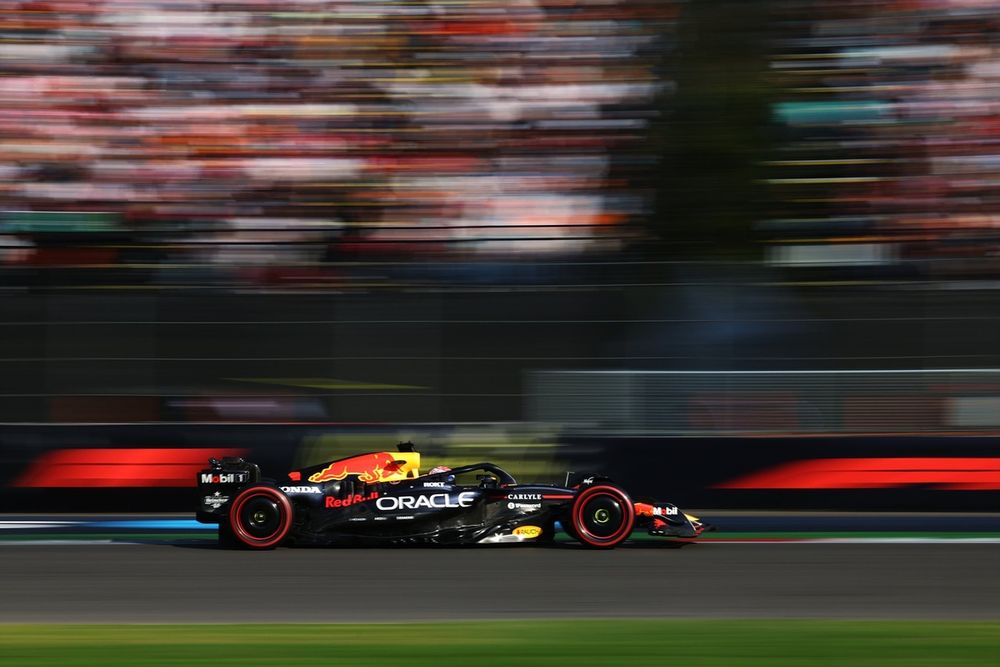
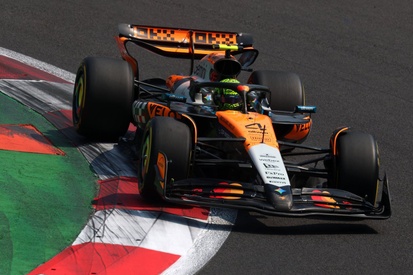
“This is a circuit in which the quality of your cooling system is important,” said the Italian. “If you need to compromise aerodynamics to achieve enough cooling, then the loss of aerodynamic efficiency can be quite rapid.” This highlights the fact that teams needing to open up their bodywork with additional cooling inlets face a trade-off in aerodynamic performance.
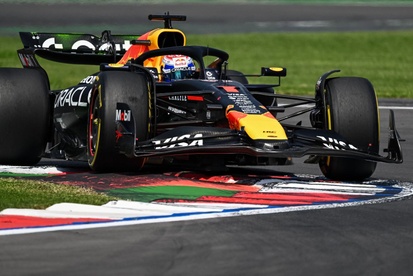
According to Stella, Red Bull is making greater compromises in this area compared to McLaren, which is visually apparent from the larger cooling openings on the RB21. “Here we see the return on the investments that we have done for the 2025 car on the cooling system itself, the engineering and the technology,” he added.
As a result, McLaren seems less dependent on additional openings in the bodywork, potentially giving them an advantage at venues like Mexico. Stella believes it’s at least one reason behind the difference in performance compared with recent weeks, although he remains cautious about drawing far-reaching conclusions for upcoming races. “Mexico is not a place, let’s say, to judge a car, because there could be a cooling implication that can determine the performance significantly.”
A Vicious Circle: Sliding and Tyres Overheating
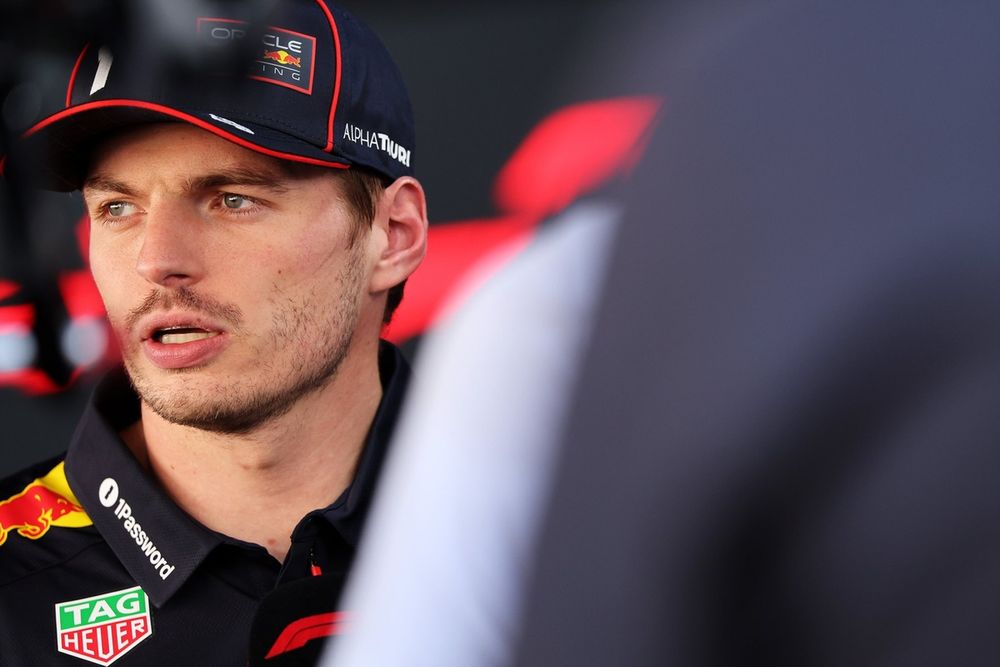
While cooling is a key factor in Mexico, Verstappen believes it’s not the most important reason for Red Bull’s struggles. During his Dutch media round in the paddock, the reigning world champion pointed to another issue—Pirelli tyres overheating.
“I think we haven’t been very good all season with the tyres overheating. And that’s actually quite a big problem here. At altitude, of course, you start sliding and then the tyres heat up a lot immediately. It doesn’t suit us, that’s very clear.”
This creates a self-reinforcing cycle. All drivers are running high-downforce wing levels, but due to the altitude, that still produces less downforce than in Monza. As a result, mechanical grip becomes more important, and it makes it easier for cars to start sliding. Once the car starts sliding, the tyres overheat, causing even more sliding and increasing overheating further.
Marko Admits: “We Went a Bit Too Extreme with Ride Height”
Finally, a third factor must be mentioned: ride height. Verstappen struggled particularly in the second sector, mainly through Turn 9, where he had several moments. Asked what was going wrong in the few high-speed corners of the Autodromo Hermanos Rodriguez, Verstappen replied: “Well, watch the onboard, turn up the volume, and you’ll hear what’s happening there.”
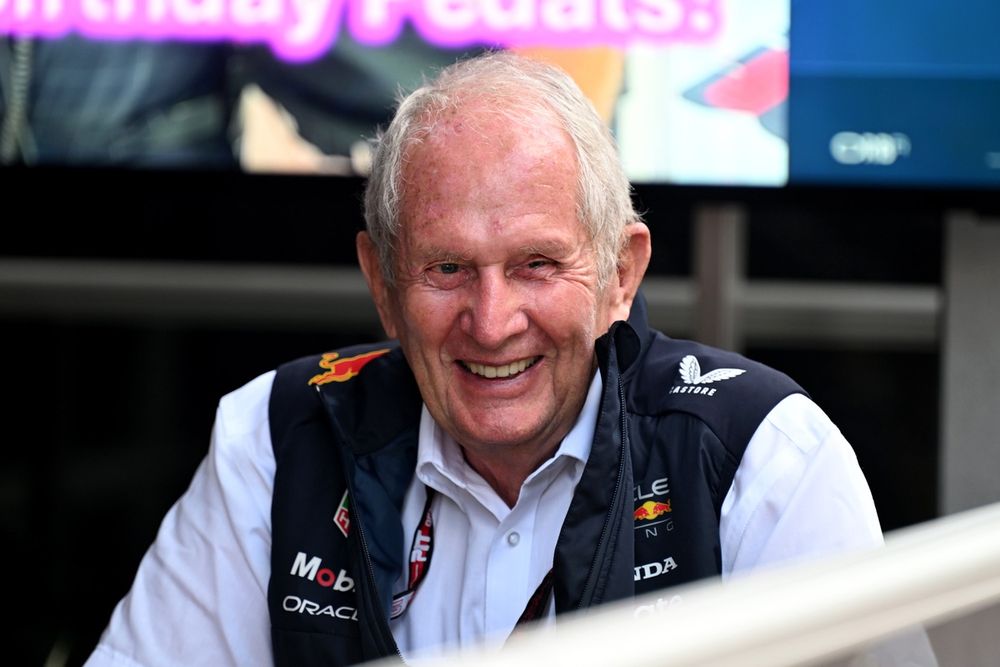
He was referring to the Red Bull car bottoming out in Turn 9. According to Red Bull advisor Helmut Marko, it’s the result of going a bit too extreme with the ride height choice this weekend. “The ride height is crucial, but in the middle sector we were perhaps a little over the limit,” admitted the 82-year-old Austrian.
Ride height is key to maximizing ground effect cars and sealing the airflow underneath the floor, but going too far brings two risks: if the plank wears down too much from contact with the track, teams risk a DSQ; and excessive bottoming compromises the ride as well.
It was that latter issue that hindered Verstappen in qualifying. Because of Red Bull’s risky ride height choice, every bump could cause a moment of imbalance—which happened several times in Turn 9.
The Road Ahead for Red Bull
A combination of these factors has made the Mexico weekend a challenging one so far for Red Bull. Marko believes the ride height issue won’t be as much of a factor on Sunday, since drivers go slower through the fast corners during a race trim and the car runs slightly higher. “Of course, because the car is higher, and it’s more heavy, so you won’t touch the ground.”
Red Bull’s motorsport advisor still considers a podium possible—but Verstappen is less optimistic. “The car just isn’t working, and it won’t work on Sunday either. Let’s just leave it at that.”
Implications for the World Title Race
If that is indeed the case, Verstappen knows it has consequences for his hopes of a fifth consecutive world title. “You have four races to go after this and then a lot of positive things need to happen,” he said. “I said it before: everything has to be perfect from our side, and this weekend is not like that. If we can make it happen [in the title fight], then that’s great of course. But if it doesn’t work out in the end, then it doesn’t. I’m not too worried about it.”


