Reform UK MP Faces Backlash Over Comments on Ethnic Representation in Advertising
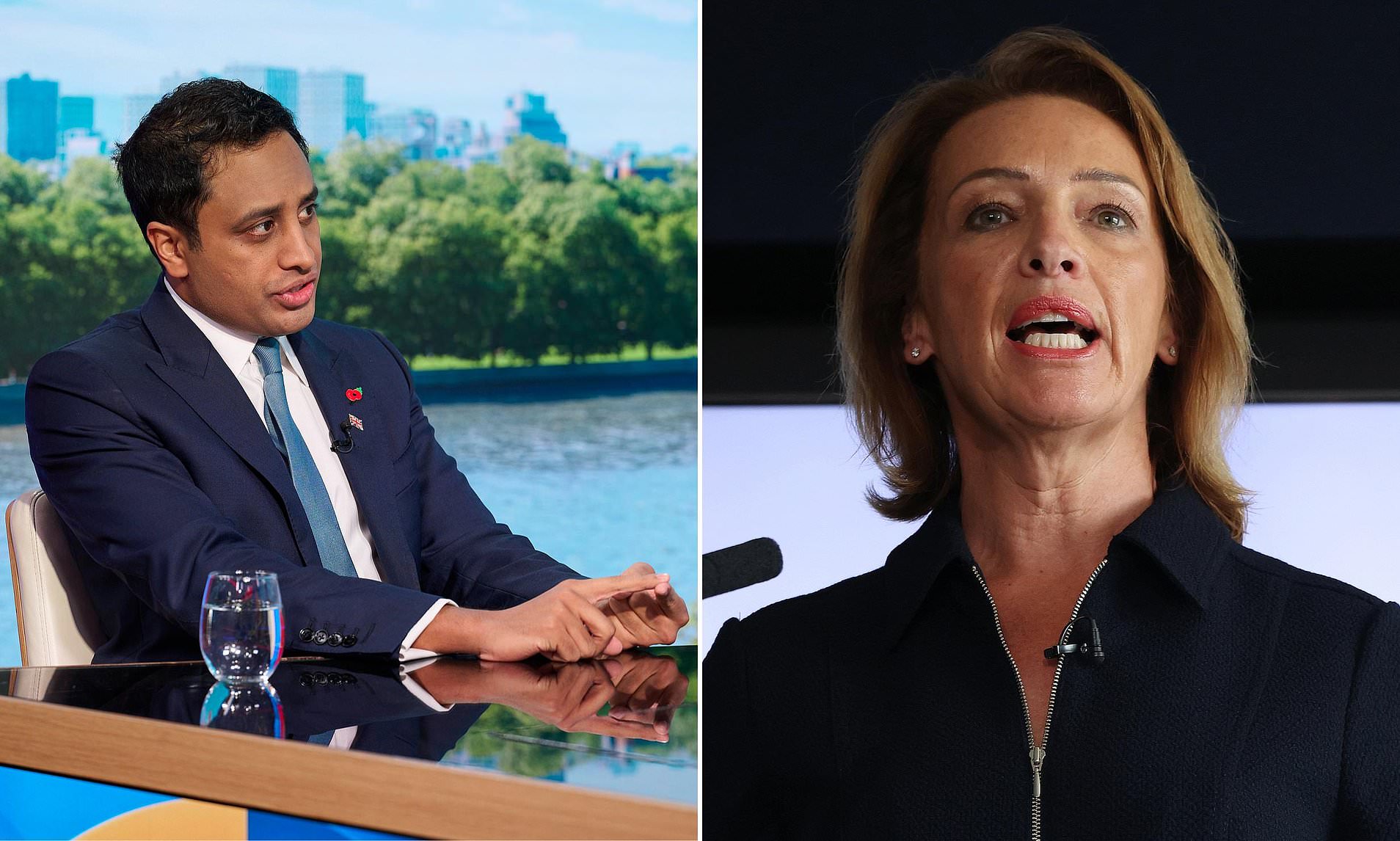
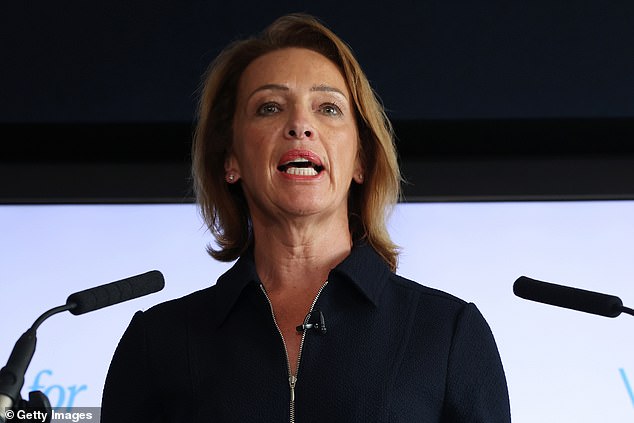
Reform UK has found itself at the center of a controversy after one of its MPs, Sarah Pochin, faced accusations of racism following her comments on the representation of Black and Asian people in television advertisements. Pochin, who recently became the party’s first by-election-winning MP after winning in Runcorn and Helsby in May, sparked a heated debate when she expressed concerns about the overrepresentation of certain ethnic groups in ads.
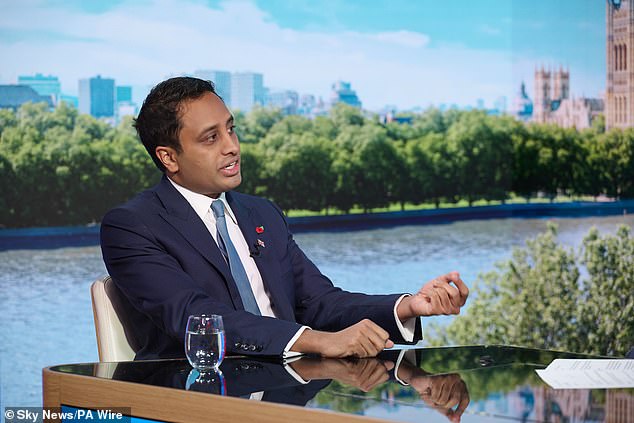
Zia Yusuf, head of party policy, defended Pochin, stating that her remarks should be considered in context and that she had made a “valid point.” However, Pochin later apologized for how her comments were phrased, acknowledging that they were poorly worded.
The controversy began when Pochin responded to a viewer on Talk TV who was upset about the demographics of modern-day advertising. She sympathized with the caller, saying they were “absolutely right” and that it “drives me mad when I see adverts full of black people, full of Asian people.” This statement led to immediate backlash from various political figures and members of the public.
Context and Apology
Mr. Yusuf acknowledged that Pochin’s remarks were “poorly phrased” and that she had apologized. He emphasized that people should be able to discuss representation in television advertising without fear of being labeled as racist. He also noted that the Talk TV caller had been “right to be upset about the massive under-representation of some groups in television advertising and significant representation of others.”
Pochin explained that she felt the average white person and family were no longer represented in the media. She blamed the situation on the “woke liberati” in the “arty-farty world,” suggesting that these views were more prevalent within the M25 area than in the rest of the country.
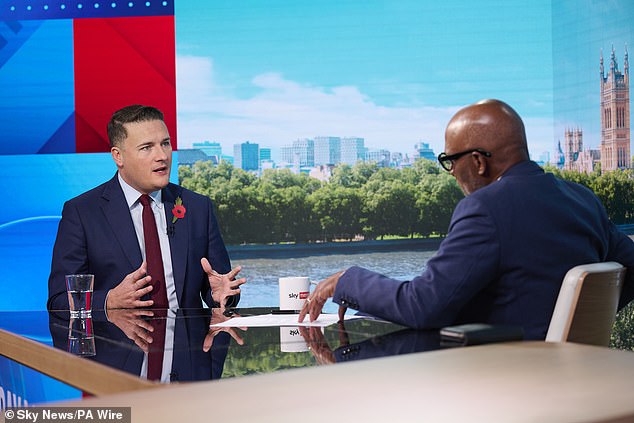
Her comments triggered a furious backlash from across the political spectrum. Health Secretary Wes Streeting called the remarks a “disgrace” and accused her of being racist. Labour party chairman Anna Turley criticized the focus on skin color, stating that it was unacceptable and showed that Reform was more interested in dividing the country than uniting it.
Political Reactions and Calls for Condemnation
The Liberal Democrats demanded that Pochin lose the party whip, which would force her to sit as an independent MP in the Commons. Shadow Home Secretary Chris Philp said he would not use such language but acknowledged that the public does have legitimate concerns about large-scale immigration that need to be controlled.
In her apology, Pochin clarified that she was trying to express that the advertising industry had become “DEI (diversity, equity and inclusion) mad.” She posted on X: “My comments on a Talk TV phone-in earlier today were phrased poorly and I unreservedly apologize for any offence caused, which was not my intention.”
She pointed to a study commissioned by Channel 4, which found that Black people were featured in more than half of adverts in 2022, up sharply from 37% in 2020. She argued that while representation should reflect the diversity of modern Britain, it should also be proportionate and inclusive of everyone.
Party Leadership and Internal Conflicts
Wes Streeting claimed that Pochin was only sorry she had been caught and called out. He warned that the return of 1970s-style racism was a serious concern and urged the party to confront it.
Pochin had previously faced criticism from within her own party in June over a question she asked Sir Keir Starmer during Prime Minister’s Questions about banning the burqa. Zia Yusuf, then the Reform chairman, criticized her question as “dumb” and stated that he had no idea it wasn’t the party’s official policy.
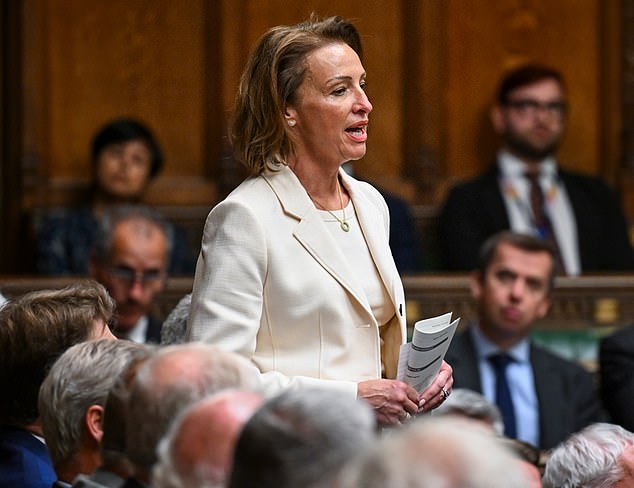
This incident highlighted internal conflicts within the party, leading to Yusuf’s dramatic resignation, though he later returned to his position. The controversy surrounding Pochin’s comments and the party’s response continues to raise questions about the direction and values of Reform UK.
Ongoing Debate and Future Implications
As the debate continues, the incident raises important questions about the role of political figures in addressing issues of representation and diversity. It also highlights the challenges faced by parties in balancing free speech with the need to avoid offensive or discriminatory language.
The ongoing scrutiny of Reform UK’s leadership and policies suggests that the party will need to address these issues carefully to maintain public trust and support. Whether this controversy will lead to meaningful changes within the party remains to be seen.


