Addressing the Impact of Shipping Surcharges on West and Central Africa
The Federal Government of Nigeria has raised concerns about the effects of peak season surcharges imposed by shipping lines on the economies of West and Central Africa. These surcharges, described as arbitrary, have been identified as a major challenge that undermines trade opportunities under the African Continental Free Trade Area (AfCFTA). The situation places significant burdens on importers and exporters in the region, hindering the progress of regional economic integration.
During a recent Sub-regional Seminar and Meeting of the Standing Committee No. 1 of the Union of African Shippers’ Councils (UASC), held in Lagos, the Honorable Minister of Marine and Blue Economy, Adegboyega Oyetola, emphasized the need for member states to engage constructively with shipping lines and international partners. This engagement is crucial to ensure transparency, fairness, and equity in determining surcharges and freight rates.
The seminar’s theme, “The Readiness of Countries of West and Central Africa in the Implementation of the Agreement Establishing the African Continental Free Trade Area (AfCFTA)-The Role of Shippers’ Councils,” was considered timely and strategic. It reflects a collective commitment to making AfCFTA a practical instrument for driving industrialization, trade expansion, and inclusive prosperity across Africa.
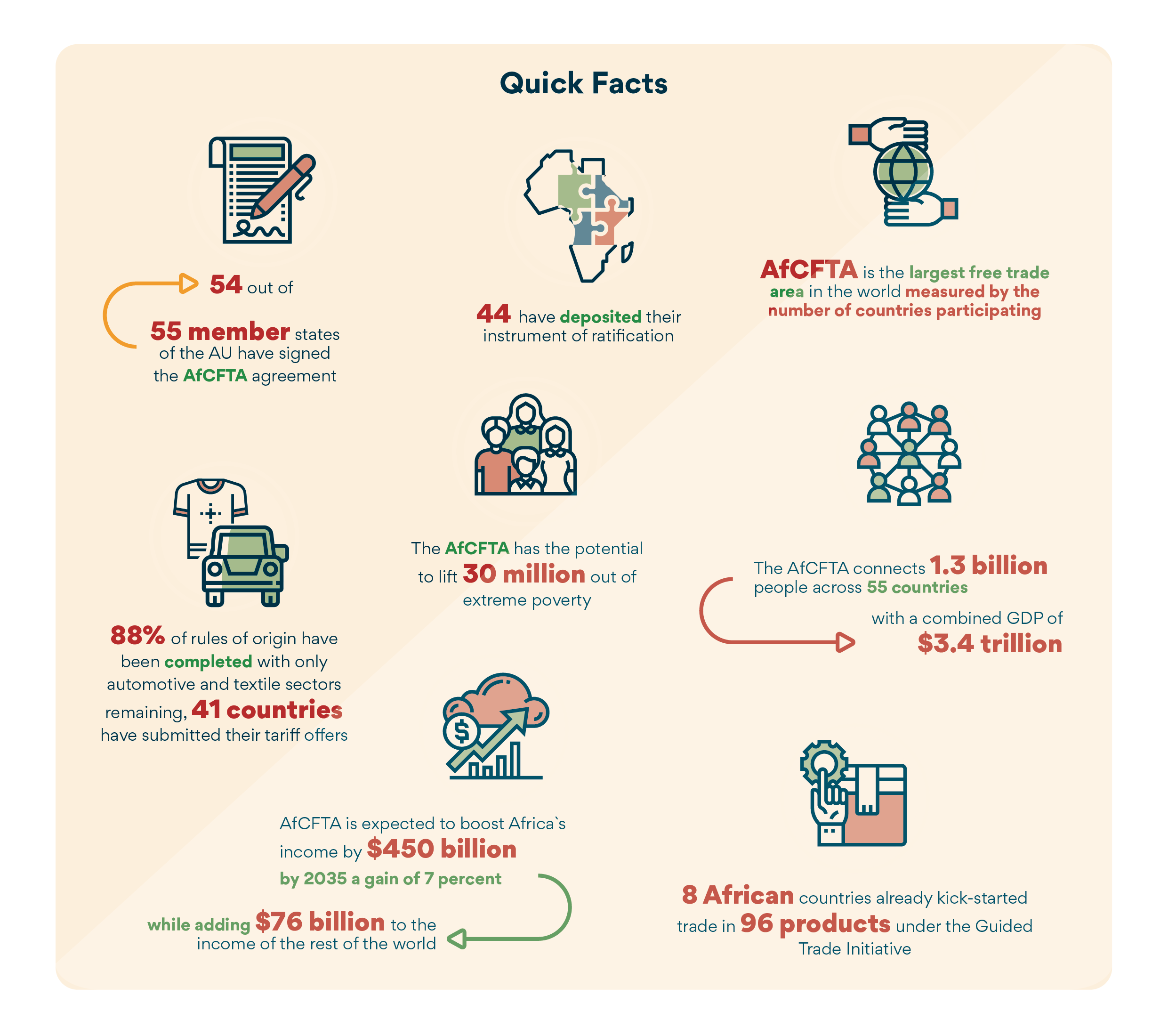
AfCFTA presents an unprecedented opportunity for the continent, offering a single market of over 1.4 billion people with a combined GDP exceeding $3 trillion. For West and Central Africa, the agreement provides a pathway for deeper regional integration, export diversification, and enhanced participation in continental and global value chains.
However, to unlock these opportunities, persistent constraints such as transport logistics, trade facilitation, port efficiency, and shipping costs must be addressed. National Shippers’ Councils are in a strategic position to play a decisive role in aligning their interventions with the objectives of the African Union and the AfCFTA implementation roadmap.
In Nigeria, the Federal Government, through the Nigerian Shippers’ Council (NSC), continues to implement policies aimed at strengthening port efficiency, multimodal transport connectivity, and digital trade facilitation. These initiatives are designed to ensure that Nigerian ports and transport corridors serve as competitive gateways for intra-African trade under the AfCFTA framework.
Nigeria also recognizes the importance of fostering regional collaboration in the development of transport corridors, inland dry ports, and logistics hubs. Projects like the Kaduna Inland Dry Port support both domestic and transit trade for landlocked countries, demonstrating Nigeria’s commitment to promoting regional trade inclusivity.
One of the key issues discussed during the meeting was the effect of peak season surcharges introduced by shipping lines on the economies of West and Central Africa. These surcharges continue to erode trade competitiveness, placing undue burdens on importers and exporters.
It is imperative that member States, through UASC, engage constructively with shipping lines and international partners to establish mutually beneficial frameworks that safeguard shippers’ interests while ensuring the sustainability of shipping services.
The Federal Government of Nigeria continues to invest in critical transport infrastructure, including railway modernization, road corridor expansion, and the development of deep seaports and inland dry ports. These projects are part of a national strategy to enhance logistics performance and support intra-African trade.
Equally significant is Nigeria’s commitment to implementing the World Trade Organisation (WTO) Trade Facilitation Agreement (TFA), which complements AfCFTA objectives by simplifying customs procedures and reducing cross-border trade costs.
Distinguished delegates at the event emphasized the importance of strong partnerships among member States, the private sector, regional organizations, and development partners such as UNCTAD and the Global Shippers’ Forum. Their continued technical support to UASC and its member institutions remains invaluable.
The two-day meeting brought together delegates from 19 member states, senior officials of maritime and transport agencies, and development partners to discuss ways of improving trade efficiency and fostering deeper regional collaboration.
Key Points from the Meeting
- The impact of peak season surcharges on trade competitiveness in West and Central Africa was a central topic of discussion.
- The need for transparent and fair freight rates was highlighted as essential for supporting trade under AfCFTA.
- Regional collaboration among UASC member states was emphasized as a way to address arbitrary shipping charges.
- The role of Shippers’ Councils in advocating for fair competition and efficient cargo movement was underscored.
- Nigeria’s efforts in developing transport infrastructure and implementing the WTO TFA were recognized as important steps toward enhancing trade facilitation.


