The Environmental Impact of Electric Vehicles
Electric vehicles (EVs) are often marketed as the greener alternative to traditional petrol or diesel cars. However, recent research suggests that in the initial years of operation, EVs may actually produce more pollution than their fossil-fuel counterparts.
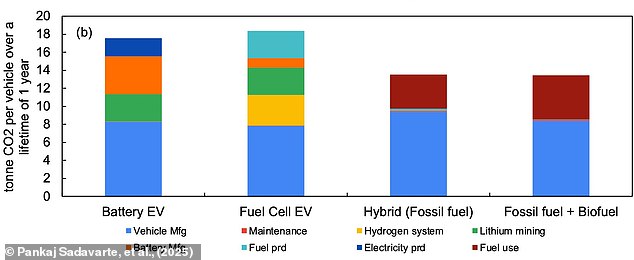
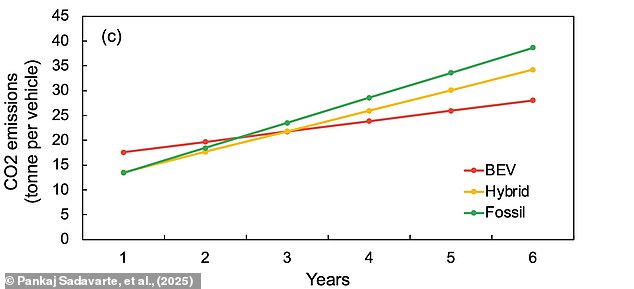
According to a study conducted by researchers from Duke University, the full lifecycle of an electric vehicle includes emissions from fuel production, battery manufacturing, vehicle assembly, and operation. Their findings revealed that battery-powered EVs produce 30% more CO2 emissions in their first two years compared to traditional cars. This means that the initial environmental impact of purchasing an EV can be higher than choosing a gas-guzzling vehicle.
However, this situation changes over time. Over an 18-year lifespan, EVs result in a significant reduction in cumulative CO2 emissions. Dr. Drew Shindell, a co-author of the study, stated that internal combustion vehicles lead to about 2–3 times more damage than EVs when considering both climate and air quality impacts.
Hidden Environmental Costs of Electric Vehicles
One of the main appeals of electric cars is their zero tailpipe emissions, which means they don’t release CO2, nitrogen oxides, or other pollutants while driving. However, many eco-conscious owners overlook the lifecycle emissions associated with manufacturing these vehicles.
The production of lithium-ion batteries, which power most EVs, involves mining lithium from countries like Australia, Chile, and China. This process consumes massive amounts of energy and water and can lead to dangerous water pollution if not managed safely. Processing lithium and creating batteries is another energy-intensive process that contributes significantly to pollution.
Dr. Pankaj Sadavarte, the lead author of the study, noted that lithium mining and battery manufacturing contribute approximately 50% of the total CO2 emissions per vehicle in the first year. Additionally, the study found that from two years onwards, petrol and diesel cars produce higher CO2 emissions.
Key Environmental Concerns
- Lithium Mining: For every tonne of mined lithium, 15 tonnes of CO2 are emitted into the air, and 100 tonnes of water are consumed.
- Cobalt Mining: Around 30% of the world’s cobalt comes from the Democratic Republic of Congo, where tens of thousands of children work in dangerous mining sites.
- Battery Production: Producing a single battery for an EV from raw materials produces up to 15.6 tonnes of CO2.
- Brake Emissions: Heavy EVs use more energy while braking, producing 2,000 times more particulate pollution than a car engine.
Despite these challenges, Dr. Sadavarte emphasized that electric vehicles outperform fossil fuel vehicles in terms of environmental impact, especially when evaluated over the same mileage and operated over a longer lifespan.
Economic and Social Cost of Pollution
Using a method to calculate the economic and social cost of pollution, the researchers found that a petrol or diesel car does about $1,605 worth of damage to the environment every year. A comparable EV, meanwhile, does only $629 worth of damage each year across its lifespan. Even if the car is charged using energy exclusively produced by burning coal, an EV would only cause $815 worth of damage, half that of a petrol or diesel vehicle.
Dr. Sadavarte also pointed out that if you drive your car less often, the lower levels of emissions mean it would take longer for an EV to outperform its fossil fuel-burning rival. The study did not include ‘end of life’ costs for either battery EVs or internal combustion vehicles, such as scrapping the car or recycling batteries.
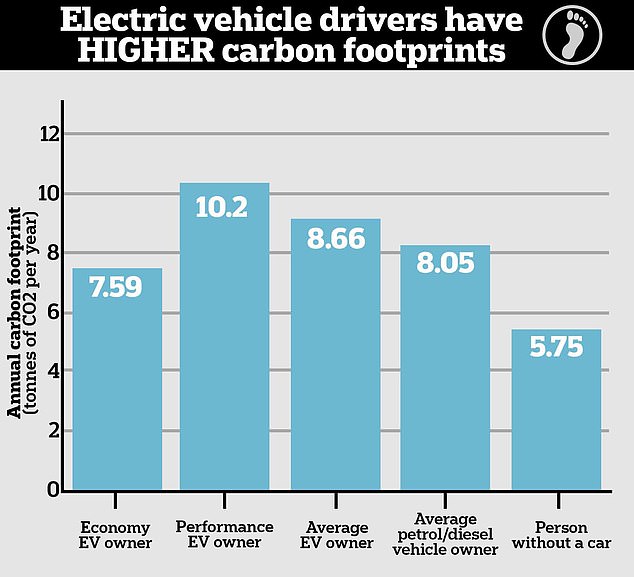
Carbon Footprint of Different Drivers
- Average petrol or diesel vehicle owner: 8.05 tonnes of CO2 per year
- Average electric vehicle owner: 8.66 tonnes of CO2 per year
- Performance electric vehicle owner: 10.25 tonnes of CO2 per year
- Economy electric vehicle owner: 7.59 tonnes of CO2 per year
- People who don’t own a car: 5.75 tonnes per year
Source: Nihls Sandman, et al. (2024)
For example, a VW e-Golf would need to be driven 77,000 miles before it worked out as better for the environment. This has led to concerns that some EVs may never make good on their initial investment as drivers upgrade to newer models.
Additional Environmental Concerns
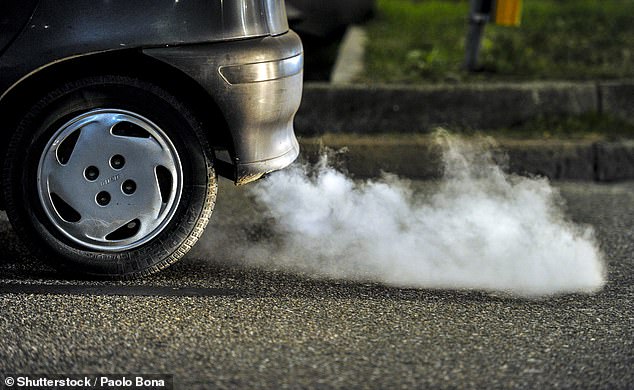
Even though EVs are considered emission-free, they still face challenges. For instance, brake pads commonly used in EVs produce emissions that are more toxic than diesel exhaust fumes. These particles are 30 times smaller than the diameter of a human hair and can slip through the airways deep into the lungs’ most sensitive tissues.
Although these particles are also created by internal combustion vehicles, since EVs are heavier, they tend to produce more “non-exhaust pollution” as they brake. This isn’t the first time research has found that EV drivers are not as eco-friendly as they might think. A study from the University of Turku, Finland, found that, on average, EV drivers actually have a bigger carbon footprint than drivers who own petrol or diesel cars. While their cars produce fewer emissions, the lavish lifestyles of wealthy EV drivers mean they contribute more to climate change.
This raises questions about whether owning an electric vehicle actually leads to a larger carbon footprint, contrary to popular belief. Are electric cars secretly polluting the air with deadly toxins from their brakes? Could choosing a flashy PHEV be a costly mistake, leaving drivers £1,500 poorer annually compared to an electric vehicle? Is the claim about increased tyre emissions just a sensationalist myth, or is there real evidence behind it?
These questions highlight the complex environmental trade-offs involved in transitioning to electric vehicles. While they offer long-term benefits, the initial environmental costs and ongoing challenges must be carefully considered.


