Prostate Cancer Screening Could Save Thousands of Lives
A major study has revealed that screening men for prostate cancer could save thousands of lives by reducing the risk of death from the disease by 13 percent. Over a 23-year follow-up period, the research found a “sustained reduction” in deaths, with the benefits of screening outweighing potential harms more than previously thought.
The findings suggest that a “targeted” approach to prostate cancer screening could be adopted to reduce deaths while minimizing excessive treatment. According to the study, one death from prostate cancer was prevented for every 456 men who were invited for checks. Additionally, one death was averted for every 12 men diagnosed with the disease.
Experts noted that the results are comparable to those seen with breast or bowel cancer screening. The Daily Mail has been campaigning to end unnecessary prostate cancer deaths and to establish a national prostate cancer screening program, initially for high-risk men.
The UK National Screening Committee is currently reviewing recent developments in prostate cancer diagnosis and is expected to release its findings later this year.
The latest study, led by researchers at University Medical Center Rotterdam, could influence the decision-making process. The team analyzed the risks and benefits of screening among 162,000 men from eight European countries, with 72,000 invited for screening. They warned about the risk of over-treatment, where some men may receive therapies that lead to impotence or incontinence, even if their tumors were slow-growing and unlikely to cause problems over their lifetime.
However, they emphasized that the harm-to-benefit profile was more favorable than previously estimated. Experts also pointed out that diagnostic techniques and treatments have improved significantly since the trial began, allowing doctors to better distinguish between tumors that require treatment and those that can be safely monitored.
The researchers highlighted the need for a more targeted strategy for prostate cancer screening, focusing on identifying population subgroups most likely to benefit from early detection while reducing unnecessary interventions for those at highest risk of over-diagnosis.
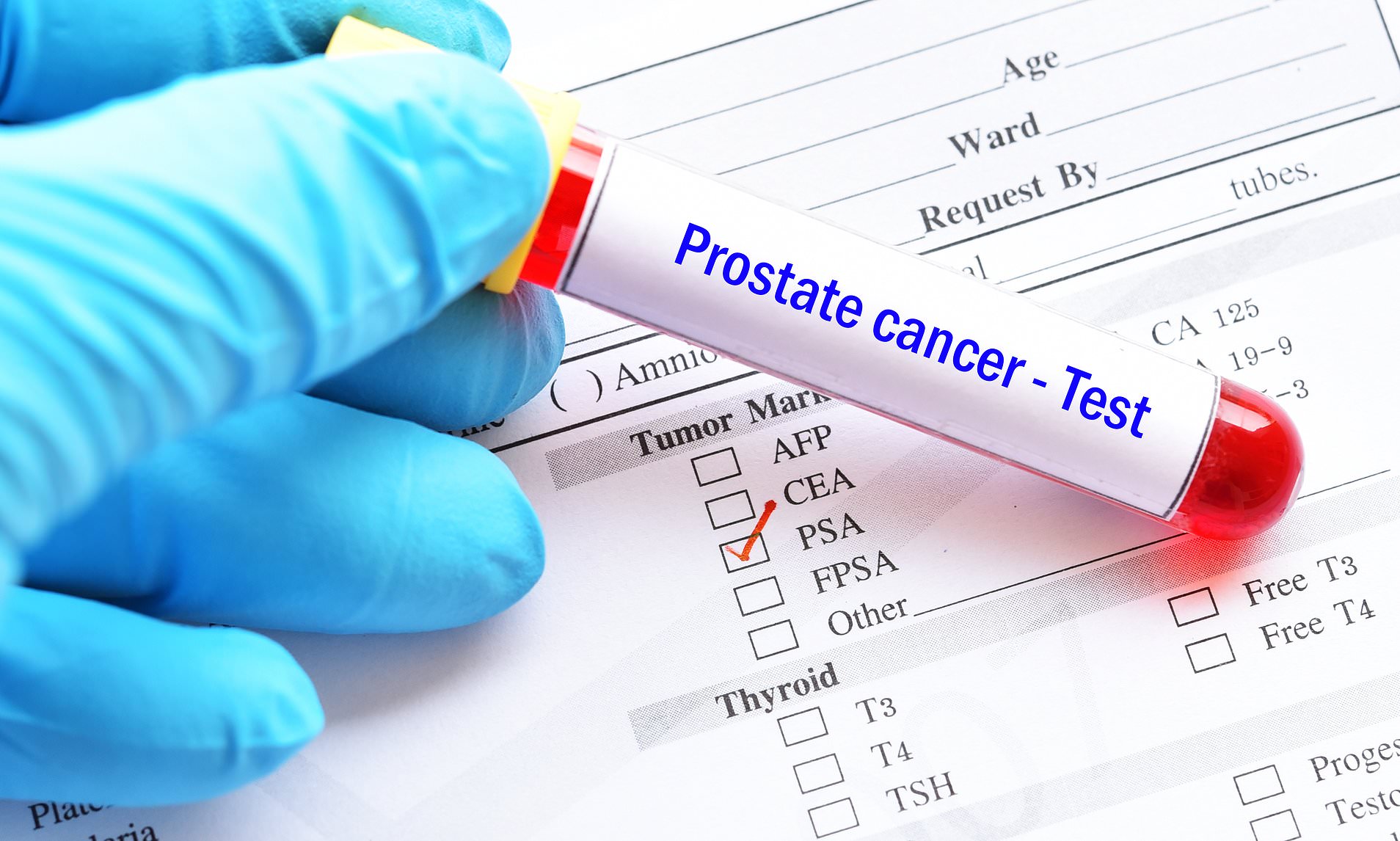
The study used the prostate-specific antigen (PSA) blood test, which is currently used to check for prostate conditions, including prostate cancer or an enlarged prostate.
Although routine PSA testing is not currently offered on the NHS, men may be offered a test if a GP suspects prostate cancer. Men over the age of 50 can request a PSA test from their GP, even without symptoms.
Nick James, professor of prostate and bladder cancer research at The Institute of Cancer Research, London, stated that the latest analysis from the European Randomised Study of Screening for Prostate Cancer strengthens the evidence base in favor of PSA-based prostate cancer screening. He added that the well-known harms of screening, such as over-diagnosis and over-treatment, can be mitigated with technologies like MRI pre-biopsy and monitoring.
Prostate cancer is the most common cancer in men, with approximately 63,000 diagnoses and 12,000 deaths each year in the UK. Nine out of ten men diagnosed in the early stages are still alive ten years later, but this drops to fewer than one in five if the cancer is caught late.

David James, director of patient projects and influencing at Prostate Cancer Research, said that the trial shows the balance between benefits and harms of screening is better than previously suggested. He emphasized that no man should die because his cancer wasn’t detected in time.
Dr. Matthew Hobbs, director of research at Prostate Cancer UK, noted that the ERSPC trial showed the balance between benefits and harms of PSA testing is better than previously thought. He added that the cross-party support for targeted screening is significant, especially for high-risk groups like black men and those with a family history.
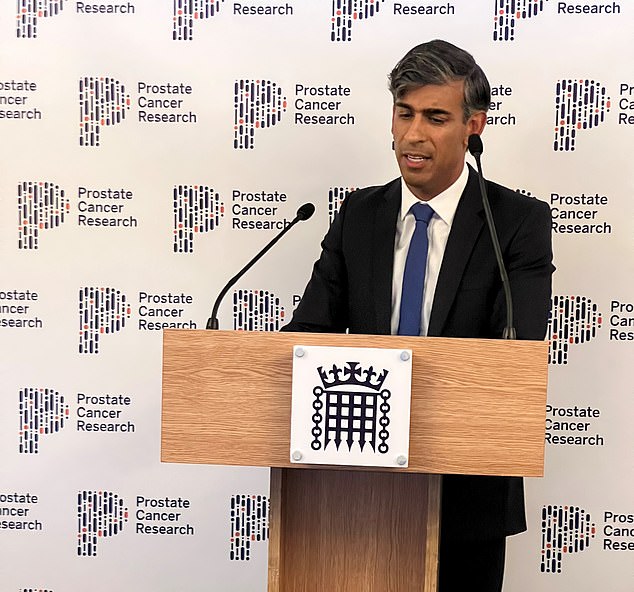
Rishi Sunak recently stated that prostate cancer screening would save thousands of lives annually and have a “generational impact” on men’s health. Health Secretary Wes Streeting has also expressed support for a national prostate cancer screening program, highlighting its potential to prevent thousands of deaths.
The NHS already offers national screening programs for breast, bowel, and cervical cancers. As more evidence emerges, the push for a national prostate cancer screening program continues to gain momentum.