The Complex Reality of Religious Persecution in Nigeria
The issue of religious persecution in Nigeria has become a contentious topic, especially with the recent attention from international bodies and political figures. The Christian Association of Nigeria recently highlighted concerns about the nation’s tolerance for religious persecution, which led to a response from Sultan Sa’ad Abubakar III of Sokoto, the President of Nigeria’s Supreme Council for Islamic Affairs. His reaction was one of shock at the allegations, suggesting that any claims of persecution should be addressed through interfaith forums.
In December 2019, the Sultan proposed that if such persecution indeed exists, it should be brought up in the Interfaith forum where Muslim and Christian leaders meet. He also emphasized that not all Fulani are Muslims, implying that the violence attributed to them might not be religiously motivated. However, this statement does not fully address the allegations of persecution, leaving room for skepticism.
During the 2025 Annual General Assembly of the Northern Traditional Rulers Council, the Sultan expressed doubt about the claims of genocide against Christians in Nigeria by Western countries. He questioned the validity of these reports, asking, “Where, when?” and concluded that they were false stories. This denial raises questions about his awareness of current events and the information available to him.
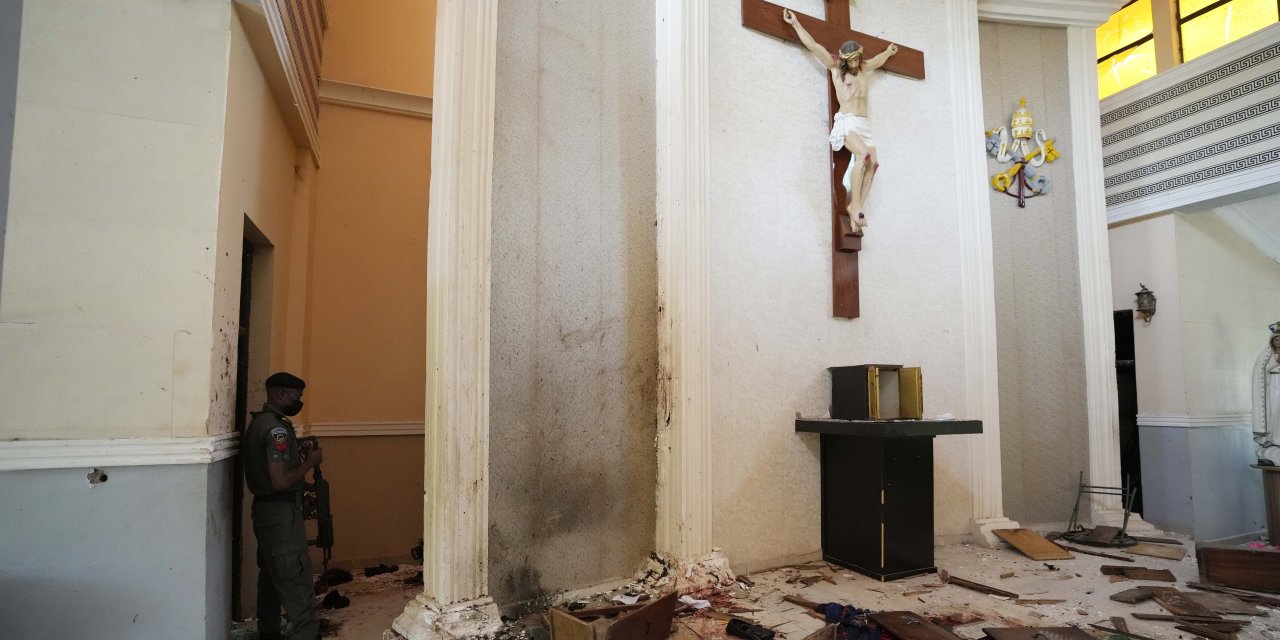
The Sultan’s assertion that such killings would not occur without the knowledge of traditional rulers is met with doubt. Are there instances of decapitation of Christian clerics in the North-East, abduction of Catholic priests in the Middle Belt, or the lynching of Deborah Yakubu at Shehu Shagari College of Education in Sokoto? These incidents challenge the narrative of non-religious motives behind such attacks.
International Perspectives and Allegations
The U.S. State Department under Mike Pompeo included Nigeria on a list of countries that tolerate severe violations of religious freedom. President Trump later declared Nigeria as a “Country of Particular Concern” due to the existential threat faced by Christians. He alleged that radical Islamists were responsible for mass slaughter, highlighting the gravity of the situation.
Senator Ted Cruz has introduced the Nigeria Religious Act of 2025, aiming to redesignate Sharia law as a blasphemy law. This bill proposes sanctions against Nigerian officials who support such laws. Cruz argues that the Nigerian government’s policies have created an environment conducive to the persecution of Christians. His statements suggest a need for accountability and action from local authorities.
The Role of Religious Leaders and Diplomats
Sultan Abubakar could benefit from engaging with Archbishop Daniel Okoh, co-chairman of the Nigeria Inter-Religious Council, to review media and security reports. As a retired army general, he has access to privileged security information that could inform his judgments. His position as the Sultan of the Sokoto Caliphate adds to his responsibility in addressing these issues.
Diplomats like Mahmoud Ali Youssouf, African Union Commission Chairman, have dismissed claims of genocide in Northern Nigeria, stating that there is no genocide. This raises questions about the sources of their information and the credibility of their claims.
Broader Implications and Responses
The situation extends beyond mere denials. Testimonies from individuals like Massad Boulos, Senior Adviser to President Trump, indicate that terrorist groups have targeted both Muslims and Christians. Prof Ishaq Akintola of Muslim Rights Concern acknowledges the impact of banditry and terrorism on both communities but denies systematic religious persecution.
For many Nigerian Christians, the fear of being the next victim is real. In April 2024, Aid to the Church in Need reported consistent attacks from armed bandits in the Middle Belt, citing religious, ethnic, and economic motivations. Reverend Father Andrew Devan described violent attacks during Easter Monday, including the tragic death of a pregnant woman and her unborn child.
The Way Forward
The solution lies in concrete actions rather than denials. Addressing extremist religious actors and their rhetoric is crucial. The Thomas Theorem suggests that beliefs shape social behavior, and the perceived persecution may fuel fear and anger among Christians.
International organizations like Open Doors and Amnesty International have raised alarms about rising insecurity and sectarian violence in Northern Nigeria. Rev. Sam Adeyemi and Rev. Ezekiel Dachomo have called for intervention, highlighting the urgency of the situation.
While some may argue that the discourse around religious persecution is influenced by political factors, efforts like Dr. Abiodun Essiet’s mission to restore peace in the Plateau axis show a commitment to addressing the issue. The complexity of the situation requires a multifaceted approach, involving dialogue, accountability, and action to ensure the safety and rights of all Nigerians.


