The Complexities of the “Christian Genocide” Narrative in Nigeria
The narrative surrounding the so-called “Christian Genocide” in Nigeria has gained significant traction, especially among U.S. politicians and international faith-based organizations. However, it is essential to approach this issue with a critical lens, as the statistics often cited are not always backed by independent sources. The reliability of these figures is closely tied to the credibility of their origin and the intent behind their compilation.
Benjamin Disraeli once famously stated, “There are lies, damned lies, and statistics.” This adage serves as a reminder that while numbers can be compelling, they do not always tell the full story. In the case of Nigeria, the claim of a “Christian Genocide” is often supported by anecdotal evidence and emotional appeals rather than concrete legal proof.
Under international law, genocide is defined by the 1948 UN Convention on the Prevention and Punishment of the Crime of Genocide. It requires a specific set of criteria, including the intent to destroy a group in whole or in part. While there have been numerous tragic events in Nigeria, such as the Odi massacre in Bayelsa (1999), the Zaki Biam killings in Benue (2001), and the Baga Massacre in Borno State (2013), none of these incidents meet the strict legal definition of genocide.
Since 2009, when Boko Haram began its terrorist activities, followed by other groups like ISWAP, Ansaru, and the Eastern Security Network (ESN), tens of thousands of Nigerians have lost their lives. According to data from ACLED, approximately 53,000 Nigerians died between 2009 and 2025 due to these groups’ activities. The United Nations High Commissioner for Refugees (UNHCR) also reported that there are 8.18 million Internally Displaced Persons (IDPs) in Nigeria, with over 25% coming from the north-east.
From these figures, several conclusions can be drawn:
- The Nigerian government has struggled to protect its citizens, particularly in regions affected by terrorism.
- Over 80% of the killings in Nigeria, especially in the north-east, north-west, and central regions, are attributed to non-state actors and criminals.
- Nigerians from all backgrounds, regardless of tribe or religion, are victims of these senseless killings.
- There is no evidence of a state policy targeting citizens based on their religion or belief.
Despite these challenges, the Federal Government must take decisive action to end the violence and restore national unity.
U.S. Involvement and the Threat of Intervention
The narrative of the “Christian Genocide” in Nigeria has been amplified in the United States, particularly among Republicans and evangelical Christian groups. Senator Ted Cruz, a prominent figure in this movement, has pushed for Nigeria to be designated as a “Country of Particular Concern” (CPC) under the U.S. International Religious Freedom Act (IRFA). If this designation is granted, the U.S. could impose sanctions on Nigerian officials, cut foreign aid, freeze assets, and restrict military cooperation.
This move has raised concerns about the potential impact on Nigeria’s economy and international standing. The irony is that these measures would affect all Nigerians, regardless of their religious affiliation.
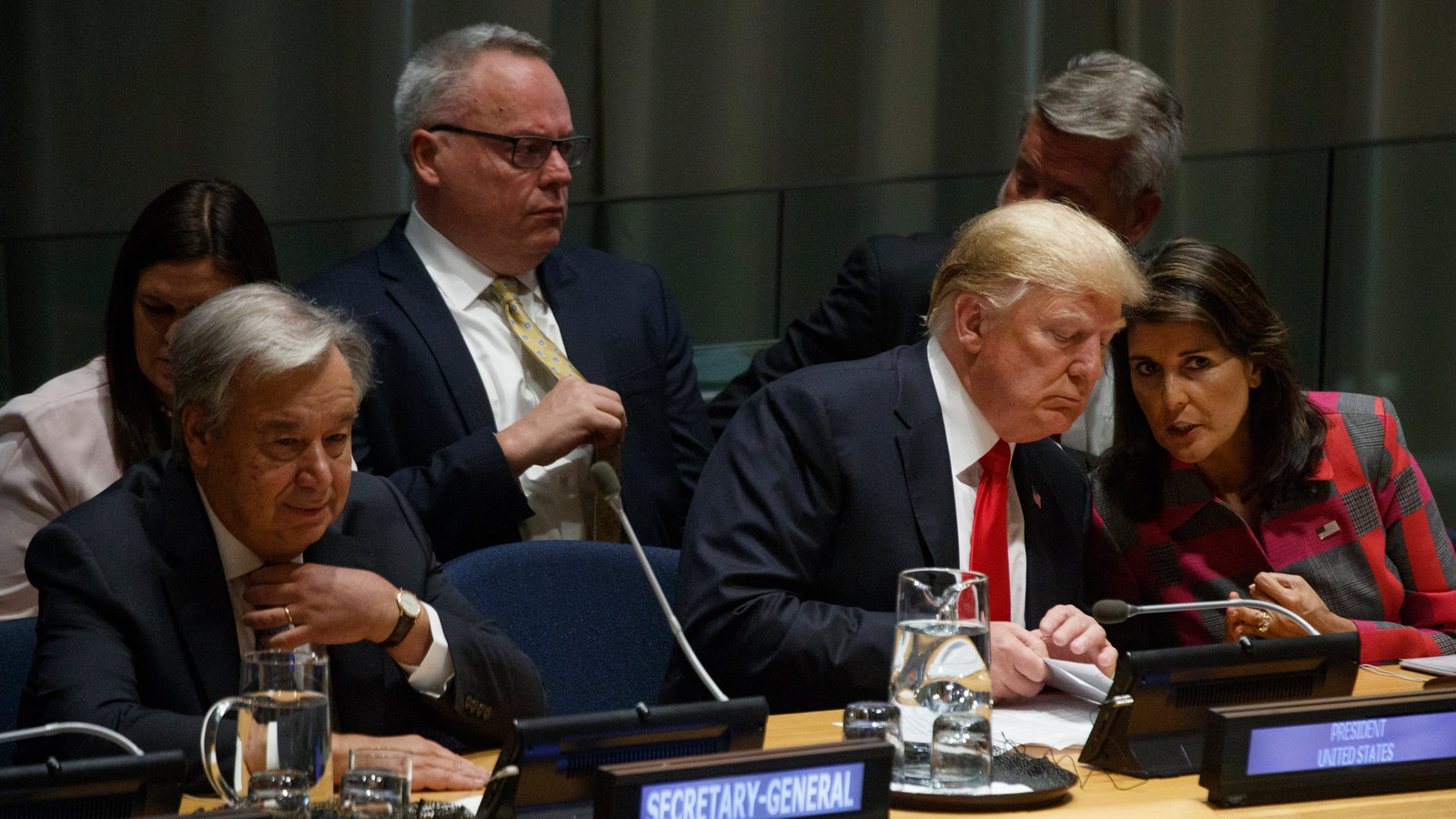
In a surprising turn of events, President Trump threatened to invade Nigeria, stating that the U.S. might “go into the now disgraced country, guns-a-blazing to completely wipe out the Islamic Terrorists.” These comments were made shortly after he redesignated Nigeria as a CPC, highlighting the growing tensions between the two nations.
Diplomatic Tensions and International Reactions
Diplomatic relations between Nigeria and the U.S. have been strained under both President Buhari and President Tinubu. While Morocco and Kenya are now considered major non-NATO allies, Nigeria and South Africa have shifted their focus toward strengthening ties with China. This shift has not gone unnoticed by the Trump administration, which has criticized both countries for alleged human rights violations.
Nigeria’s refusal to accept Venezuelan prisoners and its stance on rare earth minerals have further complicated relations. Additionally, the U.S. was displeased with Nigeria’s handling of a prisoner transfer request, which was denied in a public interview.
Violation of International Law
President Trump’s threat to use force against Nigeria violates the UN Charter and international law. Article 2(4) of the UN Charter prohibits the “threat or use of force against another state’s territorial integrity or political independence.” Even in cases of self-defense, any action taken must be reported to the Security Council immediately.
Nigeria has consistently rejected the characterization of a state-sponsored campaign of religious persecution against Christians. The Foreign Minister, Yusuf Tuggar, emphasized that such claims are “impossible” under Nigeria’s constitution and laws.
The Role of International Organizations
The United Nations operates on a “Rules-Based International Order,” requiring systematic procedures for interventions based on the Responsibility to Protect (R2P) doctrine. No country, including the United States, has the right to intervene unilaterally without the authorization of the UN Security Council.
The U.S. threat of using force against Nigeria has been condemned by ECOWAS, A.U, E.U, Russia, and China. Beijing, in particular, reminded the U.S. that Nigeria is a “Comprehensive Strategic Partner” and urged Washington to refrain from interfering in Nigeria’s domestic affairs.
Conclusion
Nigeria must stand firm and resolutely refuse to appear weak or submissive in the face of foreign aggression. The government should invoke Article 35 of the UN Charter to address the threat of invasion and ensure international peace and security. Ultimately, the focus must remain on addressing the root causes of insecurity in Nigeria and seeking solutions through established bilateral agreements rather than unilateral military intervention.
Ambassador MK Ibrahim served as a diplomat in Nigeria’s Foreign Service and retired as an ambassador after a 33-year career (1978-2011).