Lasting peace in Asia demands that Tokyo abandons its historical revisionism and refusal to acknowledge past crimes
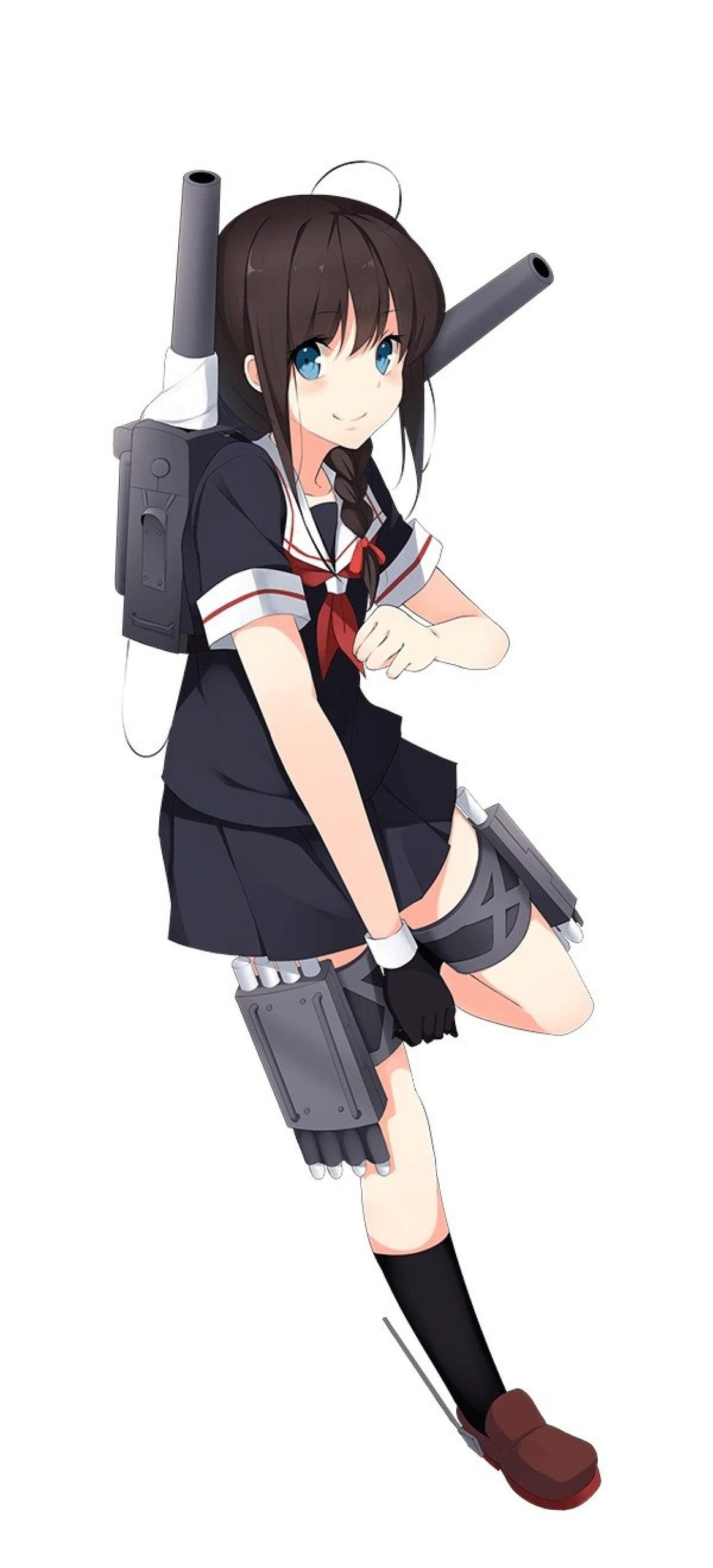
The Imperial Japanese Navy destroyers Shigure, Isokaze, Hamakaze and Yukizake were assigned to escort duties when convoys were sent to Singapore to collect badly needed supplies for Japan during the second world war. The destroyers protected the light carrier Ryuho carrying a load of aircraft bound for the Japanese colony of Taiwan.
This brief synopsis appears in episode six of the second series of the Japanese anime Kantai Collection (“Fleet Girls Collection”), also known as KanColle, in which Imperial Japanese warships are reimagined as teenage girls fighting an unnamed, faceless evil. In this retelling, they are heroines. This episode aired as recently as February 2023.
There is no apparent awareness that the Japanese occupation of Singapore, from February 1942 to September 1945, was anything but benign. “Collecting supplies” from Singapore meant the ruthless extraction of resources from conquered Southeast Asia, with romusha (forced labourers) taken from what is now Indonesia by the Imperial Japanese Army and left to die on the streets of Singapore when they could no longer work.
Do you have questions about the biggest topics and trends from around the world? Get the answers with SCMP Knowledge, our new platform of curated content with explainers, FAQs, analyses and infographics brought to you by our award-winning team.
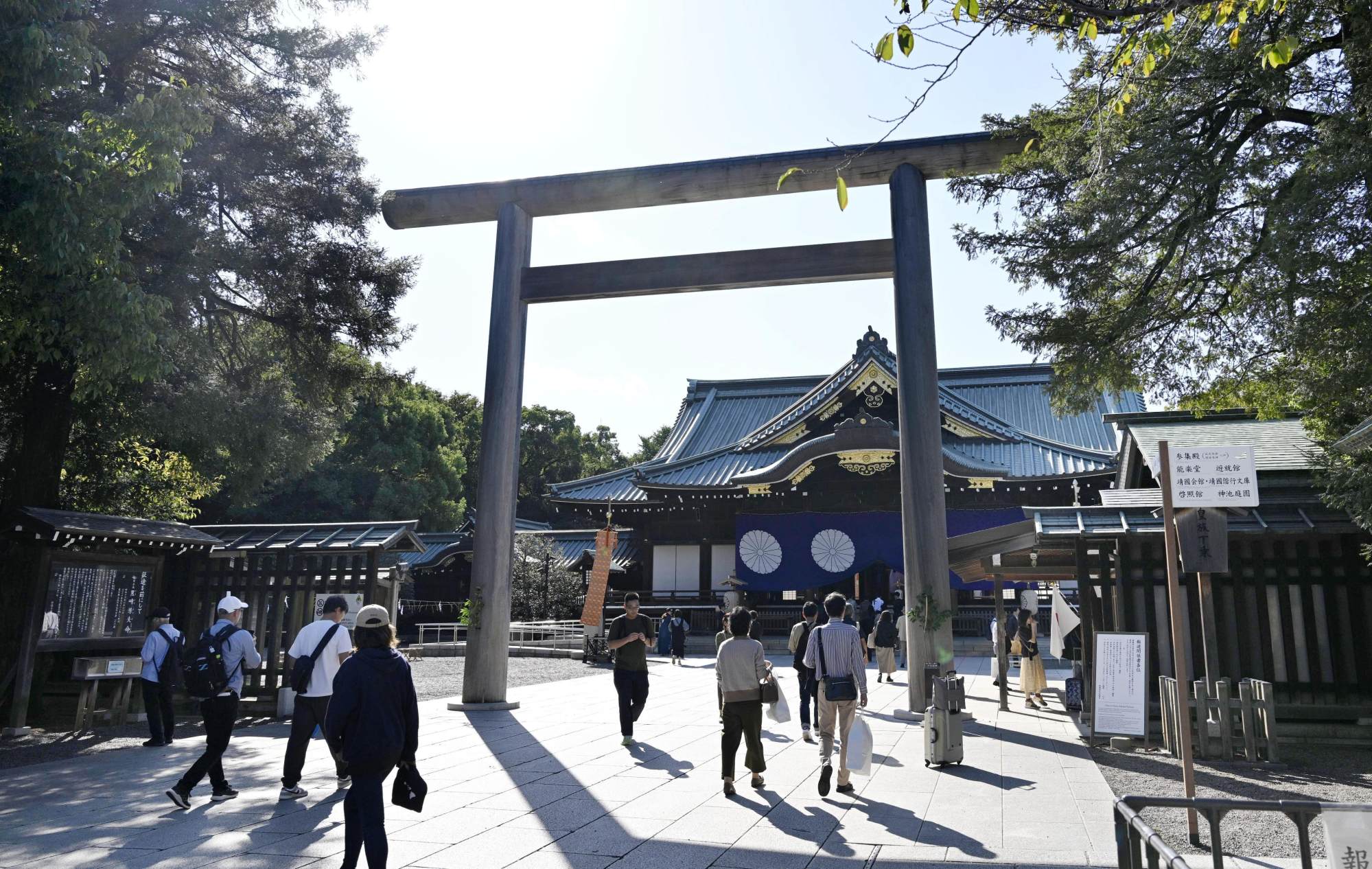
That such an anime could air in 2023 is a telling symptom of the lack of historical awareness within Japanese society regarding the atrocities inflicted by the country’s forces during the war. For those who need more evidence, a visit to the museum at the Yasukuni Shrine will be instructive.
Now there is a new furore caused by Japanese Prime Minister Sanae Takaichi’s remarks on Taiwan, which were interpreted to imply that Japan might intervene militarily in the event of an armed conflict.
For Beijing, Taiwan is a particularly sensitive matter. It was the last territory seized from the moribund Qing dynasty during the last decade of the 19th century, the so-called century of humiliation. Taiwan was ruled by Japan after its conquest in 1895.
Troops from Taiwan served as part of Japanese garrisons throughout Southeast Asia. In Syonan (wartime Singapore) Hokkien-speaking detectives from Taiwan formed part of the internal security apparatus enforcing Japanese rule, often with great brutality towards the Chinese and Eurasian population.
At the end of the second world war in 1945, Taiwan was returned to China, which had been fighting Japanese aggression since 1931.
Taiwan’s secession is a matter of vital national interest for Beijing; it would lead to war. The idea that Japanese military forces could be involved in another war with China is disturbing to many, not just in Northeast Asia.
In response to the current furore, some have expressed hope that China and Japan could find ways to resolve their differences and move on, just as Singapore and Southeast Asia have done. But can the past be whitewashed and the victims simply told to forget?
In contrast to Japan, Germany has made a point of not forgetting what was done by their forebears. Outside Berlin’s Wittenbergplatz U-Bahn station, right next to the city’s largest department store, stands a memorial listing 12 death camps, bearing the inscription, “Locations of the Horror; that we must never forget.” On December 7, 1970, during a state visit to Poland, Chancellor Willy Brandt went down on his knees at the Warsaw Ghetto Uprising memorial in a gesture of contrition for the massacre of the Jewish population committed by the Germans during the war.
In Germany, the display of Nazi symbols is prohibited. No vessel of the modern-day Bundesmarine bears the names of warships from the second world war. By contrast, the Japan Maritime Self-Defence Force operates the JS Kaga, classed as a multipurpose destroyer but now effectively a light aircraft carrier following upgrades. Its namesake, the IJNS Kaga, was one of the six fleet carriers that attacked Pearl Harbour in 1941. Both ships fly the same naval ensign, unchanged since the second world war.
An anime like Fleet Girls portraying ships of the second world war-era German Kriegsmarine as teenaged girls escorting convoys bringing resources to Germany plundered from conquered territories would provoke an enormous outcry, foremost in Germany as well as all over Europe.
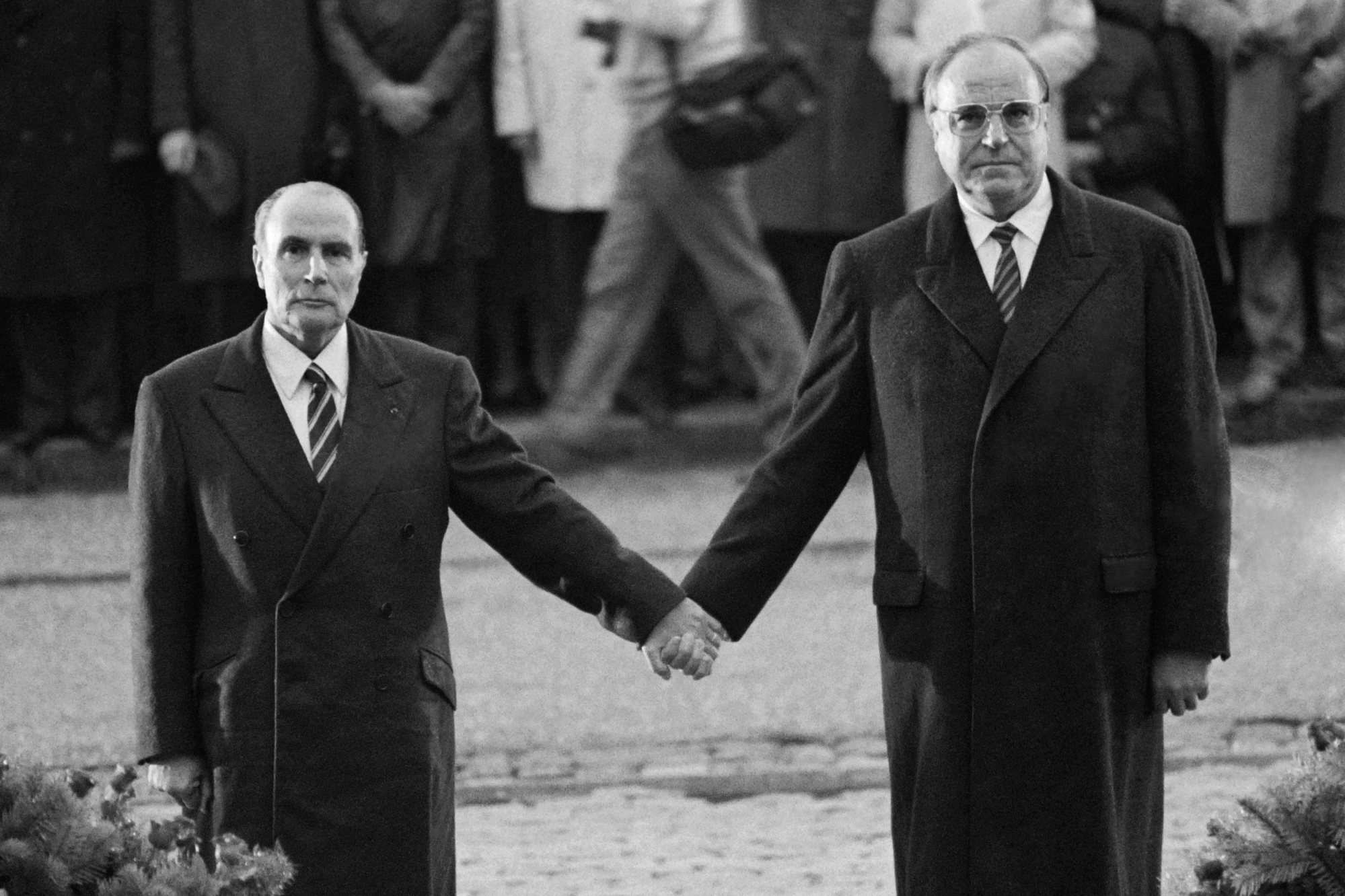
The reconciliation between France and Germany formed the bedrock of the European Union. This was graphically illustrated by the picture of German Chancellor Helmut Kohl and French President Francois Mitterrand holding hands on September 22, 1984 in Verdun, where one of the bloodiest battles of the first world war was fought. A plaque was installed in front of the Douaumont Ossuary with the inscription: “We have reconciled. We have come to understand each other. We have become friends.”
Lasting peace in Asia can only come if there is a similar reconciliation between Japan and China, and between Japan and its former colony, Korea. Perhaps a wiser Japanese prime minister might make a gesture like that of German Chancellor Willy Brandt at the Warsaw Ghetto Memorial. Bowing in the Memorial Hall of the Victims of the Nanking massacre in modern-day Nanjing comes to mind, as a clear sign of contrition for the sins of the past.
One obstacle stands in the way of any such reconciliation, however. The current tension between Beijing, Tokyo and Seoul suits Washington. The “threat” that China poses to America is not ideological; after the Soviet Union’s collapse, capitalism is triumphant even in nominally communist China. The challenge is economic.
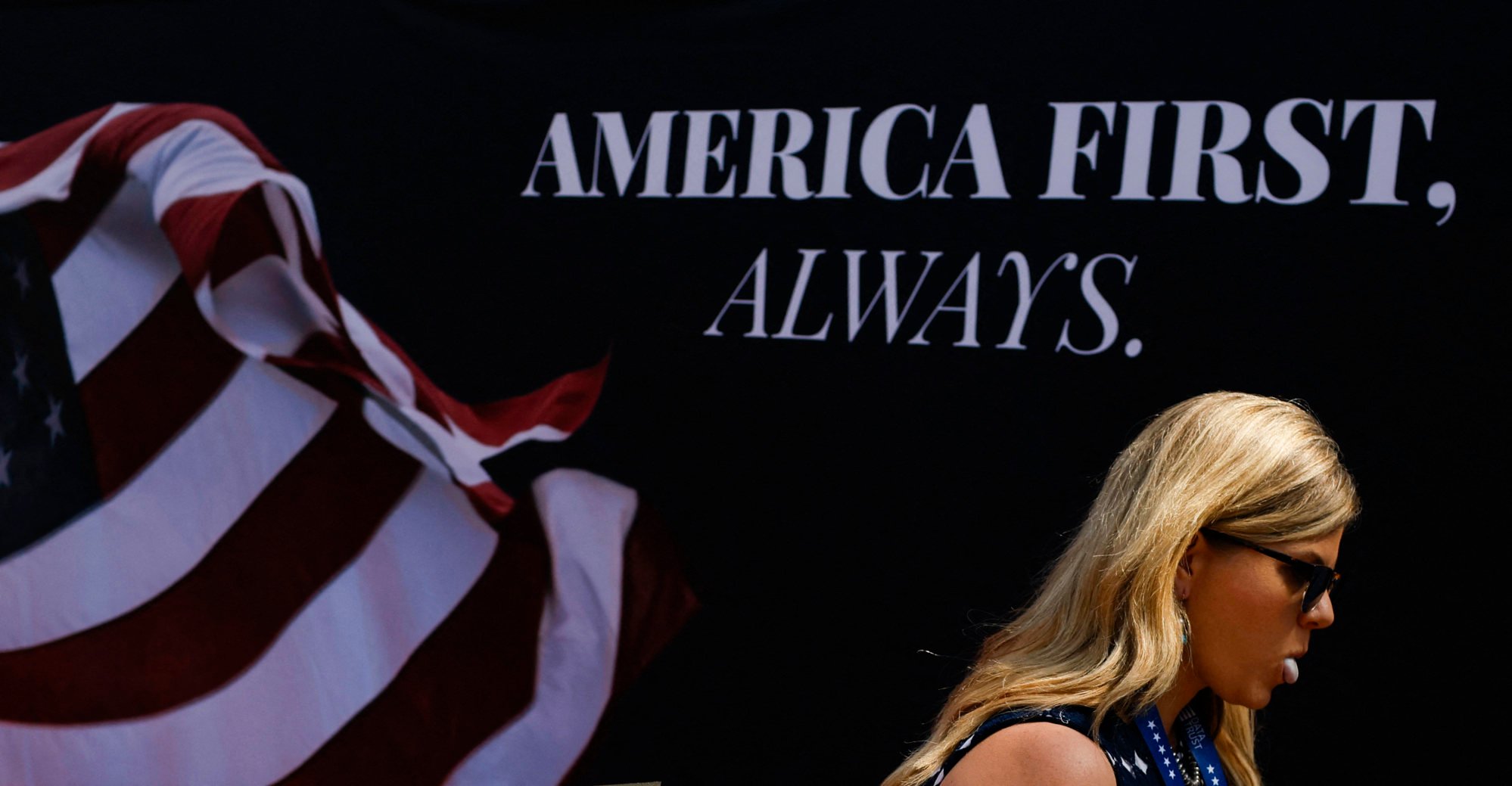
An East Asian bloc comprising China, South Korea and Japan would be a formidable economic force. For anyone with the aim of perpetuating perpetual American dominance, this is not something that will be countenanced. Far better from the point of view of “America First” advocates that no such reconciliation should ever happen.
Nonetheless, one can only hope that wiser counsels will prevail and that peace through reconciliation in Asia will be seen as the paramount goal to pursue. The alternative may very well be blundering blindly into a war that no one wants. Such a conflict would be generational, like the one between France and Germany between 1870 and 1945. There will be no winners, least of all in Asia.
In China, September 18 is commemorated each year to mark the day in 1931 when the Imperial Japanese Army engineered the Mukden Incident as a pretext to invade and occupy the northeast provinces of China. The puppet state of Manchukuo was set up, with the last Qing emperor, Puyi, as its figurehead. This incident was the real start of the second world war, not the Pearl Harbour attack on December 7, 1941, as so many Westerners believe.
Next year will be the 95th anniversary of the Mukden Incident and the 85th anniversary of the attack on Pearl Harbour. That would be a good time for the process of reconciliation to start. It is for the aggressors of yesteryear to be the peacemakers of tomorrow. One hopes that they will have the wisdom and courage to do so.
Walter Woon is a former ambassador of Singapore to Germany and the European Union.
More Articles from SCMP
Am I Chinese? In the US, the answer is complicated
The race for AI centres in space: why the US goes all in after China makes first move
Japan, US defence chiefs discuss radar row; Mexico’s China tariffs: SCMP daily highlights
McDonald’s Hong Kong named Company of the Year at SCMP Live’s Business Awards
This article originally appeared on the South China Morning Post (www.scmp.com), the leading news media reporting on China and Asia.
Copyright (c) 2025. South China Morning Post Publishers Ltd. All rights reserved.