
Winter always brings a spike in flu cases, thanks to colder weather pushing us indoors, more time spent in close contact, and viruses surviving longer in chilly, low-humidity conditions.
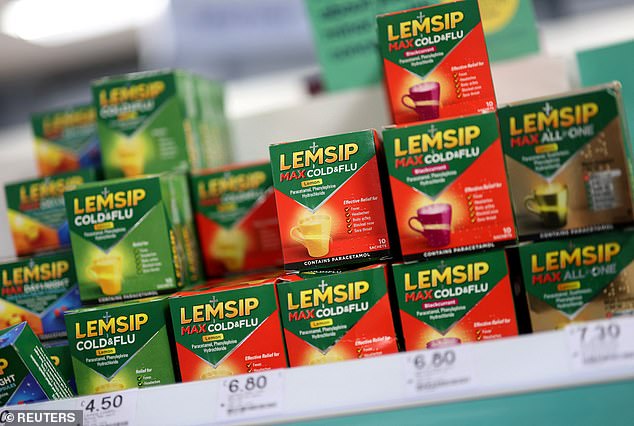
But this year’s flu season has hit harder than usual, with a wave of mutant superflu sweeping the UK, even prompting some supermarkets to lock Lemsip behind security boxes to prevent panic buying.
Yet pharmacist Deborah Grayson has warned that overuse of products like Lemsip can cause symptoms to get worse, and stockpiling is pointless due to the medicine’s expiry date.
Ms Grayson, who has been dubbed the ‘Godmother of Pharmacology’ on TikTok, said: ‘People often panic-buy when they see headlines about a new flu strain, but many of these products have expiry dates.
‘If you don’t end up using them and they go out of date, it’s simply a waste of money.
‘I always say the issue with products like Lemsip and Sudafed is that they might make you feel better in the short term because they reduce the amount of mucus your nose produces.
‘That can help with both a runny nose and a blocked one. But in my experience, after a few days, it often makes the congestion worse. The more you use it, the more it seems to stop your body from clearing the mucus naturally.’
Instead, she believes there are far more effective options on the market, as well as at-home remedies to get you on the road to recovery.
Paracetamol
Ms Grayson said: ‘Paracetamol is commonly used to help manage symptoms of the flu, and it provides several important benefits.
‘One of its key actions is reducing fever. It does this by interfering with the production of prostaglandins, which are the chemical messengers in the body that play a role in regulating temperature.
‘By limiting prostaglandin activity, paracetamol helps bring down an elevated temperature and makes you feel more comfortable.
‘Paracetamol is also effective at easing many of the aches and pains that come with the flu. This includes joint pain, muscle soreness, headaches, and general body aches that often make flu symptoms feel so debilitating.
‘Dampening the body’s pain signals can help improve comfort and make it easier to rest and recover.’
Ibuprofen
‘Like paracetamol, ibuprofen reduces the production of prostaglandins, the chemical messengers involved in pain and fever.
‘However, ibuprofen has a stronger effect on inflammatory pathways. It inhibits the COX (cyclo-oxygenase) enzymes, which are responsible for producing inflammatory molecules throughout the body.
‘By blocking these pathways, ibuprofen not only reduces fever and pain but also helps calm the underlying inflammation that contributes to things like muscle aches, joint pain, and general flu-related discomfort.
‘Another advantage of ibuprofen is that it can relieve symptoms such as sinus pressure or an inflammatory sore throat.
‘Paracetamol and ibuprofen can be used together safely for most people, as they act through different mechanisms. Many people find it helpful to alternate them so that pain and fever are managed more consistently throughout the day.
‘Alternating allows one medication to take effect as the other begins to wear off, helping maintain steadier symptom relief.’
Bronchostop
‘When people get the flu, they often experience symptoms like a runny nose or a cough. One of my personal favourite cough mixtures is Bronchostop, which contains marshmallow root and thyme. I like this particular mixture because it works well for both dry and chesty coughs.
‘Some cough medicines are specific to the type of cough you have. For example, certain syrups should not be used if you have a chesty cough, as they can interfere with your body’s ability to clear mucus.
‘Bronchostop, however, is different, as the marshmallow root helps coat and soothe the respiratory system, calming irritation and reducing the urge to cough. At the same time, thyme helps to reduce phlegm production and clear mucus from the airways.’
Saline washes and nasal sprays
‘Saline nasal sprays can be very helpful when you’re congested. When you squirt them up your nose, they help dissolve the mucus that’s blocking your airways, making it easier to breathe and reducing that stuffy feeling.’
Bee Prepared Daily Capsule

‘This is a great product because it helps your body mount a faster defence against viruses. We can’t promise it will prevent illness completely, but it contains ingredients that support your immune system.
‘Taking it daily can help you stay more resilient to colds and flu, and starting it at the first sign of symptoms may give your body a quicker boost to fight back.’
As well as products you can buy over the counter, Ms Grayson says taking care of ourselves is an essential way to ward off sickness and also help our bodies recover quickly.
‘Taking care of ourselves plays a key role in strengthening our immune system. The way we live and things like our diet, sleep, exercise, and stress management directly impact our overall health and resilience, helping us stay well and feel our best.’
Sleep
‘For me, the most important factor is sleep. Not getting enough, ideally around eight hours a night, can significantly reduce how effectively your immune system functions. Whether it comes from late nights, partying, or chronic insomnia, poor sleep can have a major impact on the body’s ability to fight off illness.
‘Stress is another key factor, as it can further weaken immune function and make it harder for the body to stay resilient.’
Stress
‘Stress has a significant impact on the immune system. If you experience high levels of stress, whether from work, personal life, or other pressures, it can weaken your body’s natural defences and make you more susceptible to illness.
‘Chronic stress can interfere with the immune system’s ability to respond effectively to infections, slow recovery, and even increase inflammation. It can be hard to manage stress when life comes at you fast, but taking time to exercise or meditate or unwind is so important.’
Avoid alcohol
While it might be tempting to drink yourself into a slumber and hope to wake up feeling better, Grayson strongly advises against it.
‘Alcohol can have a negative impact on the body’s ability to fight off illnesses such as the flu. It disrupts the immune system by reducing the activity of white blood cells, which are essential for attacking viruses.
‘Drinking alcohol can also dehydrate the body, making it harder for the mucus membranes in the nose and throat to trap and remove pathogens. Additionally, alcohol can interfere with sleep, which is crucial for immune function and recovery.’
And if you do start to feel the initial signs of flu, Deborah gives her top tips to regain your strength and bounce back.
‘The most important thing when you have the flu is to rest. Your body needs to focus its energy on fighting the infection and helping you get better. This may mean taking time off work, relaxing, or even staying in bed if your symptoms are severe.
‘It is also essential to stay well hydrated and eat as much as you can. Even if you don’t feel like eating, soft foods such as soups or casseroles can provide both hydration and nutrition. Getting plenty of sleep is another key factor in supporting your immune system.’
Read more
- How can you beat holiday flu with these expert-approved immunity-boosting secrets?
- What safer remedies should you be reaching for as health scares pull cold and flu staples off the shelves?
- How can hot drinks offer surprising relief from relentless flu symptoms?
- Unmasking the truth: Are your beloved home remedies actually harmful for your health this flu season?
- Can a simple mixture of lemon and thyme be the secret weapon against pesky flu symptoms this winter?