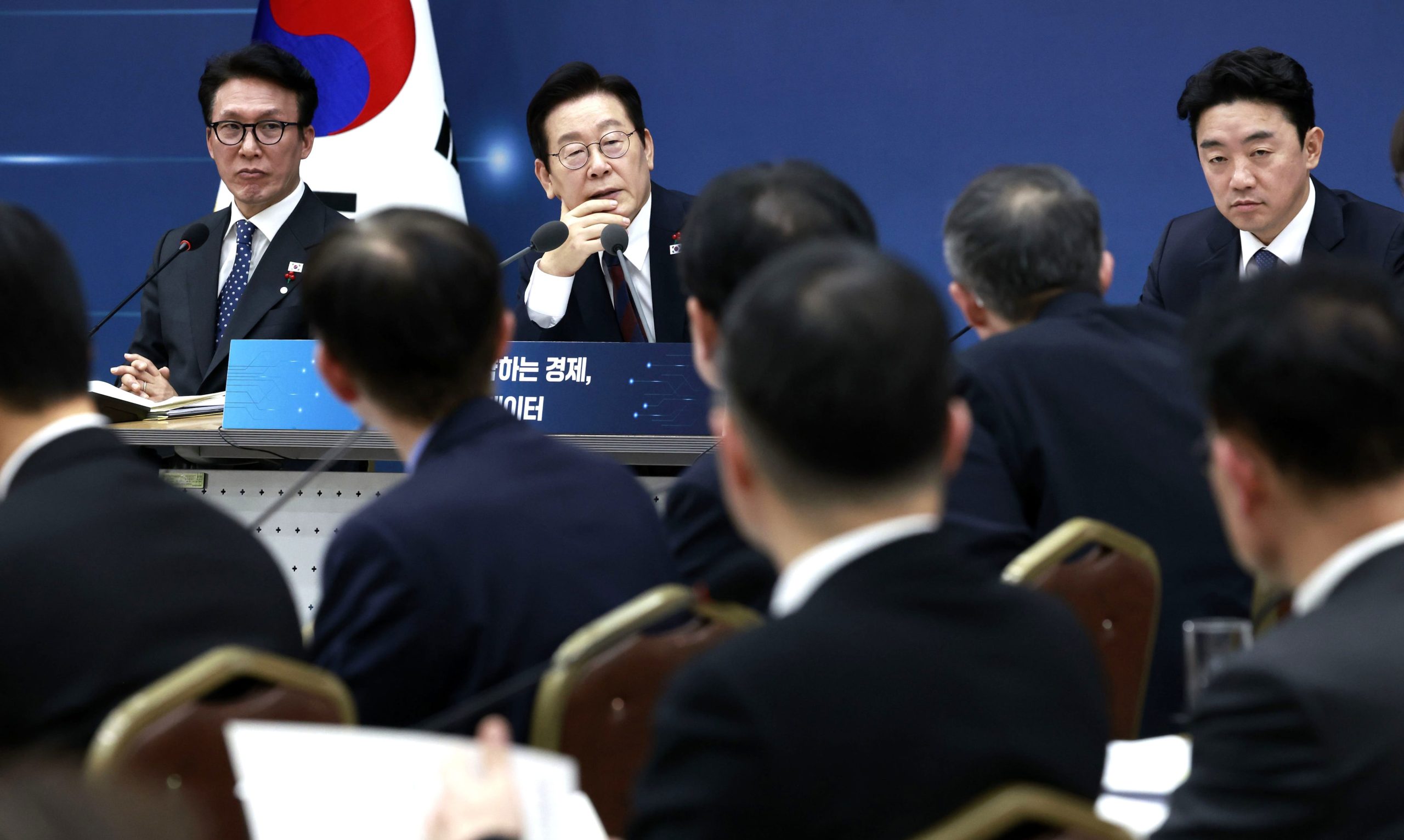
The government has begun rolling out various policy funds. Deputy Prime Minister for Economic Affairs Koo Yun-cheol announced during a December 11 report to President Lee Jae-myung on the 2026 fiscal year that the government would push to establish a “Korean-style sovereign wealth fund.” Additionally, Lee Eog-weon, Chairperson of the Financial Services Commission, launched a 1.5 trillion Korean won National Growth Fund aimed at investing in advanced industries. The idea is to use national taxes and state-owned assets to actively invest in domestic and international industries, driving economic growth and generating returns. However, policy funds created with each new administration have often been scattered and poorly managed afterward. They frequently fade away when administrations change, making it difficult for citizens to verify the effectiveness of taxpayer investments.
Proliferation of Policy Funds
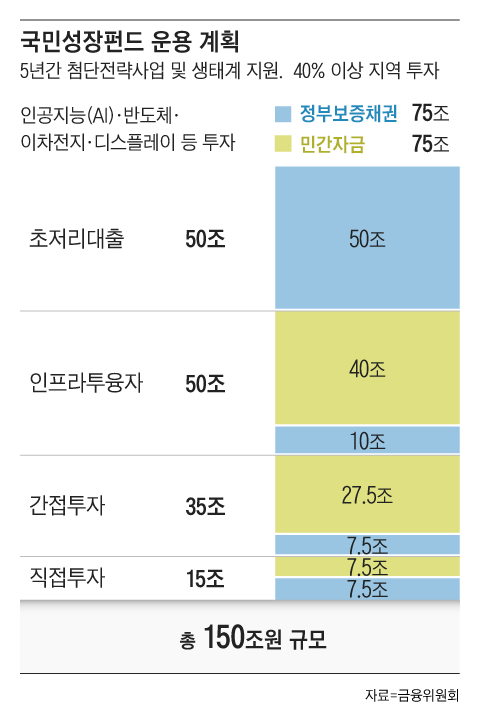
The four major policy funds currently being pursued by the Lee Jae-myung administration are: ① the National Growth Fund, ② the Korean-style sovereign wealth fund, ③ the Korea-U.S. Strategic Investment Fund, and ④ the Strategic Export Finance Fund. The National Growth Fund will focus on investing 1.5 trillion Korean won over five years in advanced industries such as artificial intelligence (AI) and semiconductors. It will be formed by combining 75 trillion Korean won in government-guaranteed bonds and 75 trillion Korean won in private funds. The government is considering allocating these funds as follows: 30 trillion Korean won for AI, 21 trillion for semiconductors, 15 trillion for mobility (transportation), 12 trillion for bio/vaccines, and 8 trillion for secondary batteries. Over 40% of the total funds will be invested in regional areas to stimulate local economies.
The Korean-style sovereign wealth fund will focus on long-term investments in national strategic sectors. The only existing sovereign wealth fund in South Korea is the Korea Investment Corporation (KIC), established in 2005 following lessons from the 1997 foreign exchange crisis. However, the KIC is limited to investing foreign exchange reserves entrusted by the government and the Bank of Korea in overseas assets. The new fund aims to enable domestic investments and long-term investments across diverse sectors. Deputy Prime Minister Koo stated, “To actively create national wealth, we should be able to invest in anything that can yield high returns, whether real estate, advanced industries, or bio sectors.” The government is considering using non-listed stocks and other state-owned assets held by the government, utilizing systems such as the inheritance tax payment-in-kind scheme.
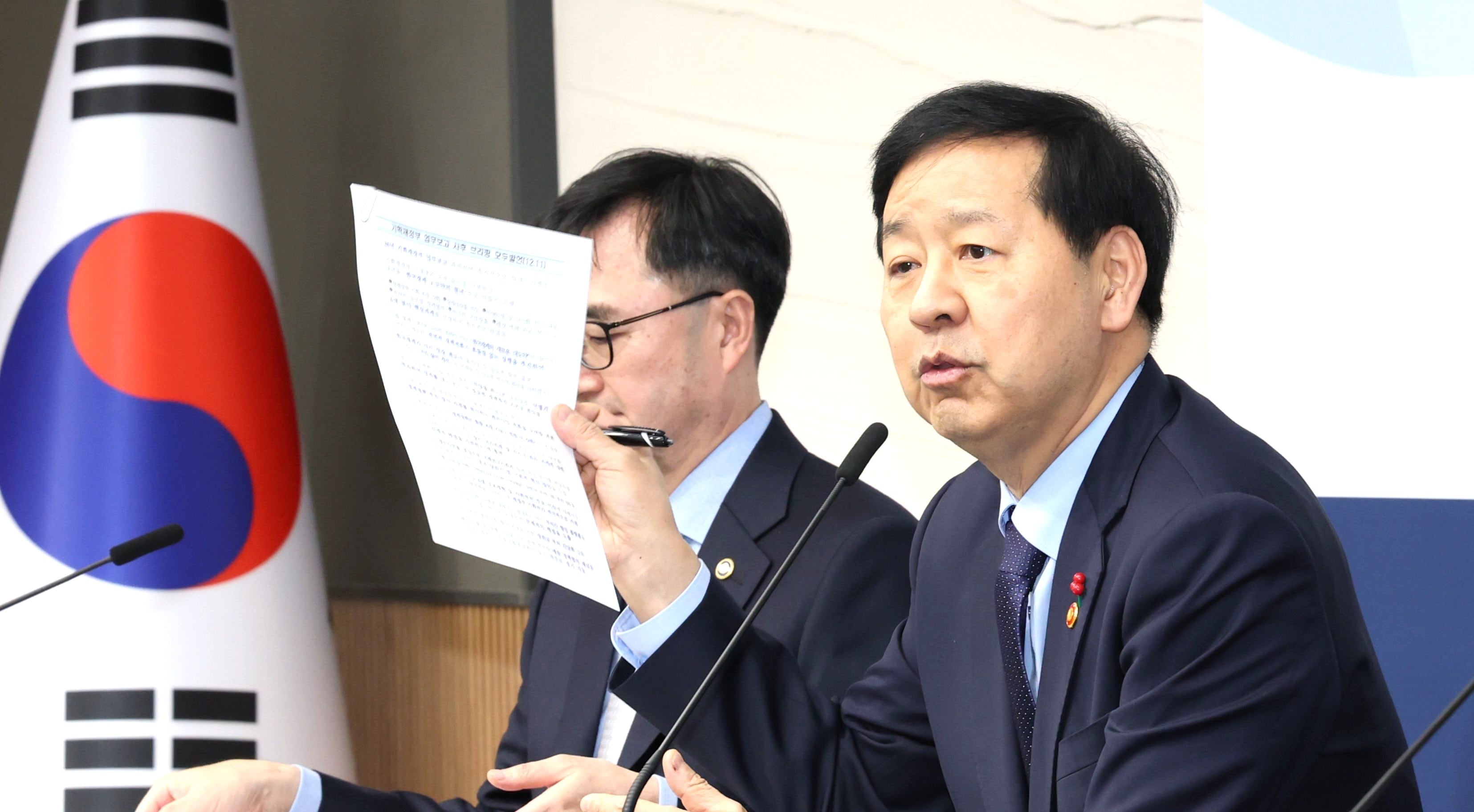
The Korea-U.S. Strategic Investment Fund resulted from a $350 billion investment agreement with the U.S. The government plans to establish a new Korea-U.S. Strategic Investment Corporation to manage the fund. It will send annual investments of up to $20 billion to the U.S. using profits from foreign exchange reserves and funds raised by issuing dollar-denominated bonds overseas. It will also provide guarantees or loans for investments related to shipbuilding cooperation.
The Strategic Export Finance Fund is a tool to support South Korean companies’ global exports. While institutions like the Export-Import Bank of Korea provide financial support such as guarantees to exporters, the strategy is to develop active investment elements in the process to generate profits. The profits are being considered for reinvestment in domestic export-related companies.
New Funds with Each Administration
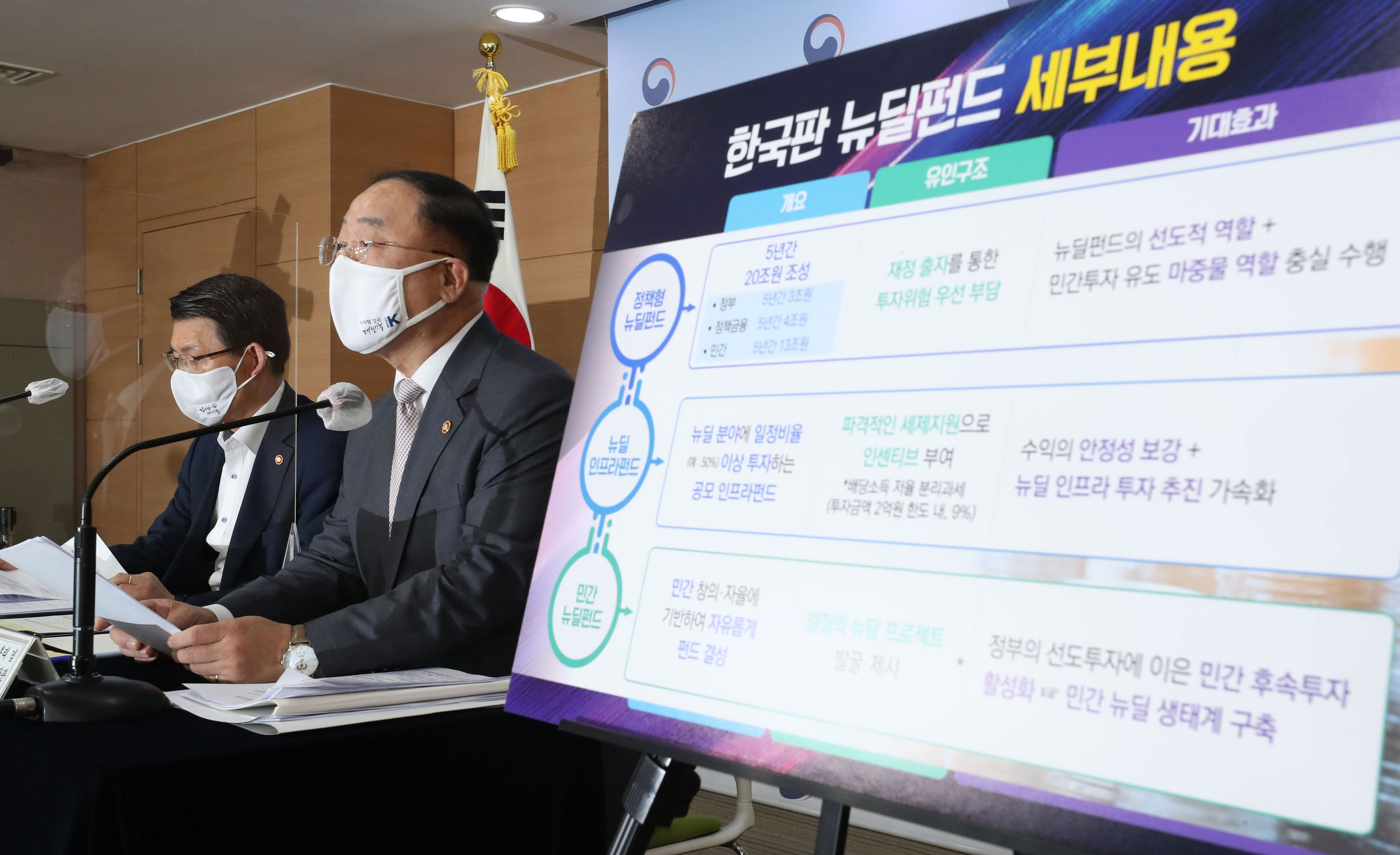
The Lee Jae-myung administration is not the first to introduce policy funds after taking office. Former President Moon Jae-in created a 20 trillion Korean won National Participation-type New Deal Fund, with co-investment from the government and private sector. Former President Lee Myung-bak, who promoted green growth, encouraged private-sector green growth funds by offering tax exemptions on dividend income taxes. Former President Park Geun-hye established Creative Economy Innovation Centers nationwide, each operating a Creative Economy Innovation Fund. Though the names differed, the common approach was to use government funds as seed money to attract private investment and stimulate corporate creativity and innovation.
The purpose of President Lee Jae-myung’s fund creation is similar to that of his predecessors. The difference lies in the larger proportion of direct government investment and the massive taxpayer funds involved. Half of the National Growth Fund—75 trillion Korean won—could become a fiscal burden if projects fail. The sovereign wealth fund also starts with tax-in-kind payments and state-owned assets. The Korea-U.S. Strategic Investment Fund requires government bond issuance, and the Strategic Export Finance Fund also needs fiscal funds or guarantees. President Lee Jae-myung allocated a budget of 7.28 trillion Korean won for 2026, an 8.1% increase from the previous year. With fiscal revenue unable to keep up, the government plans to issue 1.1 trillion Korean won in deficit-covering national bonds. In effect, the government is mobilizing part of the growing national debt for large-scale “debt-driven investments.”
“Targeting Hundreds of Trillions in Blind Money”
Historical policy funds have had four main issues. First, investment returns were not comprehensively managed, making it hard for citizens to verify policy effectiveness. Second, when administrations changed, new governments introduced funds with new names for political achievements, often leaving previous funds to fade. Third, organizations created to manage funds became job opportunities for retired politicians and bureaucrats. Fourth, creating new public agencies for fund management led to overlapping operational costs, and even if goals were achieved, it was difficult to disband the organizations. The result was wasted taxpayer money.
Experts view President Lee Jae-myung—who has extensive stock investment experience—as taking a massive “debt-driven investment” gamble, using national finances and future generations’ tax burdens as collateral. They analyze that the success or failure of this gamble could significantly impact national finances. How can taxpayer waste be minimized? Financial experts propose the following:
First, consolidate all funds into one and manage them under real names. They suggest naming the fund after President Lee Jae-myung—such as the “Lee Jae-myung Government Growth Fund”—to hold him accountable for returns during his term.
Second, prevent overlapping investments and reduce operational costs by managing funds through a single entity. Experts propose expanding the existing Korea Investment Corporation’s functions through legal revisions rather than creating new public agencies driven by the president’s desire for achievements. Once a new organization is created, it is difficult to disband later.
Third, create a system to disclose investment returns daily so citizens can clearly understand results. Comparing returns with indices like Korea’s KOSPI 200 or the U.S. S&P 500 would allow citizens to assess the “Lee Jae-myung Fund’s” performance.
However, it remains uncertain how much the government will accept these proposals. As President Lee Jae-myung pursues a large government while taking on massive debt, political and economic ministries are expected to intensify efforts to secure their shares. Additionally, financial companies eyeing lucrative fees and venture fraudsters hoping for non-repayable windfalls are joining the fray. Financial markets and venture industries are already drooling, saying, “Hundreds of trillions in ownerless blind money are pouring in. The first to take it gets to keep it.”


