
Neil Sedaka, a vibrant and energetic singer, pianist, and songwriter, passed away at the age of 86. Known for his catchy pop hits such as “Oh! Carol” and “Calendar Girl,” he had a unique ability to blend classical training with popular music. His career spanned several decades, marked by both early success and a notable comeback in the 1970s.
A Career Marked by Versatility
Sedaka’s journey began in the 1950s when he chose to pursue pop music over a classical career. His early songs, including “Happy Birthday, Sweet Sixteen” and “Breaking Up Is Hard To Do,” showcased his talent for creating memorable melodies. By 1963, his record sales had reached over 25 million, and his songs were being covered by other artists, contributing to his substantial royalties.
Despite the rise of the British Invasion in the mid-1960s, which temporarily overshadowed his career, Sedaka remained popular internationally. His songs were translated into multiple languages, allowing him to maintain a global fan base. In 1970, he moved to London and collaborated with future members of the band 10cc, further expanding his musical horizons.
A Comeback in the 1970s
Sedaka’s resurgence in the 1970s was largely due to the support of Elton John, who signed him to his Rocket label after meeting him at a party in 1973. This partnership led to the release of “Sedaka’s Back,” which included the No. 1 hit “Laughter in the Rain” and “Love Will Keep Us Together.” The latter became a significant success, even inspiring a Grammy-winning album by Captain and Tennille.
Sedaka continued to evolve as an artist, experimenting with different styles and influences. He credited his reinvention to listening to artists like James Taylor and Joni Mitchell, which helped him transition from his earlier pop hits to more sophisticated compositions.
Early Life and Musical Beginnings
Born in Brooklyn on March 13, 1939, Neil Sedaka came from a family that valued music. His parents, both piano players, recognized his talent early on. Sedaka attended Juilliard, where he showed promise as a classical musician. However, his passion for pop music grew during his teenage years, driven by a desire to fit in and connect with others.
His collaboration with Howard Greenfield began in the 1950s, leading to the creation of some of his most famous songs. Their partnership proved successful, especially when they worked with Connie Francis, whose recordings of their songs became hits.
Challenges and Resilience
Despite his early successes, Sedaka faced challenges, including the pressure to conform to industry standards. He once described how he analyzed Billboard charts to understand what made hits successful, leading to the creation of “Oh! Carol.” This song became a major hit and solidified his place in the music industry.
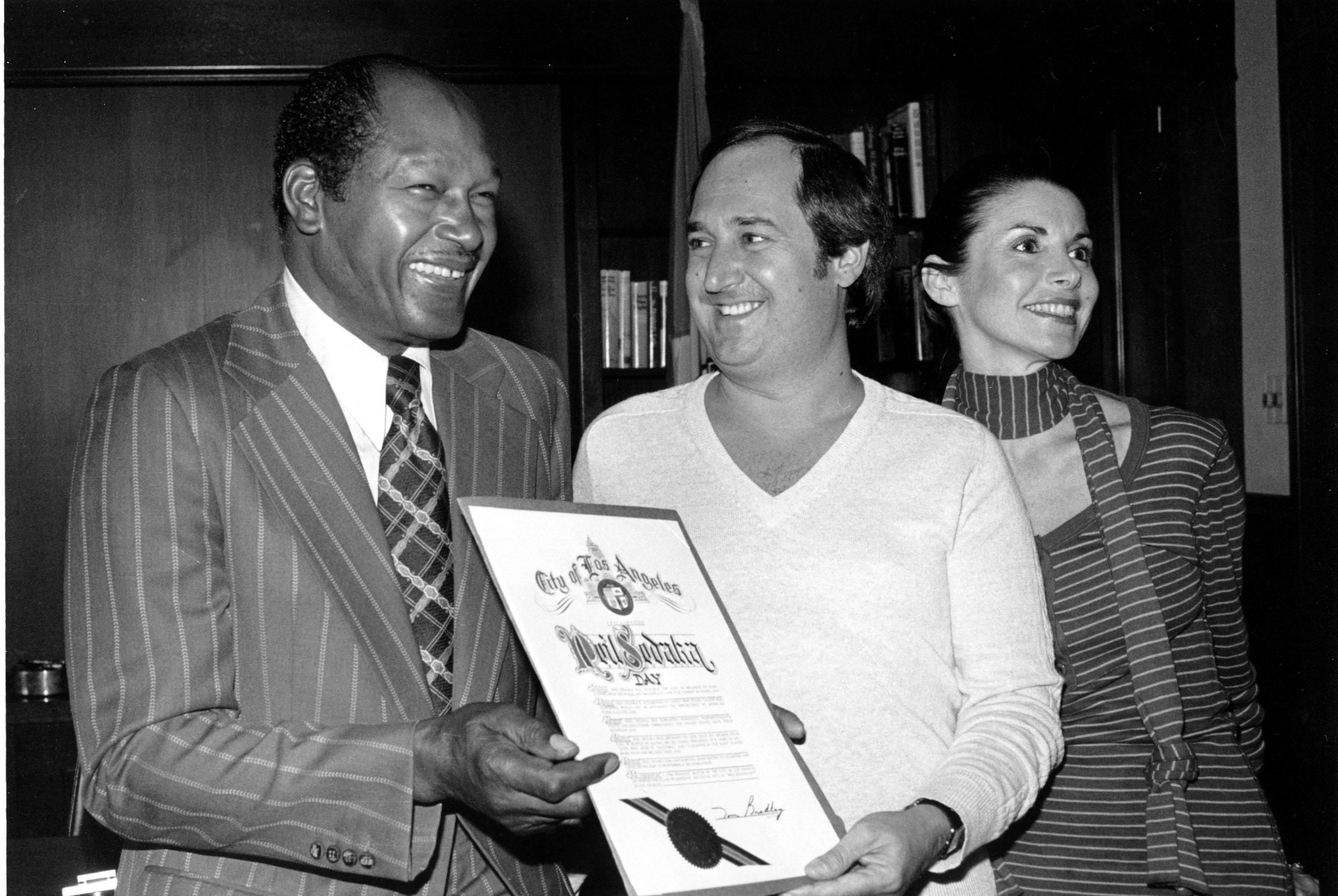
Sedaka’s personal life also had its share of difficulties. After his mother managed his finances, he discovered that his earnings had been misused. This experience led to financial struggles, but he eventually found stability in the 1970s.
Reconnecting with Classical Music
In the 1990s, Sedaka revisited his classical roots, releasing projects like “Classically Sedaka,” where he set lyrics to classical melodies. This work inspired him to compose original pieces in a classical style, including a symphonic work and a piano concerto.
Throughout his life, Sedaka remained dedicated to his craft, even adapting to new technologies. During the coronavirus pandemic, he continued to perform online, showing his commitment to his art.
Legacy and Lasting Influence
Neil Sedaka’s legacy is one of resilience, creativity, and adaptability. His ability to transition between genres and remain relevant throughout his career is a testament to his talent. Even in his later years, he continued to perform and inspire audiences, proving that music has no age limit.

Personal Life and Family
Sedaka married Leba Strassberg in 1962, and together they had two children, Dara and Marc. His daughter, Dara, followed in his footsteps as a singer, while his son, Marc, pursued a career in screenwriting. Despite personal challenges, Sedaka maintained a strong connection with his family.
Final Years and Reflections
Even in his later years, Sedaka remained active and engaged with his fans. He often spoke about the joy of performing and the importance of staying connected to his audience. His reflections on life and music continue to resonate with those who admired his work.
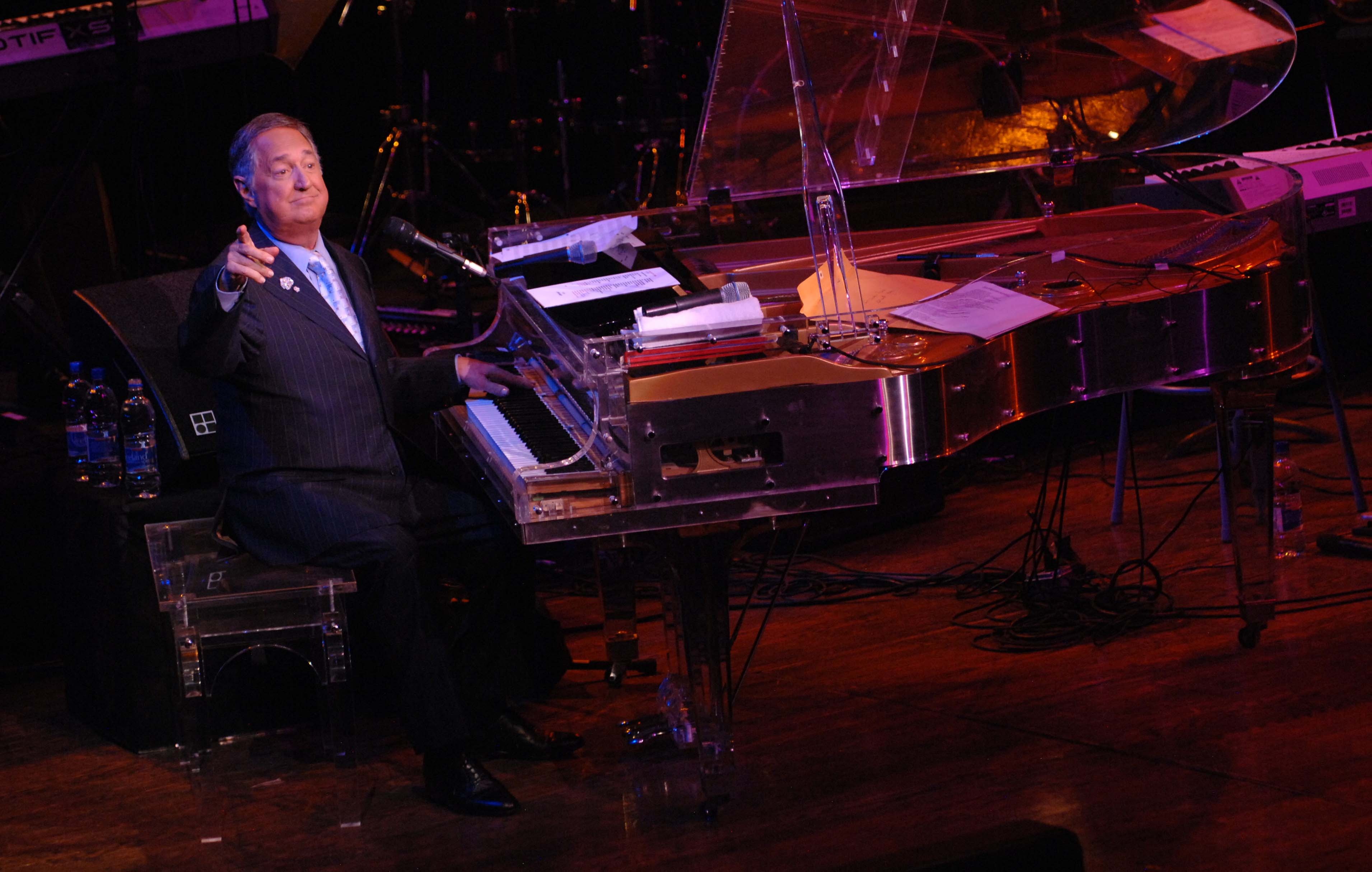
Neil Sedaka’s passing marks the end of an era for music lovers everywhere. His contributions to pop and classical music will be remembered for generations to come.