South Asian Nations Navigate Complex Geopolitical Landscape
The ongoing conflict in Iran has prompted a cautious approach from most South Asian countries, each navigating their own foreign policy strategies. While some have maintained a neutral stance, others have opted for a delicate balance, avoiding direct condemnation of US-Israel attacks while criticizing Iran’s actions against its allies.
India, for instance, condemned Iran’s attack on Gulf countries but did not publicly condemn the US-Israel strike on Iran. It also signed the condolence book following the death of Iran’s supreme leader, Ayatollah Syed Ali Khamenei. Bangladesh echoed similar sentiments, calling for restraint and dialogue while expressing sorrow over Khamenei’s assassination. Pakistan, which experienced violence that resulted in 20 deaths, mainly among Shias, criticized the US-Israel attack on Iran and emphasized the violation of international law. Sri Lanka and the Maldives followed suit, with the latter being the only South Asian country to cut ties with Israel after the attack on Iran.
Economic Concerns and Energy Dependence
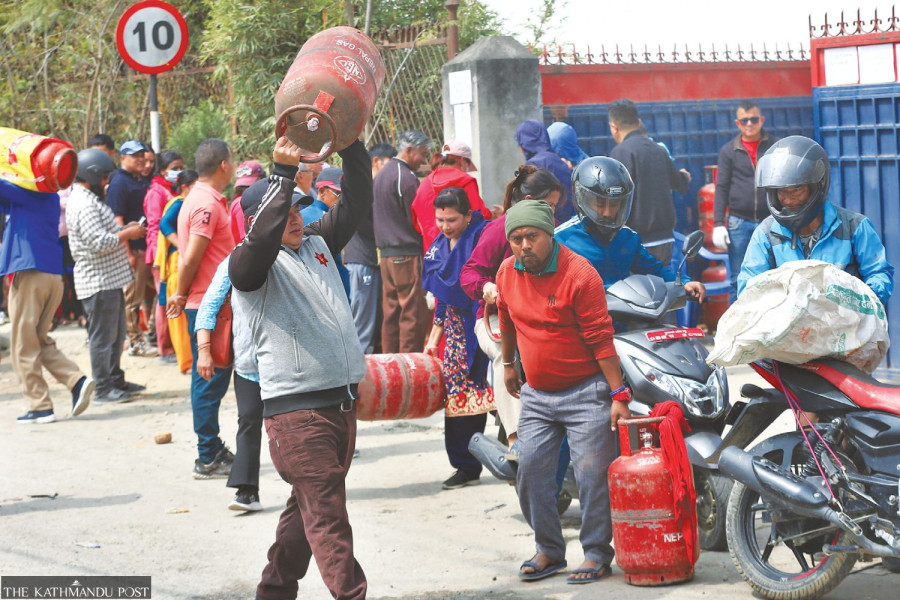
South Asian governments are acutely aware of the economic implications of the conflict, particularly regarding their Muslim populations, energy dependence on the Gulf, and remittances that form a significant portion of their GDP. India’s Prime Minister, Narendra Modi, raised concerns about the disruption of international waterways in the Strait of Hormuz, affecting energy imports. He assured citizens of continued supply of cooking gas and fertilizers, highlighting efforts to diversify import sources.
Bangladesh, heavily reliant on LNG imports from the Gulf, faced challenges with fuel rationing and school closures. India has stepped in to supply additional diesel to support Bangladesh. Sri Lanka, still recovering from an economic crisis, implemented measures such as a four-day work week and increased petrol prices. The Maldives, which spends $443.6 million annually on diesel imports, has requested India for petroleum supplies due to rising oil prices. Nepal has also raised petrol prices, with India considering supplying more fuel to meet demand.
Remittances and Migrant Workers
Remittances play a crucial role in the economies of South Asian countries. India received $40 billion in remittances from the Gulf last year, while Bangladesh received $15 billion, accounting for 59% of its total remittances. Pakistan received $26.5 billion, and remittances from the Gulf constitute 10% of Nepal’s GDP. However, the war has disrupted flights and led to the loss of migrant workers from South Asia.
Geopolitical Challenges and International Reactions
South Asian nations face the challenge of balancing relationships with the US, Gulf countries, and Iran. Pakistan, which shares a border with Iran and has defense cooperation with Saudi Arabia, is seeking to mediate. India, having established connectivity with Central Asia through Iran, advocates for peace and dialogue.
The recent torpedo attack by a US submarine on an Iranian Navy vessel highlighted the proximity of the conflict. India and Sri Lanka provided docking facilities to Iranian ships, demonstrating a nuanced approach. Sri Lanka claims neutrality, refusing requests from Iranian ships and the US to land fighter jets. India is also working with Iran to ensure safe passage for vessels carrying energy through the Strait of Hormuz.
Role of Multilateral Organizations
The conflict has exposed the limitations of multilateral organizations, with the United Nations appearing ineffective in addressing the crisis. South Asian countries have long emphasized the importance of these organizations in managing geopolitical tensions and have called for reforms. The UN’s silence on the US-Israel attack on Iran, despite criticism of Iran’s actions, underscores this issue.
Conclusion
The ongoing conflict in Iran presents significant challenges for South Asian nations, requiring careful navigation of diplomatic, economic, and security interests. As the situation evolves, the region remains vigilant, striving to maintain stability while addressing the broader implications of the conflict on their economies and global relations.