Political Parties Withdraw from Constitutional Taskforce
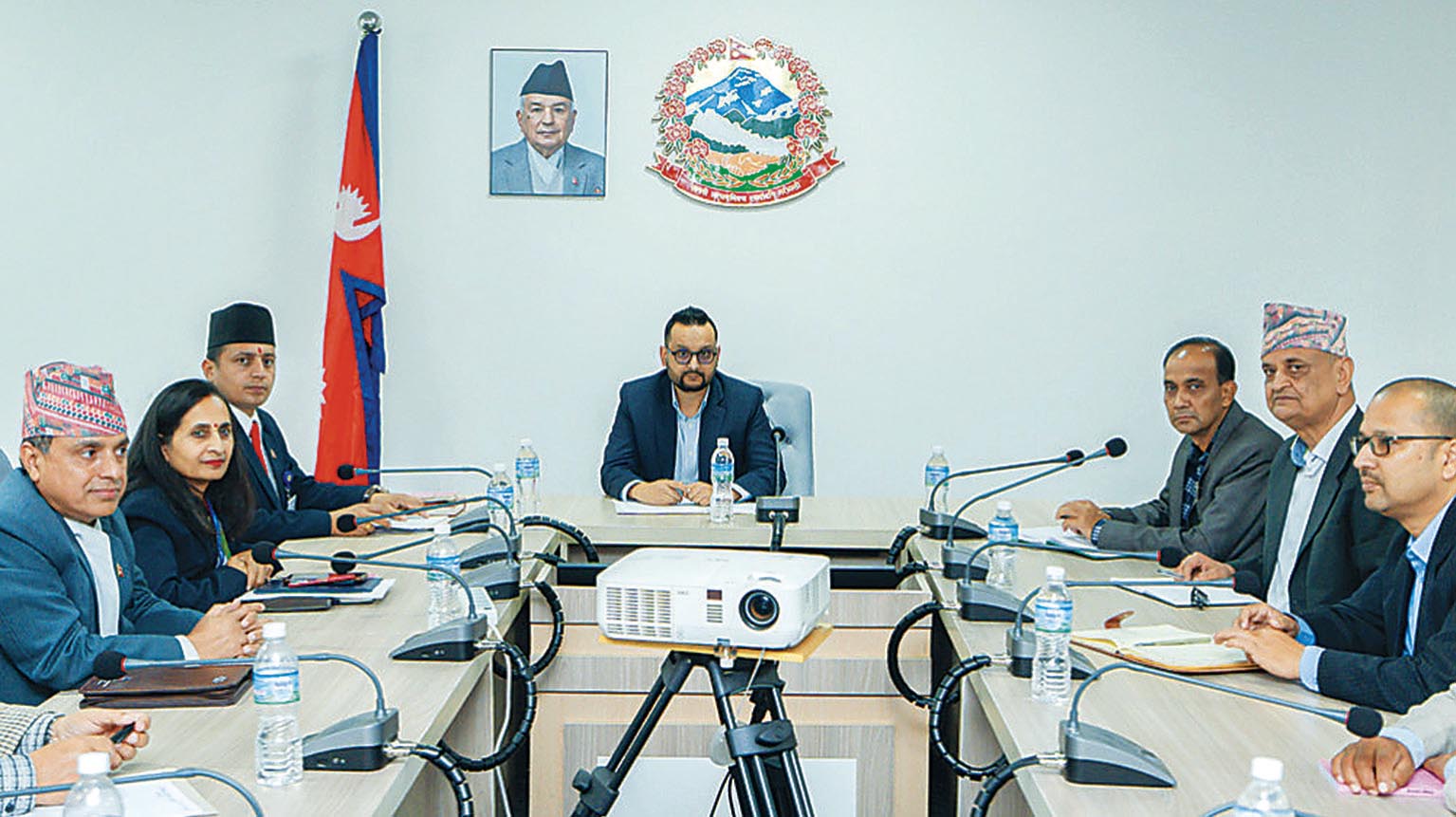
Kathmandu, July 8 — A government taskforce tasked with drafting a discussion paper on constitutional amendments has found itself in the middle of a political crisis. Several influential political parties have walked out of the process, raising concerns about the future of Nepal’s constitutional framework.
Representatives from four major political parties handed over a six-point dissenting memorandum to Asim Shah, the taskforce coordinator and political advisor to Prime Minister Balendra Shah. The Nepali Communist Party (NCP), Loktantrik Samajbadi Party (LSP), Janata Samajbadi Party (JSP), and Rastriya Janamorcha formally dissociated themselves from the panel, citing serious concerns over its intent and jurisdiction.
The taskforce was expected to complete its assignment within a strict 100-day deadline. However, the withdrawal of these parties has created uncertainty regarding the nation’s fragile constitutional consensus.
Public Criticism and Concerns
The dispute has escalated into public discourse. On Sunday, Gagan Kumar Thapa, President of the Nepali Congress, criticized the taskforce during a political address at the party’s central office. He described the government’s approach as immature and reckless, warning that the constitution should not be treated casually.
Thapa emphasized that the 2015 constitution was a hard-won document, shaped by historic struggles of various communities. He warned against reducing it to a “playground for populist whims.”
Following Thapa’s remarks, representatives from the four dissenting parties formalized their protest. They called for an immediate halt to the current discussion-paper formulation process and demanded that the preamble and foundational tenets of the constitution remain untouched.
Key Demands and Concerns
The dissenting memorandum, signed by Dev Gurung of the NCP, Laxman Lal Karna of the LSP, Surendra Jha of the JSP, and Manoj Bhatt of the Rastriya Janamorcha, outlined several key demands:
- Legal Validity: The panel’s legal standing is questioned, with concerns about the lack of clarity on its amendment agenda and jurisdiction.
- Public Mandate: Open-ended consultations across all clauses are seen as violating the public mandate.
- Constitutional Consensus: The 2015 constitution was forged through national consensus, and any changes must reflect this.
- Governance Mandate: The current government’s five-year term differs from a mandate to overhaul the constitution.
- All-Party Mechanism: There is a call for an all-party meeting to build genuine national consensus before any amendments are proposed.
Internal Conflicts and Criticisms
Dev Gurung, an NCP leader, accused the taskforce of overstepping its original boundaries. He stated that the panel had begun functioning like a supreme drafting committee rather than a balanced discussion group.
Laxman Lal Karna, a former lawmaker from the LSP, criticized the taskforce’s methods, particularly the door-to-door approach to collect opinions. He also raised concerns about the leadership’s intention to push through a final report based on internal majority voting rather than consensus.
Karna warned that revising the preamble could lead to institutional chaos, with different groups demanding conflicting changes. He argued that the taskforce lacks the mandate to make such decisions.
Bhishma Adhikari of the CPN-UML clarified that his party had never participated in the taskforce, maintaining that the constitution itself outlines the proper procedure for amendments.
Defense of the Taskforce
Asim Shah, the taskforce coordinator, defended the process, calling the walkout an act of political opportunism. He expressed disappointment that the opposition representatives chose to quit after participating for 83 days.
Shah claimed that the core identity of the constitution would remain protected and that the taskforce would meet its deadline, submitting the final report directly to the Council of Ministers.
Mohan Lal Acharya, a taskforce member and Rastriya Swatantra Party (RSP) lawmaker, accused the dissenting parties of manufacturing a crisis for media attention. He called their withdrawal politically irresponsible.
Pushkar Sapkota, the law secretary at the Office of the Prime Minister, urged political parties to set aside their suspicions, stating that the process is transparent and democratic.
Ongoing Challenges
Despite the withdrawal of major parties, the taskforce continues its work. It has reviewed historic reports from the original Constituent Assembly and compiled digital feedback from 44,700 Nepali citizens both at home and abroad.
However, with significant parliamentary forces now outside the loop, the fate of the proposed constitutional review remains uncertain. The political landscape is now more fragmented, and the path forward for constitutional reforms is unclear.