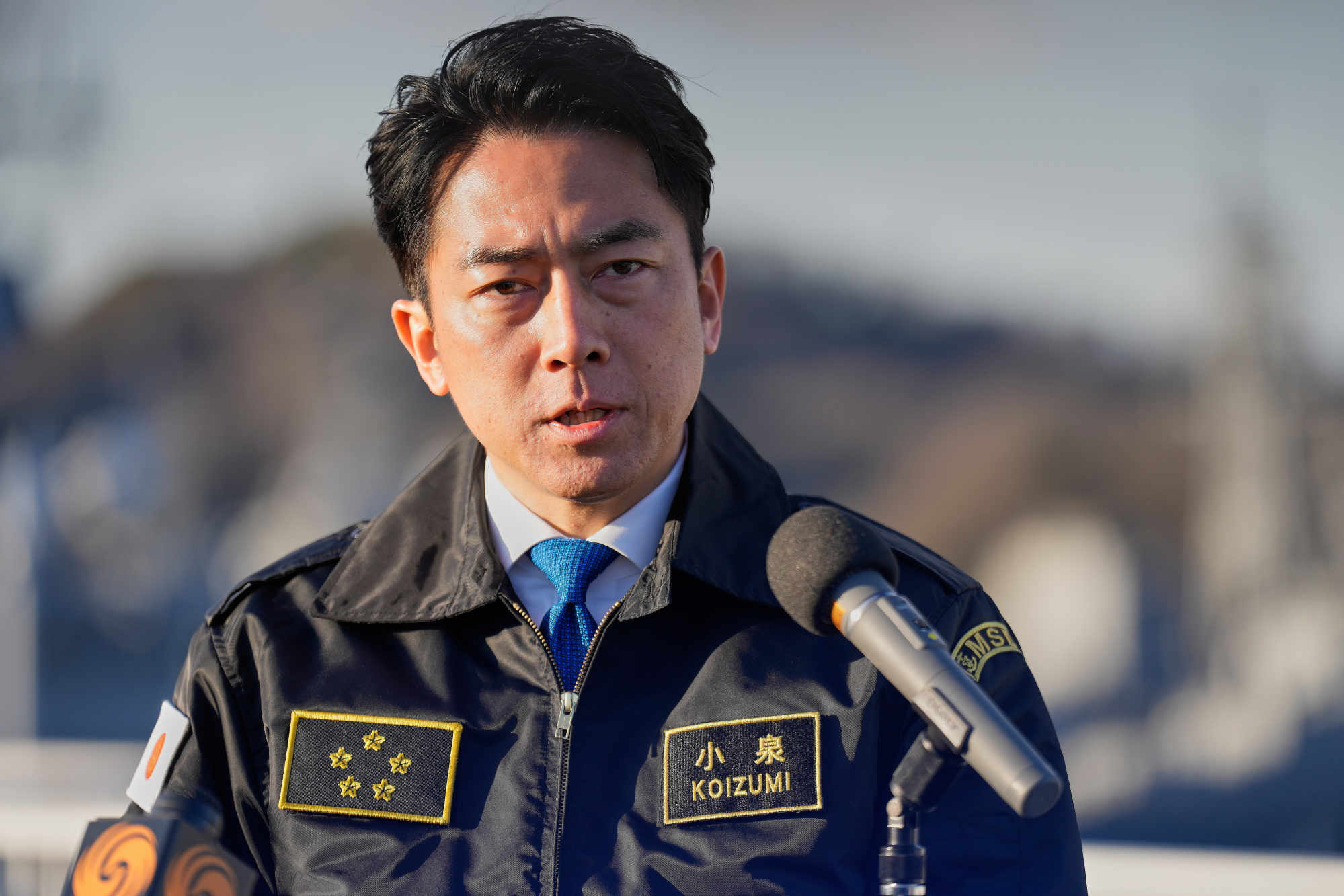
Defence Minister Shinjiro Koizumi rules out non-nationals in uniform, even as a report warns personnel levels could fall to 130,000 by 2045
By 2045, Japan‘s Self-Defence Forces (SDF) could shrink to 130,000 personnel – nearly half today’s strength. But Tokyo has already ruled out one think tank’s controversial fix: recruiting foreign nationals.
The proposal formed part of a report written by a panel of senior former defence bureaucrats and military chiefs, released by the Sasakawa Peace Foundation on September 2.
It attracted widespread comment, both supportive and critical, before Defence Minister Shinjiro Koizumi made the government’s position clear on Friday, stating he was “not considering” hiring foreign nationals for the armed forces.
Do you have questions about the biggest topics and trends from around the world? Get the answers with SCMP Knowledge, our new platform of curated content with explainers, FAQs, analyses and infographics brought to you by our award-winning team.
He acknowledged that “securing human resources is a major challenge in the context of the declining birth rate and ageing population”, but said the government was instead drawing up plans to address personnel shortfalls by improving conditions and facilities for serving members and their families, offering more support after they had left the armed services and expanding the use of technology such as AI.
Employers across Japan are struggling to find workers and analysts say the military holds little appeal for many young people.
While other countries allow non-nationals to serve – Britain, for example, recruits Commonwealth citizens – Japan has shown far greater reluctance to follow suit, a stance that coincides with hardening public opposition to immigration more broadly.
“There are just too many reasons, from the military, the government and the public, why this suggestion is not going to work,” a government adviser on national security told This Week in Asia.
“All arms of the SDF are understaffed at the moment and they are having problems retaining trained people. But this [proposal] has alarmed people.”
In military and government circles, officials argue that hostile countries could exploit the policy to infiltrate their own nationals into the SDF to obtain military secrets or defence plans, or even carry out sabotage and distribute propaganda, said the expert, who declined to be named.
Screening prospective recruits “would be a huge headache” for the Ministry of Defence, he added, and revive the wider debate over foreign nationals and naturalised citizens serving in the civil service or running for the Diet.
Opposition to foreigners defending Japan mirrors a broader rise in hostility towards their presence. A University of Tokyo study released last month found that 56.3 per cent of Japanese opposed allowing more foreigners to settle permanently, up 20.7 percentage points from a similar study in 2024. The shift was most notable among young people and those expressing a belief that “there is no hope for Japanese society”.
Given that sentiment, the timing of the Sasakawa report’s release was unfortunate. It was written by a panel that included Tetsuro Kuroe, a former vice defence minister; Koji Yamazaki, a former chief of staff of the Joint Staff; and Yutaka Murakawa, a former chief of staff of the Maritime Self-Defence Force.
It noted that current policy required Japanese nationality for public servants involved in “the exercise of public authority and the formation of national will”, but argued that certain SDF roles fell outside this definition – pointing to Britain, the US and Australia as countries that had successfully integrated foreigners into the military.
The report also warned that Japan’s demographic decline was becoming more of an issue. As the population shrinks, the number of 18- to 32-year-olds eligible to apply to the SDF has fallen to less than 40 per cent of the total three decades ago.
Recruiters are falling short of annual targets and the Ministry of Defence estimates that, if current trends continue, personnel levels could fall from 220,000 today to around 180,000 by 2035 and just 130,000 by 2045.
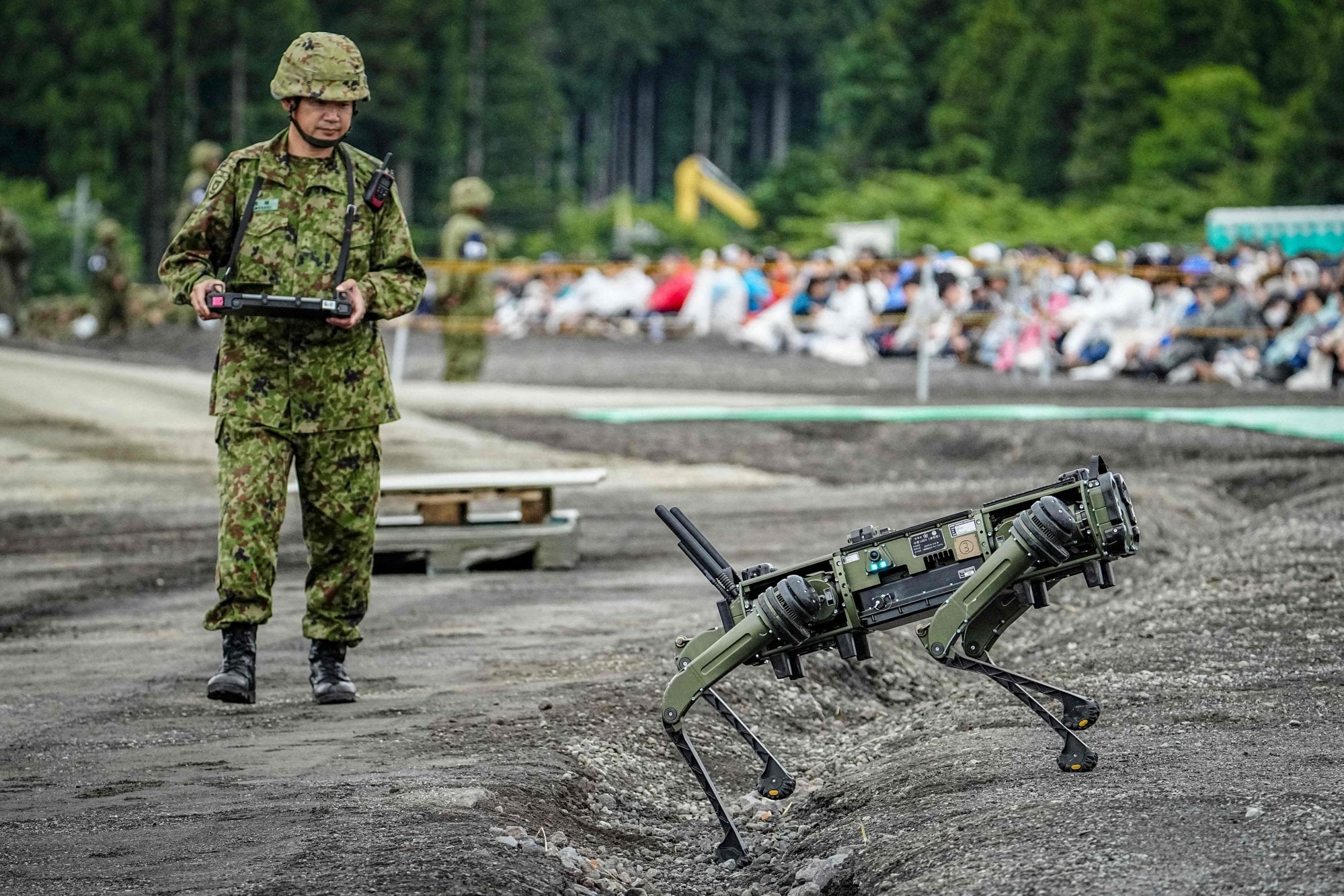
Garren Mulloy, an international-relations professor at Daito Bunka University and a specialist in military affairs, said it was “unfortunate” that Japanese media had focused almost exclusively on the foreign-recruitment proposal, which accounted for just two pages of the 38-page report.
Japan needed to seriously confront the future of its armed forces, he said.
“Young people are not joining in the numbers required to keep levels up, the junior ranks are particularly short of personnel and the average age of the troops is increasing,” Mulloy said.
He noted, however, that scope might still exist for recruiting foreign nationals into support roles such as logistics, medical care, weapons development at government-affiliated research institutions, or work at private defence technology companies.
Mulloy also suggested that recent measures making it harder for foreigners to settle in Japan – including stricter visa rules and higher fees – were partly designed to reassure voters at a time when far-right parties such as Sanseito were stoking public anxiety about foreign nationals.
Social media commentary has been overwhelmingly supportive of Koizumi’s rejection of the proposal.
“In Japan’s case, the hypothetical enemy is China,” read one comment under a Yomiuri newspaper report on Friday. “But the largest group of foreigners in Japan are Chinese nationals, so … the majority of the candidates would inevitably be Chinese.”
Another commenter put forward a proposal that could prove just as contentious: “Japan should be protected by Japanese people. I believe the solution to the personnel shortage is to revive conscription like other countries.”
More Articles from SCMP
Qatar’s PM vows to prioritise China’s energy supply amid Middle East tensions
How China’s Belt and Road Initiative is shifting to green energy and private investment
China’s HQ-17AE Shorad system to boost Pakistani drone defence as India tensions simmer
Elon Musk says Tesla has a rare-earth-free motor. Should China be worried?
This article originally appeared on the South China Morning Post (www.scmp.com), the leading news media reporting on China and Asia.
Copyright (c) 2026. South China Morning Post Publishers Ltd. All rights reserved.

Related posts:


Japan’s protest over Russian soldier statue aggravates ‘summer of tension’

Nepal announces ‘scholarship bank’ for children orphaned or displaced by floods

Pakistan’s Enduring Commitment to Religious PluralismPublished on: September 10, 2026 4:31 AM

63% reject Yong Hye-in nomination, 47% criticize Kim Seung-won’s