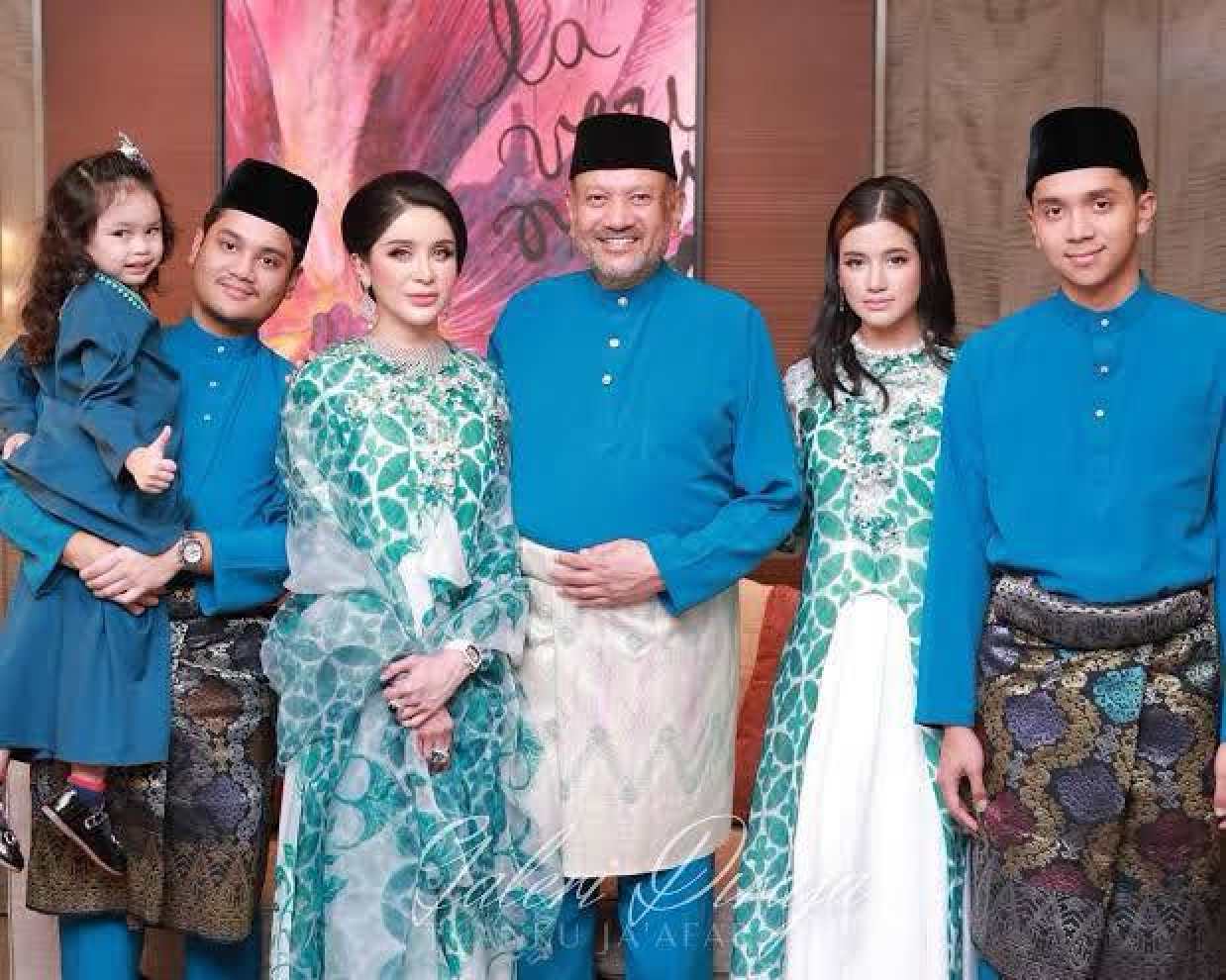
What began as a customary dispute over a throne has left an administration purged and a state in legal limbo
The dust has yet to settle in Malaysia‘s Negeri Sembilan, where a royal row has led to the fall of a state government and left the public wondering who, exactly, is in charge.
Observers warn that the months-long constitutional crisis could create ripple effects well beyond the state’s borders, testing the entire nation’s systems of monarchy and government.
The dispute centres on which of two men: the incumbent, Tuanku Muhriz Tuanku Munawir, or his intended replacement, Tunku Nadzaruddin Tuanku Ja’afar, is the legitimate ruler of Negeri Sembilan.
Do you have questions about the biggest topics and trends from around the world? Get the answers with SCMP Knowledge, our new platform of curated content with explainers, FAQs, analyses and infographics brought to you by our award-winning team.
It all began on April 19, when the state’s four territorial chiefs, known as undangs, issued a joint proclamation removing Muhriz from the throne over allegations of misconduct and naming Nadzaruddin as his immediate replacement.
Negeri Sembilan is the only Malaysian state whose royal house practises an elective monarchy instead of automatic succession by birthright.
Rooted in a centuries-old matrilineal customary system called adat pepatih, succession is decided by the four undangs, who are constitutionally empowered to choose the state’s ruler, bearing the official Malay title of Yang di-Pertuan Besar.
Muhriz’s office disputed the April 19 decision, however, arguing that there was no evidence to support the claim and that two of the undangs seeking to dethrone him had been removed from their positions before the proclamation was made.
This led to the group of four filing an application for a judicial review in May at the Seremban High Court, seeking to compel the state’s chief minister to sign and carry out their proclamation.
The political drama also spread beyond the royal court. A week after the proclamation, all 14 elected Umno state-level representatives announced they had quit the state administration – led at the time by Prime Minister Anwar Ibrahim‘s Pakatan Harapan (PH) coalition – for failing to carry out the order.
Aminuddin Harun, then the chief minister, said it was not for him to decide on the status of the ruler as that responsibility fell on the Dewan Keadilan dan Undang, the state’s highest customary council.
The walkout left PH with a razor-thin majority in the 36-seat state assembly, enough to force a state election in August that saw the United Malays National Organisation win power back after less than a term as a junior partner in the state government.
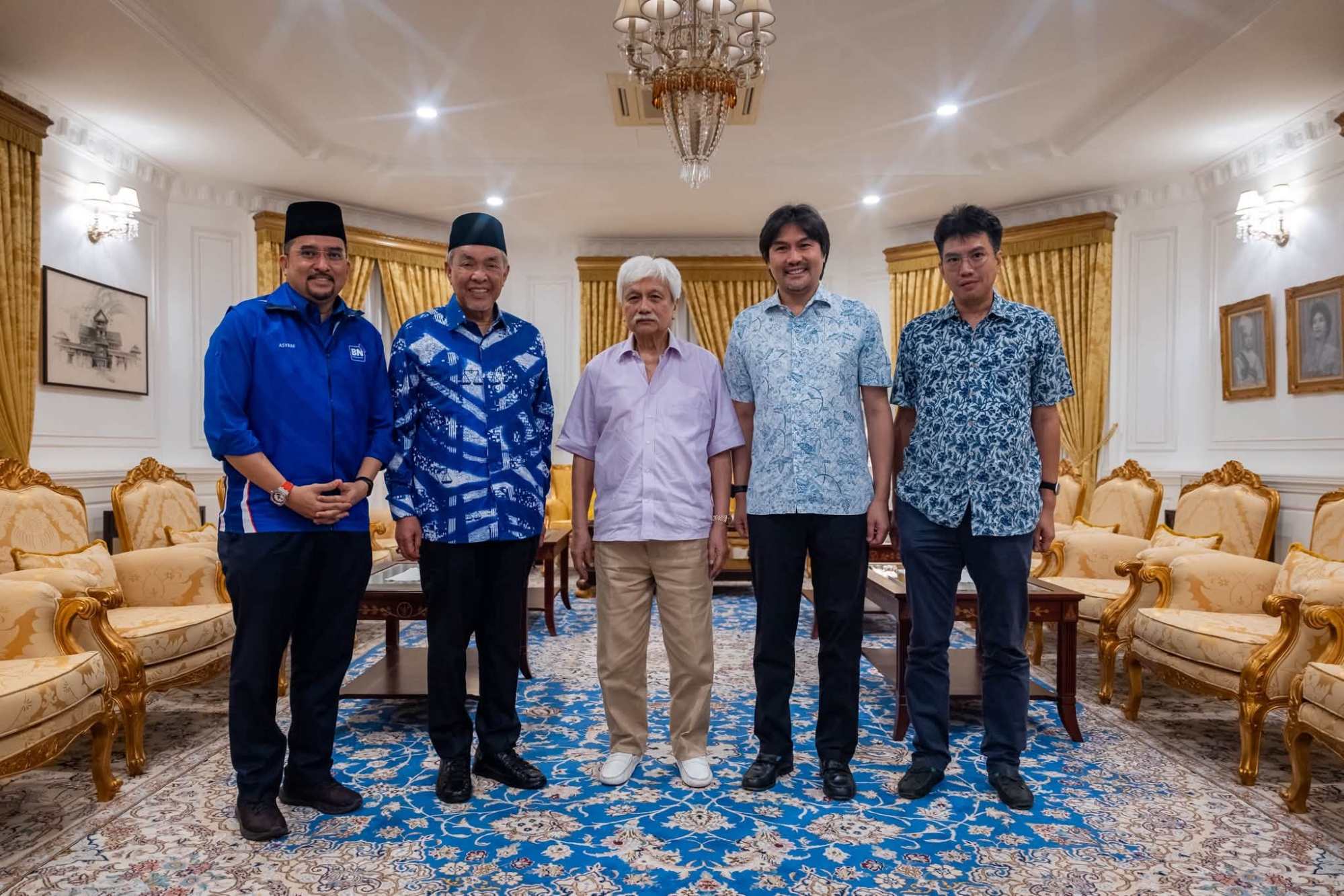
At Muhriz’s behest, veteran state Umno leader Ismail Lasim was appointed as chief minister on August 2, a day after the state election.
A few days later came the appointment of his 10-member state executive council, made up almost entirely of party colleagues. Barely a month into its term, the council issued a September 15 statement unanimously backing the undangs‘ April 19 proclamation.
The Attorney General’s Chambers in Putrajaya later rejected this move, stressing that the proclamation did not meet constitutional requirements. The state secretary of Negeri Sembilan also refused to carry out the order, citing the federal attorney general’s position.
Retaliation from the palace came swiftly. On September 20, Muhriz decreed that the entire state executive council, minus the chief minister, was to be dismissed with immediate effect for violating its oath of office by seeking to remove him as ruler. Councillors were then barred from their offices, as police tightened security at the state administrative building.

“It’s been a disaster for the state government,” said Lim Wei Jiet, a practising lawyer and constitutional legal expert. “You have one chief minister without any executive councillors to assist in the administration of the state.”
The absence of an executive leadership may not have an immediate effect on how Negeri Sembilan is run, thanks to established laws and state-level administrative procedures.
But analysts said problems could arise when civil servants needed the authorisation of senior figures to proceed, as the row between the executive council and state secretary over gazetting the April proclamation showed.
“The greatest immediate danger is not necessarily the complete paralysis of government, but the emergence of competing centres of constitutional authority,” said Awang Azman Pawi, dean of the University of Malaya’s Academy of Malay Studies.
“The longer this uncertainty continues, the greater the risk that what began as a royal and customary dispute becomes a problem of governance.”
The fallout from the royal ruckus also threatens to spread beyond Negeri Sembilan, especially with the attorney general’s direct intervention in the interpretation of the state’s constitution.
By drawing a line in the sand, the federal government has placed itself in direct conflict with a state administration, observers warn.
“Obviously two positions cannot be correct at the same time. It has to be resolved one way or another, either through the courts or otherwise,” Lim said.
“It’s not ideal, and this will not set a good precedent moving forward if there are differences in the selection of the ruler in other states, [especially] when it conflicts with the federal government’s position.”
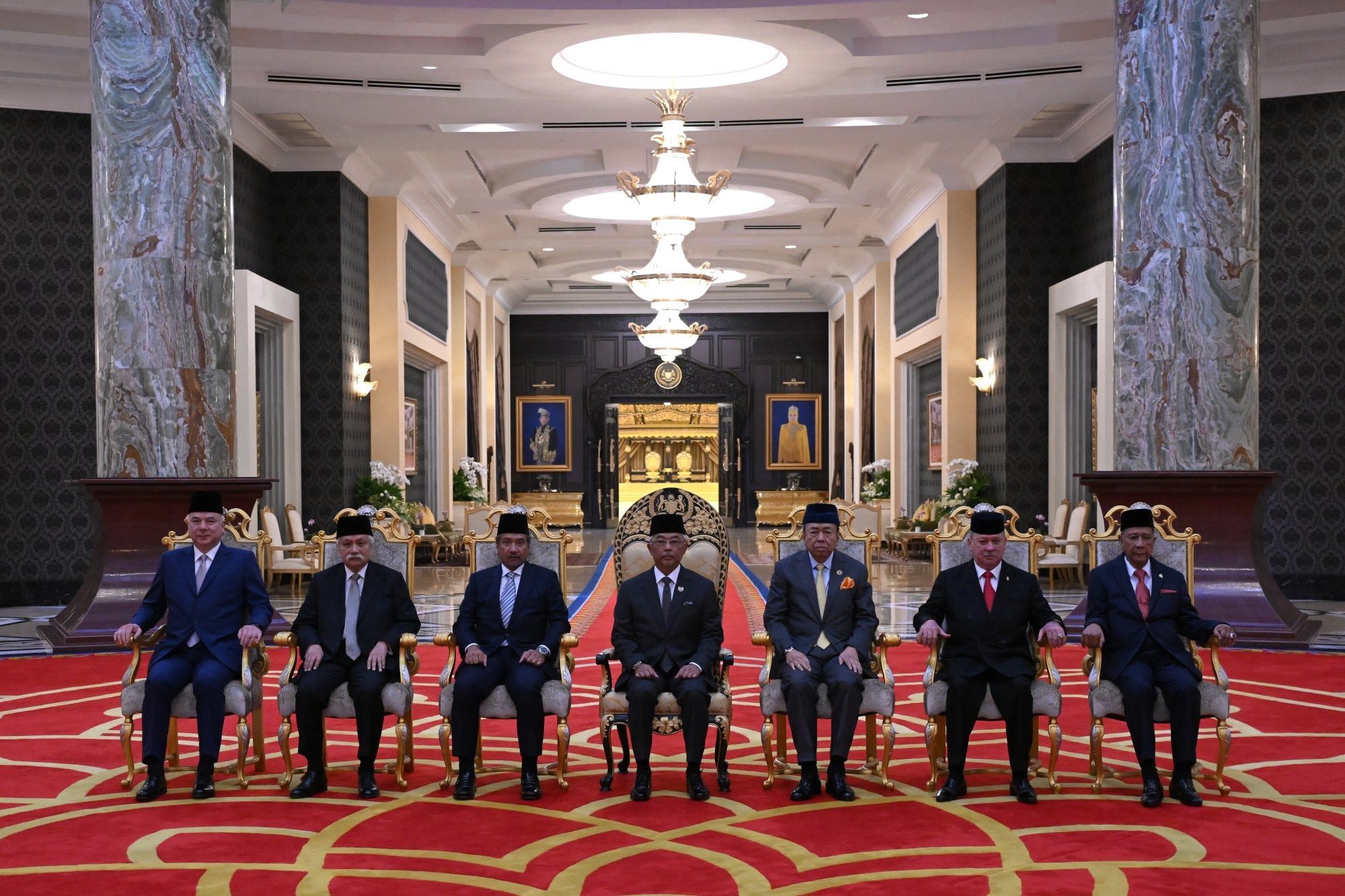
Meddling in royal affairs is a risky proposition for Malaysian politicians.
Malaysia’s nine royal houses are widely considered sacred, especially by the Malay-Muslim majority who make up about 60 per cent of the country’s 34 million people and whose support is vital for any political party seeking legitimacy to govern.
Awang Azman said any attempt to exploit a royal dispute for political advantage would likely bring only short-term gains. More importantly, he said it risked unravelling the country’s constitutional system, in place since independence from Britain in 1957.
“It is a test of whether Malaysia’s constitutional system can manage an exceptionally complicated dispute involving written law, customary authority, elected government and the royal institution without allowing those institutions to collide irreparably,” Awang Azman said.
“Winning the immediate argument is less important than ensuring that, when the dispute finally ends, the authority of the Negeri Sembilan government, its constitutional monarchy, its adat [customary] institutions and the rule of law all remain intact.”
More Articles from SCMP
Hong Kong records 21 mpox cases since August, high-risk groups urged to get jabs
This week in PostMag: the collectors preserving art, design and cultural heritage
Taiwanese leader welcomes talks between Washington and Beijing ‘to reduce risk of war’
SCMP Best Bets: Dragon a Force to be reckoned with at Sha Tin
This article originally appeared on the South China Morning Post (www.scmp.com), the leading news media reporting on China and Asia.
Copyright (c) 2026. South China Morning Post Publishers Ltd. All rights reserved.