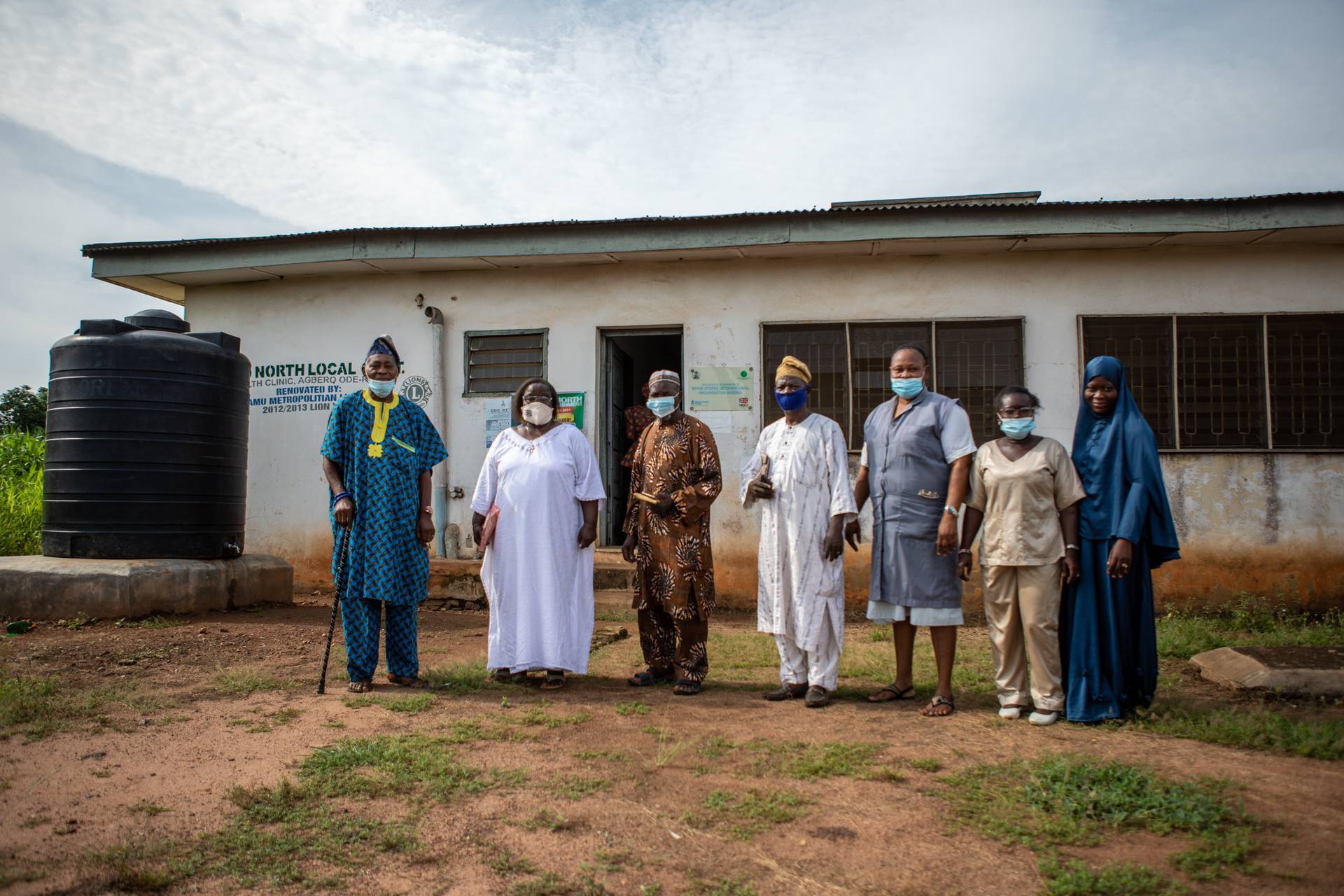
The Struggle of Nigeria’s Healthcare Sector
Nigeria’s healthcare sector has been facing a series of challenges that have significantly impacted the quality and accessibility of medical services across the country. These issues are deeply rooted in government shortcomings, which have led to a number of critical problems. Among these are the exodus of skilled healthcare professionals, known as brain drain, the lack of adequate and well-maintained medical facilities, insufficient funding, and frequent strikes by medical personnel in both federal and state-owned hospitals. Additionally, the low remuneration for healthcare workers has further exacerbated the situation.
The healthcare sector is a fundamental pillar of any nation, providing essential services that directly affect the well-being of its citizens. When a country neglects this sector, it risks exposing its population to severe and potentially life-threatening conditions. Therefore, it is the responsibility of the government to ensure that healthcare services are not only available but also efficient and effectively delivered to all.
The Financial Impact of Medical Tourism
One of the most pressing concerns in Nigeria’s healthcare system is the significant financial loss attributed to medical tourism. According to the World Health Organization (WHO), Nigeria loses approximately $1.2 billion annually due to the fragility of its medical sector. This loss is closely tied to the shocks often experienced by the country’s health system, including epidemics, pandemics, and chronic stressors such as poor funding and persistent strikes. These factors contribute to the outflow of funds from the Nigerian economy, with many citizens opting to seek medical treatment abroad.
This issue was highlighted by Femi Adesina, former Special Adviser on Media and Publicity to former President Muhammadu Buhari. Adesina noted that the late president might not have survived his health challenges if he had relied solely on Nigeria’s healthcare system. He defended the decision to seek treatment abroad, citing the medical expertise available overseas and the limitations of Nigeria’s health infrastructure at the time. This raises an important question: who is responsible for the persistent weaknesses in the nation’s healthcare sector?
Economic Implications and Data Insights
Recent data from the Central Bank of Nigeria (CBN) reveals that Nigerians spent at least $29.29 billion on medical treatment abroad during the eight-year tenure of former President Muhammadu Buhari. This averages to about $3.6 billion annually over the period. The data underscores the extent of Nigeria’s reliance on foreign healthcare, with consistent outflows of funds for medical purposes each year, even amidst domestic economic challenges and persistent dollar shortages.
The $1.2 billion lost annually due to medical tourism is a critical issue that cannot be ignored. If this substantial sum were redirected towards addressing key challenges within the healthcare system, it could potentially revitalize the sector. A logical starting point would be improving the remuneration and benefits of health workers, which is a major factor behind the migration of medical professionals seeking better opportunities abroad.
Decline of Government-Owned Hospitals
Once a source of national pride, government-owned hospitals in Nigeria were renowned for their cutting-edge medical equipment and highly skilled personnel, rivaling top healthcare institutions around the world. However, today, that legacy has faded. Across the country, many of these public health facilities now struggle with crumbling infrastructure, inadequate equipment, and poor management. Meanwhile, those in power, tasked with overseeing these institutions, routinely seek medical care abroad, spending an estimated $1.2 billion annually on foreign healthcare. This trend not only drains vital resources from Nigeria’s health sector but also leaves ordinary citizens dependent on underfunded and neglected hospitals, many of which appear to have been abandoned by the very system meant to support them.
The Role of the Nigerian Medical Association
On July 23, the Nigerian Medical Association (NMA) suspended medical services nationwide because the government has failed to meet its critical demands. These demands are essential for the survival of Nigeria’s healthcare system and the well-being of medical professionals across the country. The industrial action taken by the NMA highlights the urgency of addressing the systemic issues plaguing the sector.
It is clear that the Nigerian people will bear the brunt of this industrial action. The question remains: must we continue to pour billions into other countries through medical tourism while our own health sector collapses? Isn’t it time we invested those resources into rebuilding our healthcare system? Can we, for once, prioritize our own and offer our medical professionals competitive remuneration and create conditions that encourage them to stay and serve in Nigeria?
Let us channel these vast funds into equipping our government hospitals with world-class medical tools and infrastructure. Let’s make this change, not just for ourselves, but for future generations. Do this for Nigeria. Do this for the generations to come. God bless Nigeria.


