Agricultural Reforms in Jigawa State: A New Era of Development
Jigawa State has taken significant steps to transform its agricultural sector through the Jigawa Agro Extension initiative. This comprehensive reform aims to address longstanding issues such as manpower shortages, limited mechanization, and the challenges faced by farmers. The initiative is designed to enhance extension services, improve productivity, and ensure sustainable development in the region.
Addressing Manpower Shortages
One of the key components of the J-AGRO project is addressing the critical shortage of extension agents. According to Dr. Saifullahi Umar, the Technical Adviser on Agriculture to the governor, the previous system was overburdened. He explained that less than 300 extension agents were serving over one million farmers, which meant each agent was responsible for around 30,000 farmers—an unsustainable ratio.
To rectify this, the government recruited 1,435 agriculture graduates, increasing the total number of extension agents to approximately 1,700. This change reduced the farmer-to-agent ratio to one per 600 farmers, significantly improving the quality of service provided to rural communities.
Capacity Building and Partnerships
Beyond recruitment, the state has invested heavily in capacity building. Collaborations with international agencies such as the UK-funded POPCORN, the International Fertiliser Development Centre, and Africa RISE have led to training programs focused on modern crop and livestock practices. These partnerships have equipped extension agents with the knowledge and skills needed to support farmers effectively.
Additionally, the government distributed 600 motorcycles to extension agents, ensuring that every political ward has at least five trained officers stationed there. This move has improved accessibility and responsiveness to farmers’ needs.
Mechanisation Challenges and Solutions
Mechanisation has been a major challenge in the state’s agricultural sector. Despite the procurement of over 1,000 tractors by previous administrations, fewer than 10 were functional. The reasons included mismanagement, lack of spare parts, and a shortage of skilled technicians.
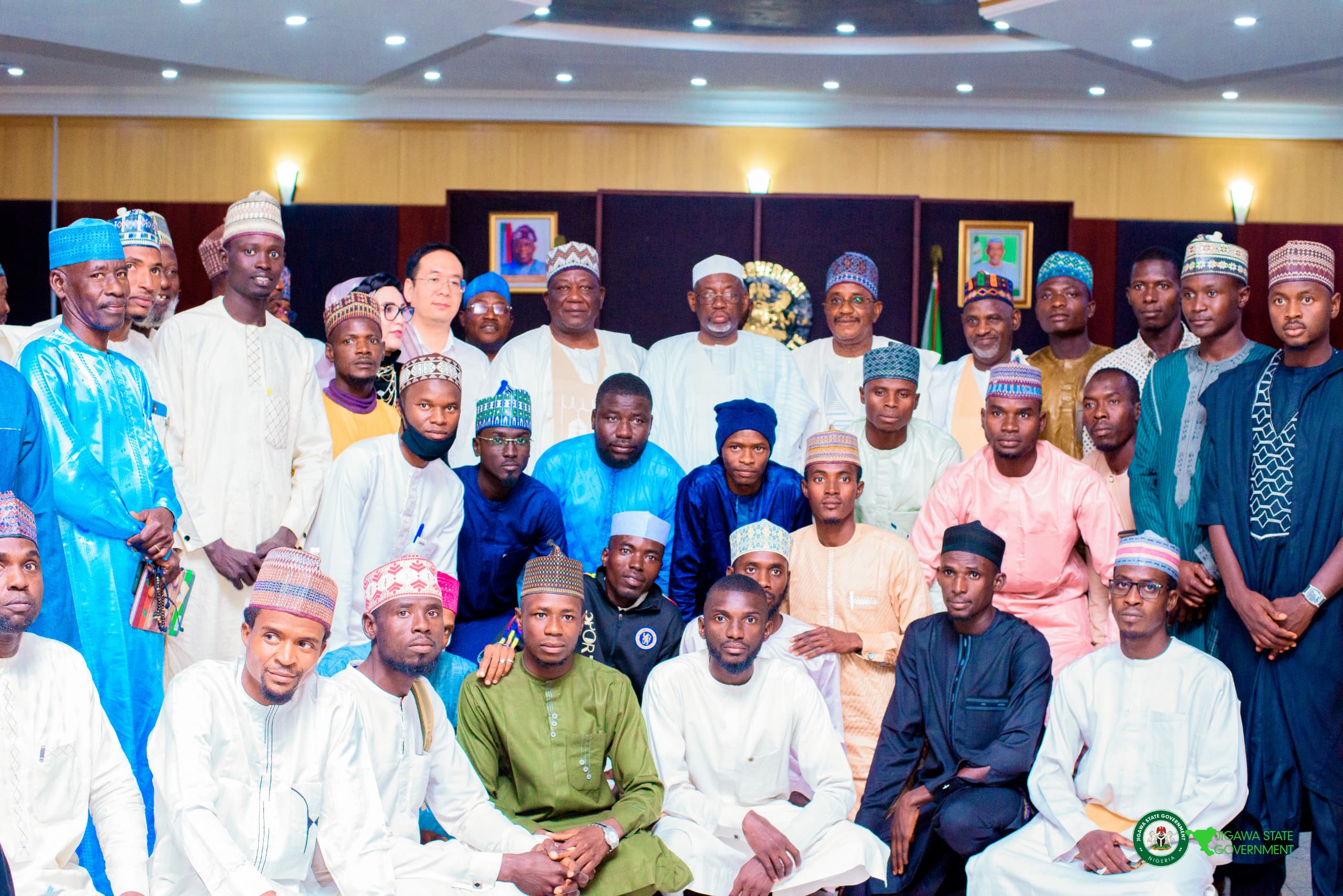
To tackle these issues, the government sent 30 master technicians to China for advanced training in tractor assembly and maintenance. Each state constituency now has at least one trained engineer, while Chinese partners supplied two years’ worth of spare parts to ensure long-term sustainability.
Ongoing Challenges
Despite the progress made, several challenges persist. Dr. Umar highlighted climate change, high input costs, financing constraints, flooding, low literacy among farmers, and policy inconsistencies as ongoing hurdles. For instance, a 10-day heatwave once drastically reduced wheat yields, and delays in input delivery continue to undermine productivity.
Fertiliser remains a pressing issue for farmers, with prices reaching N60,000 per bag. Cultivating a hectare of rice can cost over N1.5 million when including labor and other inputs. To alleviate this burden, the government procured 80 trucks of fertiliser and subsidized prices by 20 percent. However, officials acknowledge that this is only a small step compared to the overall demand.
Future Plans and Vision
The Jigawa Agric Technical Adviser also outlined plans to revive the moribund fertiliser blending plant. This initiative aims to attract private investment into both organic and chemical fertiliser production, ensuring a sustainable supply for farmers.
Through these initiatives, the state government is determined to transform Jigawa into a model for agricultural development in Nigeria. By balancing manpower, technology, and farmer support, the state aims to boost productivity and achieve food security.


