The Cost of Recycling and the Success of a Football Event
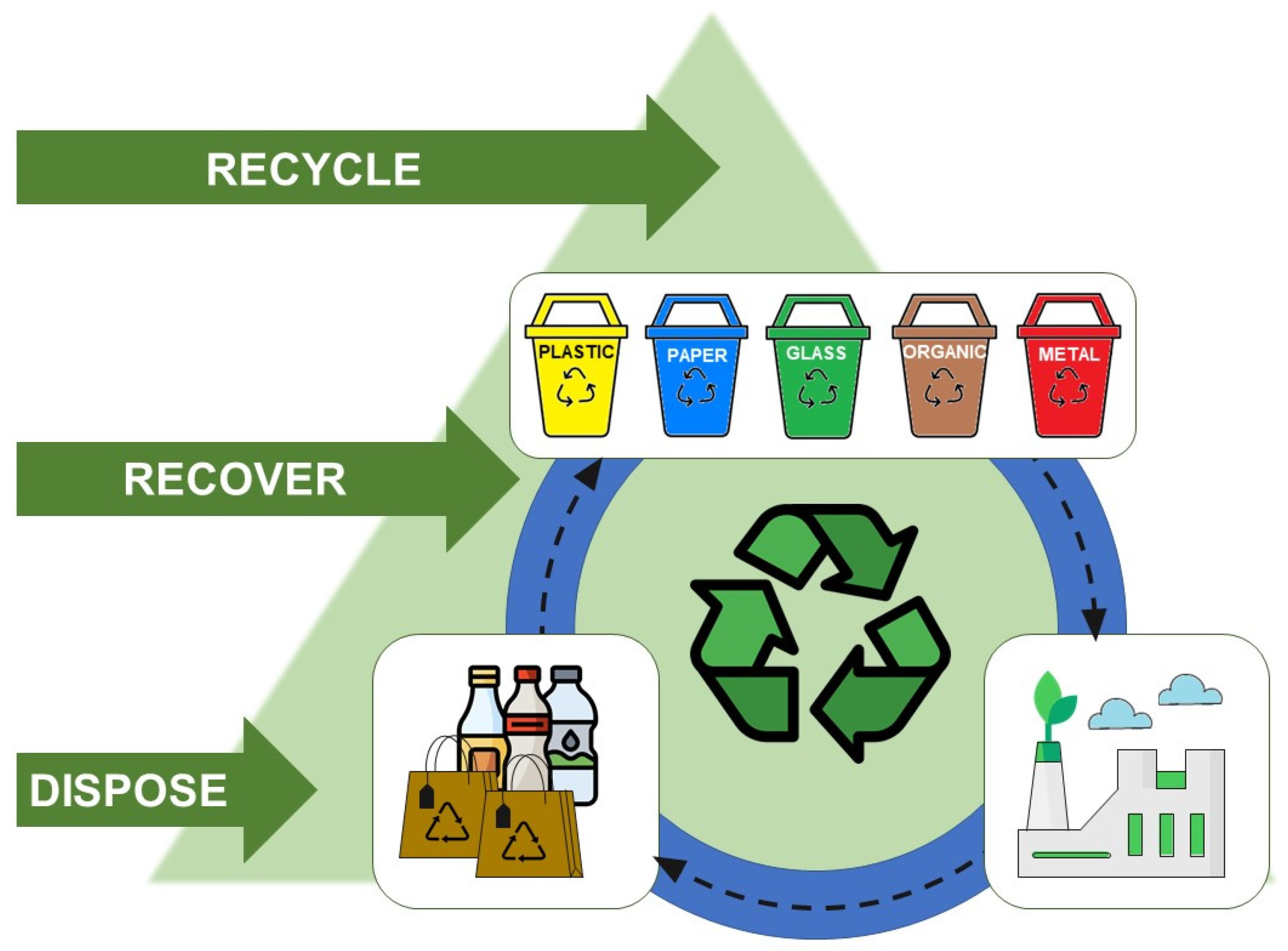
Recycling is often seen as a vital component of environmental sustainability, but it comes with significant financial implications. Despite government efforts to reduce waste, municipal solid waste (MSW) reached 11,358 tonnes per day in 2021, or 1.53kg per person per day. However, by 2023, this figure had dropped slightly to 10,884 tonnes per day, or 1.44kg per person per day, largely due to increased recycling efforts.
While recycling is generally more environmentally friendly than landfill disposal, certain materials can be particularly costly to recycle. For example, recycling low-density materials such as plastics and small waste streams like glass and yard waste requires substantial investment. According to recent data, recycling one tonne of plastic drink bottles through a reverse vending machine costs approximately HK$33,333, while recycling through popular stores costs around HK$10,656. In comparison, sending one tonne of waste to a landfill costs only HK$272. These figures highlight the economic challenges associated with recycling.
However, not all recycling is financially burdensome. Waste electrical and electronic equipment (WEEE) recycling, for instance, has been profitable thanks to producer responsibility schemes. In 2023, each tonne of WEEE recycled through these schemes earned about HK$3,431. This demonstrates that the “polluter pays” principle can help offset the costs of recycling.
Despite these successes, there are concerns about the long-term sustainability of free recycling services, especially when the government faces financial constraints. Experts suggest that introducing appropriate producer responsibility schemes for items like general plastic packaging, single-use paper cups, and batteries could help cover recycling costs. Additionally, a simplified waste charge could support the financial health of the recycling sector and the broader economy.
A Successful Football Festival
The Hong Kong Football Festival last month was a prime example of how a large-scale sports event can be executed successfully with the right elements in place. The Kai Tak Sports Park provided an excellent experience, with air-conditioned facilities, efficient public transport, and nearby shopping centers. The event also featured a variety of activities, including an open training session and a full match, making it accessible for families.
For many attendees, the festival was a positive experience, especially for those with young children. The availability of affordable tickets for the training session allowed families to enjoy the event without the burden of high costs. The atmosphere at the stadium was also notable, with fans from both rival teams creating a lively and competitive environment.
Cathay Pacific’s Heartwarming Gesture
Beyond its usual challenges, Cathay Pacific has shown compassion through acts of kindness. The story of teenager Chen Tsz-kin and his friend Alex Cho, who were given a memorable visit to Cathay City, highlights the airline’s commitment to supporting individuals with disabilities. Their journey exemplifies how companies can make a meaningful difference in people’s lives.
Other Notable News
Recent developments include Xi Jinping’s visit to Tibet, signaling a new era of China’s development. In Hangzhou, AI classes have become compulsory in schools as part of a nationwide push for technological education. Meanwhile, Hong Kong’s office leasing market has shown signs of recovery, with activity increasing for the fourth consecutive month. In Singapore, a team achieved a remarkable feat in just 68 seconds, opening up possibilities for using cyborg cockroaches in disaster relief efforts.


