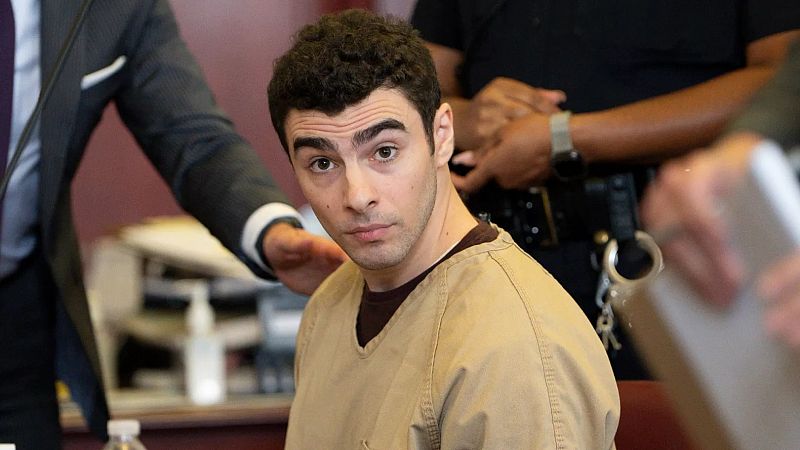
Dismissal of Terrorism Charges in the Case of Luigi Mangione
A New York judge has dismissed terrorism charges against Luigi Mangione in connection with the killing of UnitedHealthcare CEO Brian Thompson, while keeping the state’s second-degree murder charges against him. The decision marks a significant development in the case, which has drawn national attention and sparked debates over the legal definitions of terrorism.
Mangione’s legal team argued that the New York case and a parallel federal death penalty prosecution constituted double jeopardy. However, Judge Gregory Carro rejected this argument, stating that it would be premature to make such a determination at this stage. This ruling means that both cases can proceed independently, despite the overlap in charges.
This was Mangione’s first court appearance in the state case since February, highlighting the ongoing legal scrutiny he faces. The 27-year-old Ivy League graduate has become a figure of fascination for many, often seen as a symbol of frustration within the health insurance industry.
Public Support and Symbolism
Supporters of Mangione have shown strong public presence during his court appearances. At his last hearing, dozens of supporters attended, many wearing green, the color associated with the character Luigi from the Super Mario Bros video games. This symbolic gesture reflects the growing cult-like following that has developed around Mangione.
In his written decision, Judge Carro emphasized that while there is no doubt the killing was not an ordinary street crime, New York law does not classify an act as terrorism simply because it is ideologically motivated. He noted that although Mangione expressed animosity toward UnitedHealthcare and the healthcare industry, there was no evidence presented of a goal to “intimidate and coerce a civilian population.”
Carro scheduled pre-trial hearings in the case for December 1, just days before Mangione is due in court for his federal case.
Legal Proceedings and Plea
Mangione pleaded not guilty to multiple counts of murder, including murder as an act of terrorism, in the December 4, 2024, killing. Surveillance footage showed a masked gunman shooting Thompson from behind as he arrived for an investor conference at the New York Hilton Midtown.
The police found the words “delay,” “deny” and “depose” scrawled on the ammunition, mimicking a phrase used to describe how insurers avoid paying claims. Mangione was arrested five days later after being spotted eating breakfast at a McDonald’s in Altoona, Pennsylvania, approximately 370 kilometers west of New York City.
Since then, he has been held in a federal prison in Brooklyn. The Manhattan district attorney’s office argues that there are no double jeopardy issues because neither of Mangione’s cases has gone to trial, and the state and federal prosecutions involve different legal theories.
Mangione’s lawyers, however, claim the dual cases have created a “legal quagmire,” making it “legally and logistically impossible to defend against them simultaneously.” The state charges, which carry a maximum of life in prison, allege that Mangione aimed to “intimidate or coerce a civilian population,” specifically insurance employees and investors. In contrast, the federal charges focus on stalking and do not include terrorism allegations.
Death Penalty and Prosecution Arguments
US Attorney General Pam Bondi announced in April that she was directing federal prosecutors to seek the death penalty for “an act of political violence” and a “premeditated, cold-blooded assassination that shocked America.” This directive underscores the severity of the charges against Mangione.
The Manhattan district attorney’s office cited extensive excerpts from Mangione’s handwritten diary in a court filing supporting his state murder charges. They highlighted his desire to kill a senior insurance figure and his admiration for Ted Kaczynski, the Unabomber. Prosecutors also referenced a confession they claim Mangione wrote to the FBI, in which he stated, “it had to be done.”
They argue that Mangione’s writings serve to make his intentions explicit, emphasizing that the murder of Brian Thompson was intended to bring about revolutionary change in the healthcare industry. These writings, sometimes referred to as a manifesto, convey a clear message of rebellion against what he described as a “deadly, greed-fueled health insurance cartel.”


