Conflict Erupts Over Alleged Mass Sackings at Dangote Refinery
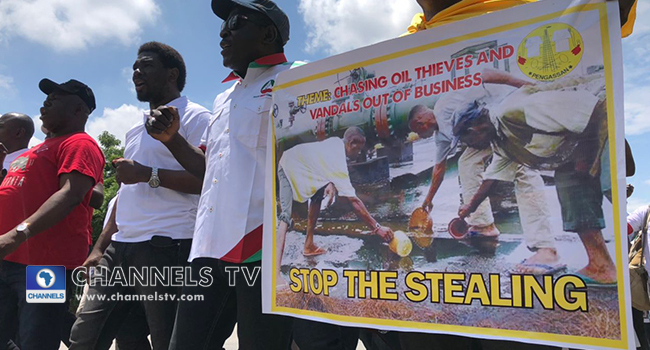
A major dispute has emerged between the Dangote Refinery and the Petroleum and Natural Gas Senior Staff Association of Nigeria (PENGASSAN) following claims that over 800 Nigerian workers were dismissed for joining the union. The situation has sparked outrage among employees and raised concerns about the treatment of local labor in favor of foreign workers.
According to PENGASSAN, the refinery allegedly fired more than 2,000 Indian nationals who were brought in to replace the sacked Nigerian workers. This move has been criticized as a clear violation of labor rights, with the association arguing that the dismissal was not due to performance but rather an attempt to suppress unionization efforts.
In a statement released on Friday, the refinery denied the allegations, stating that only a small number of employees were let go due to repeated sabotage incidents. The management described the action as part of an ongoing reorganization aimed at ensuring the safety and efficiency of the facility.
However, the letter circulated on social media earlier in the week suggested a broader purge, claiming that “all staff” were being let go. The document, titled “Reorganisation,” stated that the decision was made in response to recent acts of sabotage, which had raised serious safety concerns. It further instructed affected employees to surrender company property and obtain exit clearance, though the exact date for this process was left unspecified.
Union Accuses Management of Discrimination
The General Secretary of PENGASSAN, Lumumba Okugbawa, strongly contested the refinery’s claims, asserting that the sacking was directly linked to workers joining the union. He highlighted that over 800 employees had successfully completed the unionization process as directed by the Federal Government. According to him, the management conducted headcounts and discovered that these workers had voluntarily joined the association, leading to their immediate dismissal.
Okugbawa expressed concern over the apparent preference for expatriate workers, noting that over 2,000 Indian nationals were retained despite their lack of valid immigration documentation. He argued that such actions undermined the rights of Nigerian workers and violated Section 7 of the Labour Act, which prohibits discrimination and ensures fair treatment in the workplace.
“We are only waiting for the National Executive Council,” he said, indicating that the union is considering legal and protest actions if the situation does not improve. He also urged affected workers to remain calm and assured them that the association is actively engaging with stakeholders to resolve the matter.
Legal and Ethical Concerns Raised
The union emphasized that the mass sacking contravened both the Labour Act and the Trade Union Act, which protect workers’ rights to organize and join unions. They called on the Dangote Refinery to recall all terminated Nigerian workers and warned that failure to do so would result in legal action.
PENGASSAN has scheduled an emergency meeting to determine the next steps, reaffirming its commitment to upholding the dignity and rights of Nigerian workers. The association stressed that it will explore all constitutional and legal avenues to ensure justice for those affected.
Dangote Refinery Defends Its Actions
In response, the Dangote Refinery reiterated that the sacking was a necessary measure to address security threats. The company claimed that the reorganization was not arbitrary but a strategic move to safeguard the facility from sabotage, which had previously led to safety risks and operational disruptions.
The refinery also highlighted its continued employment of over 3,000 Nigerians through various recruitment programs, including graduate trainees and experienced hires. It emphasized its commitment to international labor standards and the right of workers to freely choose whether or not to join a union.
Despite these assurances, the refinery has faced previous challenges from unions, including a shutdown by the Nigerian Union of Petroleum and Natural Gas Workers over allegations of denying tanker drivers the right to unionize. A court order has since been issued to prevent further blockades.
Ongoing Tensions and Calls for Accountability
As tensions continue to rise, both sides remain entrenched in their positions. The conflict highlights deeper issues surrounding labor rights, discrimination, and the role of foreign labor in Nigeria’s industrial sector. With the potential for legal and public protests looming, the situation remains highly sensitive and likely to attract significant attention from both national and international observers.


