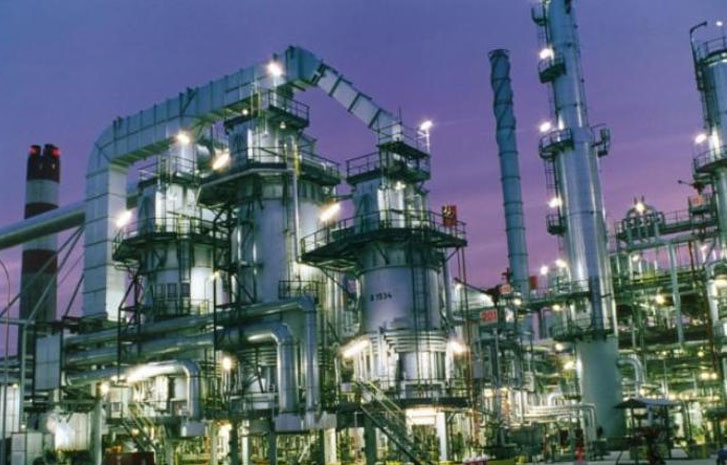
Dangote Refinery Accuses PENGASSAN of Sabotaging Nigeria’s Energy Supply Chain
Dangote Petroleum Refinery has issued a strong condemnation against the Petroleum and Natural Gas Senior Staff Association of Nigeria (PENGASSAN), accusing the union of attempting to undermine the country’s energy supply chain. This comes after PENGASSAN reportedly instructed its branches to halt crude oil and gas supplies to the refinery, a move that the company claims is a dangerous act of lawlessness.
In a public statement released on Saturday, Dangote Refinery described the directive as a “brazen display of lawlessness and criminality.” The company warned that this action could lead to widespread fuel shortages and disrupt the availability of essential petroleum products such as petrol, aviation fuel, kerosene, diesel, and cooking gas. These products are vital for daily life and economic activities across the nation.
According to the refinery, PENGASSAN issued a directive on 26 September instructing its members in various multinational oil companies, including TotalEnergies, Seplat, Renaissance, Chevron, Oando, Shell Nigeria Gas, and NGIC, to stop crude oil loading operations and cut off gas supply to the facility immediately. The refinery emphasized that the union has no legal authority to interfere with contracts between the company and its suppliers. It argued that such interference constitutes “economic sabotage” against both the company and the Nigerian state.
The statement from Dangote Refinery highlighted that there is no law in Nigeria that permits PENGASSAN or its branches to cut off gas and crude oil supplies to the refinery. It stressed that the supply contracts were signed between the refinery and third-party vendors, not with PENGASSAN. Therefore, the union has no right to disrupt or interfere with these agreements.
The refinery also reminded PENGASSAN that Nigeria operates under a legal framework and that self-help or mob actions are not tolerated. It warned that such conduct could lead to chaos and anarchy within the society.
As the world’s largest single-train refinery and one of Nigeria’s highest taxpayers, Dangote Refinery argued that the directive undermines investor confidence and threatens revenues that contribute to federal and state governments. The company described the refinery as a strategic national asset that should be protected rather than targeted.
The statement further criticized PENGASSAN for what it called a contradictory stance. While the union had previously pledged to pursue legal action against the refinery, it allegedly abandoned the path of lawfulness and instead embraced mob action. Dangote Refinery noted that the union’s directive amounts to economic sabotage at multiple levels, affecting both the economy and the general population.
The refinery pointed out that PENGASSAN’s actions would disrupt the supply of essential petroleum products to Nigerians, including aviation fuel, petrol, kerosene, diesel, and cooking gas. These products are used by all segments of the population, regardless of their social status. The company questioned the justification for such disruptions and raised concerns about whose interests PENGASSAN is serving.
It also emphasized that the Dangote Refinery is a strategic national asset, and any damage to it would be a source of national embarrassment. The refinery is a major contributor to the revenue of both federal and sub-national governments, and its disruption could deter future investments in Nigeria’s oil and gas sector.
Calling on the federal government and security agencies to intervene, the company urged Nigerians to resist any attempts to disrupt refinery operations. It warned that compliance with PENGASSAN’s directive would cause irreparable hardship for households and businesses nationwide. The statement concluded by emphasizing that this is a fight for all Nigerians, as the impact of the directive would be felt across the entire population.


