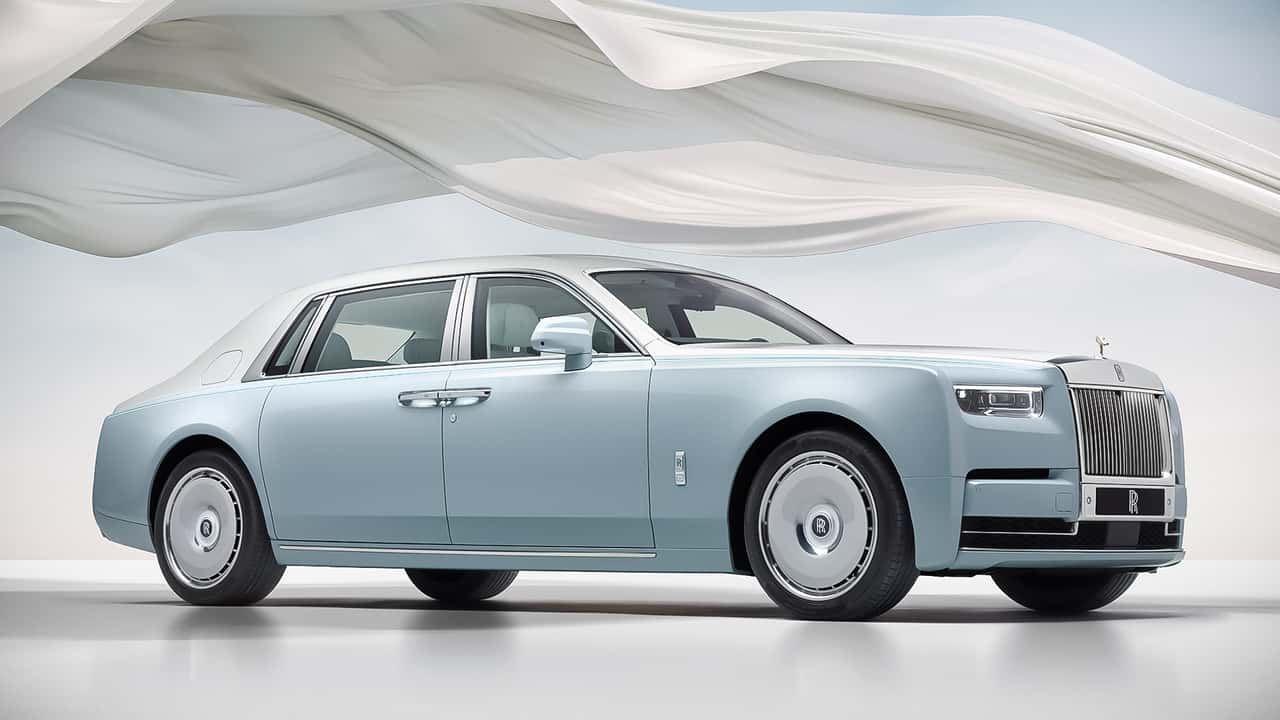
A Century of Luxury: The Evolution of the Rolls-Royce Phantom
The Rolls-Royce Phantom has been a symbol of luxury and craftsmanship for over a century. From its debut in 1925 as the Phantom I to the current Phantom VIII, the model has continuously evolved while maintaining its status as the pinnacle of automotive excellence.
Over the years, each generation of the Phantom has introduced new innovations, reflecting the changing times while preserving the brand’s heritage. To celebrate this milestone, Rolls-Royce designers have created a series of original artworks that honor the legacy of the Phantom and its cultural impact across decades.
Series I – The Birth of a Legend
Launched in 1925, the Phantom I was initially referred to as the “New Phantom.” It was designed to replace the Silver Ghost, which had previously been hailed as the best car in the world. The Series I featured a 7.7-liter pushrod-operated overhead valve straight-six engine and was sold as a rolling chassis, allowing customers to commission custom bodywork from coachbuilders. This customization made each Phantom unique, emphasizing the brand’s commitment to individuality and craftsmanship.
Series II – Expanding Horizons
In 1929, the Series II marked an evolution in design and performance. While still sold as a rolling chassis, it offered a wider range of body styles, including sedans, convertibles, and coupes. The engine was refined with a crossflow cylinder head, improving performance, and a four-speed manual transmission replaced the previous setup. This model showcased Rolls-Royce’s adaptability while maintaining its luxurious appeal.
Series III – A New Era of Innovation
The Series III, introduced in 1936, was the first Phantom to feature a V12 engine. This powerful 7.3-liter engine, combined with independent front suspension, set a new standard for luxury and performance. The Series III also gained fame through its appearance in the James Bond film Goldfinger. Its advanced engineering and sophistication solidified Rolls-Royce’s reputation for innovation.
Series IV – A Royal Legacy
The Phantom IV, launched in 1950, holds a special place in history. Designed specifically for Queen Elizabeth II at the request of the Duke of Edinburgh, it reflects the close relationship between Rolls-Royce and the British royal family. Only 18 models were ever produced, making it a rare and highly sought-after collector’s item. The inline eight-cylinder engine provided a quieter and smoother ride, highlighting the brand’s focus on comfort and refinement.
Series V – Modern Comfort and Elegance
In 1959, the Series V brought significant technological advancements, including power steering and automatic transmission. This model became a symbol of status and elegance, often used for formal occasions. It represented the shift toward more accessible luxury while maintaining the high standards of Rolls-Royce.
Series VI – The Last Coachbuilt Phantom
Produced from 1968 to 1991, the Series VI was the last coachbuilt Phantom and remained in production for over two decades. It marked the end of an era for classic Rolls-Royce designs and represented the pinnacle of luxury for royalty and heads of state. The Phantom VI served as a bridge between traditional craftsmanship and modern engineering.
Series VII – A Modern Rebirth
The Phantom VII, launched in 2003 under BMW ownership, marked a complete reinvention of the brand. Designed by Ian Cameron, it retained the classic look while incorporating modern technology. Features such as suicide doors, a retractable information screen, and a sophisticated suspension system elevated the driving experience. The Phantom VII successfully balanced tradition with innovation, ensuring the brand’s continued relevance.
Series VIII – The Future of Luxury
The current Phantom VIII, introduced in 2017, is built on Rolls-Royce’s all-aluminum space-frame platform, known as the Architecture of Luxury. It features a 6.75-liter twin-turbocharged V12 engine, offering improved performance and smoothness. The interior is designed for maximum comfort, with sound-deadening materials and a starlight headliner that creates a mesmerizing ambiance. Advanced features like rear axle steering and self-levelling air suspension ensure a seamless driving experience.
Conclusion
Each generation of the Rolls-Royce Phantom has contributed to the brand’s legacy, blending tradition with innovation. From the early days of custom coachbuilding to the cutting-edge technology of the Phantom VIII, the model continues to represent the height of automotive luxury. As Rolls-Royce looks to the future, the Phantom remains a symbol of timeless elegance and craftsmanship.


