Understanding Human Development and Happiness in Nigeria
The Human Development Index (HDI) offers a more comprehensive understanding of a country’s overall development by evaluating achievements in health, education, and income per capita. These three dimensions are considered essential for human development. Life expectancy at birth measures health, while years of schooling and literacy levels reflect access to knowledge. Income per capita is an indicator of a decent standard of living. A mathematical average of these factors gives a single number between zero and one, with higher scores indicating greater human development.
Nigeria’s HDI has shown some fluctuation over the years. According to available data, the HDI for Nigeria was 0.542 in 2020/2021, rising to 0.548 in 2021/2022, and reaching 0.560 in 2022/2023. The score remained at 0.548 for 2023/2024, and it is estimated to be around 0.548 for 2024/2025. This places Nigeria significantly below the global average of 0.744. In comparison, Ghana’s HDI was 0.600 in 2021, increasing to 0.602 in 2022 and 0.628 in 2023.
In Africa, Seychelles had the highest HDI in 2022, followed by Mauritius, Libya, Egypt, and Tunisia. Nigeria, however, is not among the top 10 most developed countries in Africa. Countries like Seychelles (0.802), Mauritius (0.796), Libya (0.746), Algeria (0.745), Tunisia (0.732), Egypt (0.728), South Africa (0.717), and Botswana (0.708) rank much higher. Nigeria consistently ranks around the 150th position out of 190 countries, and its position is expected to drop further to around 161st out of 193 countries in 2025.
Another important measure is the World Happiness Report, which evaluates countries based on GDP per capita, social support, healthy life expectancy, freedom, generosity, and perception of corruption. Nigeria ranked 105th out of 147 countries in the 2025 report, improving slightly to 102nd out of 143 countries in 2024, and 95th in 2023. Within Africa, Nigeria ranked 10th in the 2025 report. Despite these rankings, the trend shows a decline in happiness over the years.
Economic Policies and Their Impact
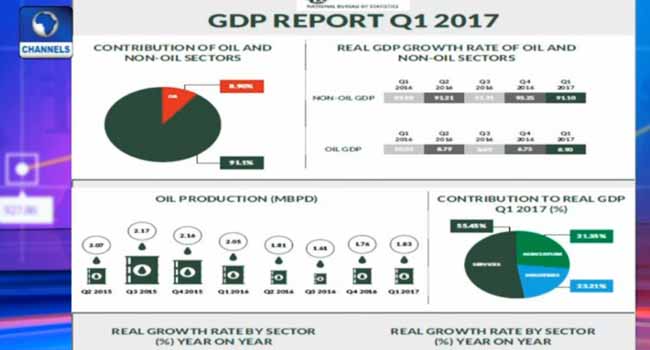
While there have been reports of growing GDP, increased external reserves, and falling inflation, these developments have not translated into improved well-being for Nigerian citizens. The benefits of economic policies have often been captured by the political class rather than distributed equitably. For example, during the 2008 financial crisis, President Barack Obama took decisive action to revive the American economy by bailing out failing industries and creating jobs. His efforts led to significant employment growth and economic recovery.
In contrast, Nigeria’s leadership has allocated resources to state governors, who have used them for foreign currency accumulation rather than investing in public infrastructure or agriculture. Massive spending on road construction, building refurbishments, and importing vehicles and airplanes has drained local resources, generating employment abroad instead of within Nigeria. This approach has failed to stimulate local production or improve public services.
Reviving Local Industries and Public Investment
Historically, Nigeria was self-sufficient in manufacturing, producing cars, trucks, buses, tractors, and other goods locally. Companies like Vono in Lagos, battery manufacturers in Ibadan and Ijebu-Ode, and tire producers in Lagos and old Bendel State were once thriving. However, many of these industries have since declined, leaving behind opportunities for revival.
Reinvesting in local industries could create jobs, boost production, and increase tax revenue. It would also help reduce inflation by increasing output and decreasing reliance on imports. Moreover, this approach would generate funds for infrastructure development, such as road construction and hospital expansion.
Prioritizing Education and Health
Currently, Nigeria spends three times more on debt servicing than on education and six times more than on health. This imbalance reflects a lack of prioritization for critical sectors that directly impact human development. While initiatives like TELFund are commendable, they are insufficient without addressing broader issues such as learning environments, teacher remuneration, and healthcare infrastructure.
Improving education requires investment in facilities, equipment, and training for teachers. Similarly, healthcare needs better-equipped hospitals and proper treatment for medical staff, who play a vital role in maintaining public health. Without these improvements, Nigeria will continue to lag in both HDI and World Happiness Index rankings.
Conclusion
Nigeria stands at a crossroads. While there have been economic indicators that suggest growth, the true measure of progress lies in the well-being of its citizens. By reviving local industries, prioritizing education and health, and ensuring equitable distribution of resources, Nigeria can move towards sustainable development. Delaying these actions risks further stagnation and continued underperformance on global indices. Now is the time to rethink economic strategies and focus on long-term, inclusive growth.


