
Hong Kong’s Role as a Financial Bridge Between Mainland China and the World
Hong Kong is increasingly being positioned as a crucial financial hub for mainland China, acting as a bridge between the country and the global market. In this first part of a six-part series, UBS Securities’ chairwoman Janice Hu discusses the evolving role of Hong Kong in China’s broader economic strategy.
As Beijing shifts its trade and investment focus away from the United States, Hong Kong is once again emerging as a key player in China’s global ambitions. The city has seen a significant increase in cross-border financial flows with the mainland, reinforcing its status as an essential financial springboard.
Hu emphasized that China is demonstrating openness to international business while maintaining clear policy frameworks and control mechanisms. “We need to be a bridge, an agent to make sure the good intentions are understood, and Hong Kong is the ground to realise some of China’s ideas,” she said.
Hong Kong as a Testing Ground for Financial Innovation

One notable example of Hong Kong’s innovation is the dual listing of Jiaxin International Resources in both Hong Kong and Astana in August. This was the first yuan-denominated deal on the Kazakh exchange and highlights Hong Kong’s role in facilitating financial experiments.
The Hong Kong leg of the transaction was made possible by Chapter 18 of the bourse’s listing rules, which allows mineral and petroleum companies to bypass certain financial tests if they meet specific criteria related to resource indication and management experience.
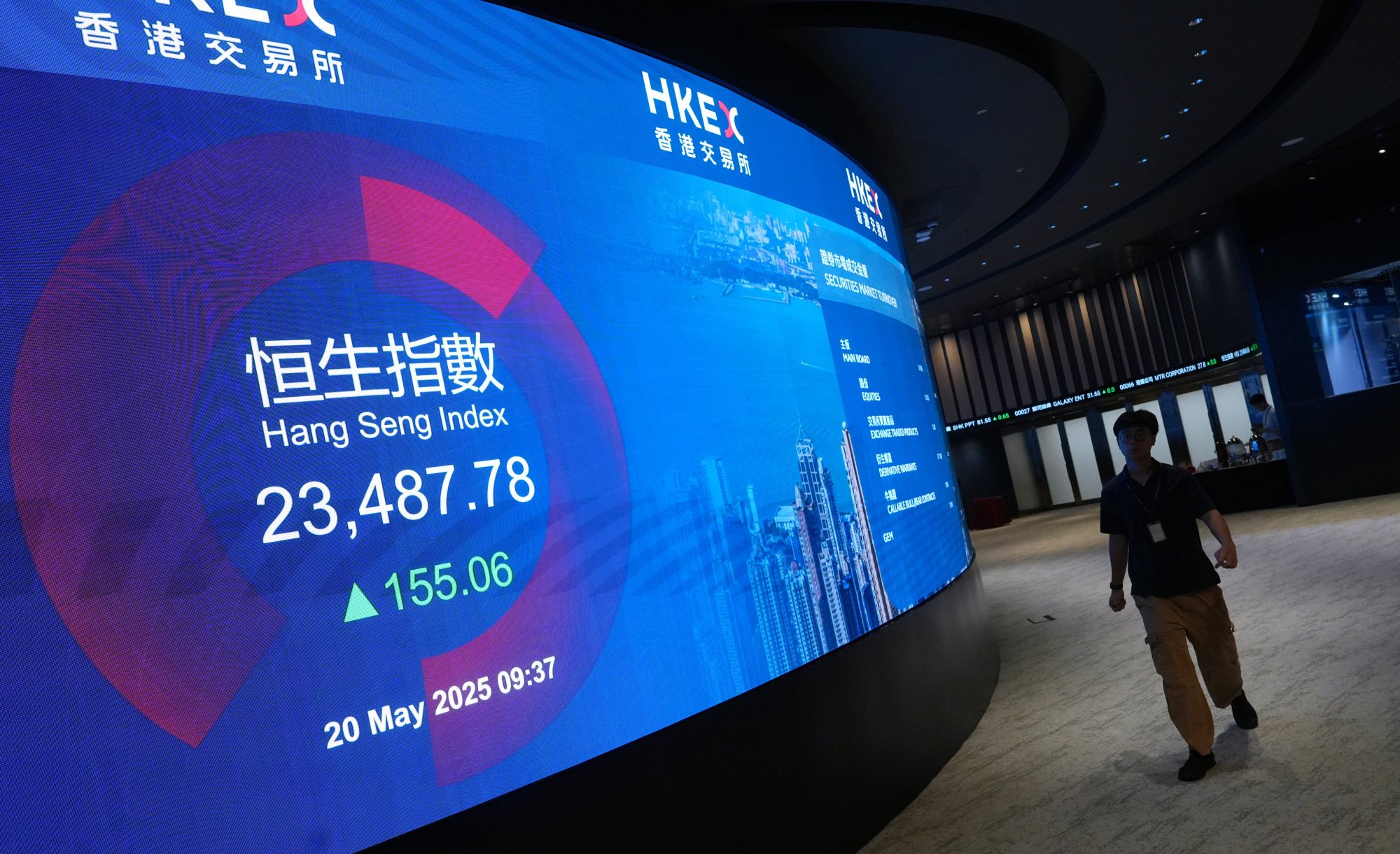
This deal also underscores Hong Kong’s importance in the Belt and Road Initiative, offering a direct equity bridge between China and Central Asia that is not available through Shanghai or Shenzhen. The city has also introduced frameworks for digital assets, including licensing stablecoin issuers and exploring the tokenisation of real-world assets.
Another recent development is the introduction of dual-currency counters in Hong Kong, enabling investors to trade the same shares in both Hong Kong dollars and yuan. Unlike the A and B shares on the mainland, these counters are fully fungible, providing greater flexibility for investors.
Strategic Shifts in China’s Trade and Investment
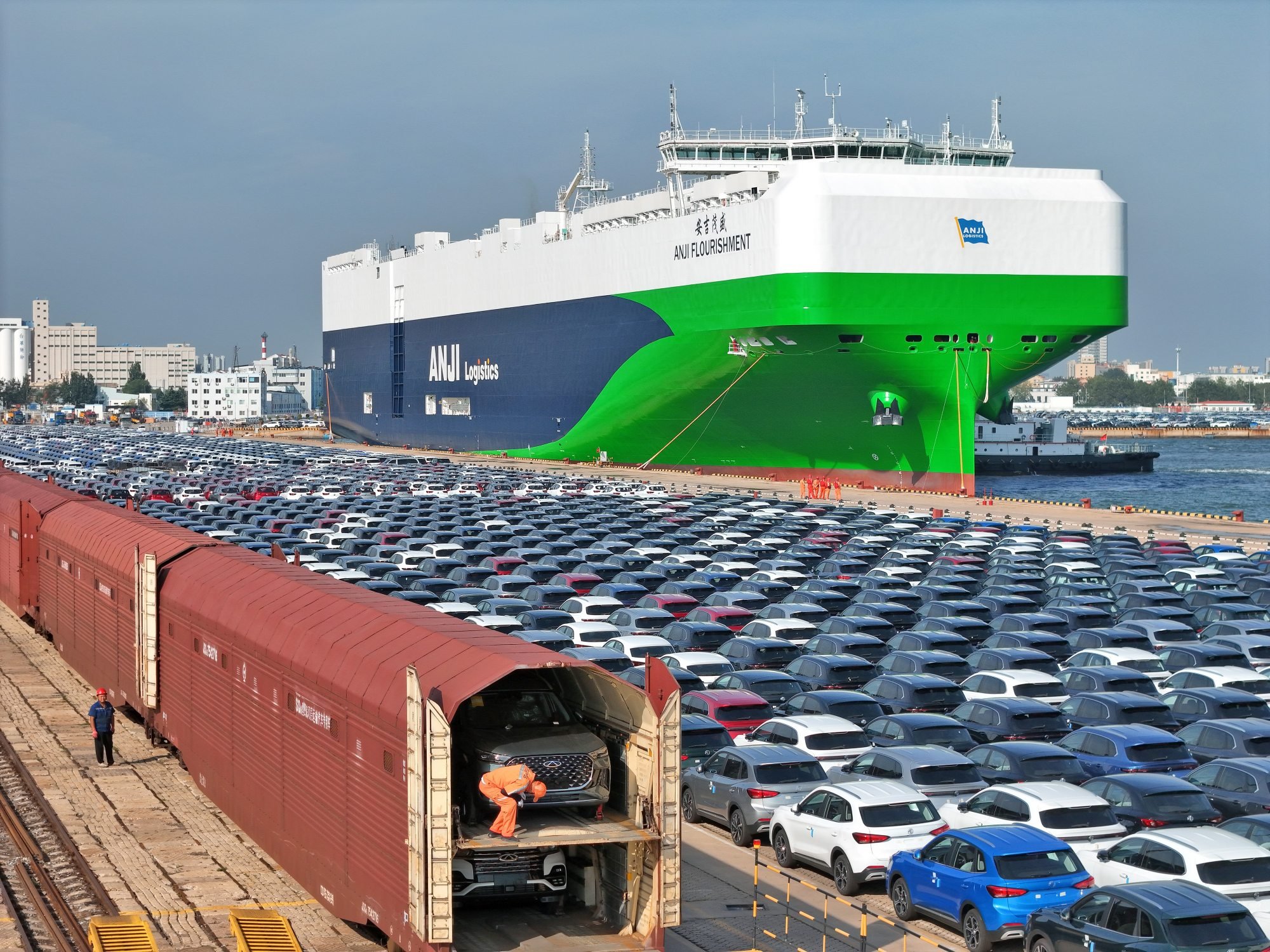
These innovations reflect how Hong Kong is being positioned not just as a conduit for mainland capital but as a test bed for financial experiments that may not be feasible onshore. As China diversifies its trade links, moving away from the US toward Southeast Asia and other emerging markets under the Belt and Road Initiative, Hong Kong plays a critical role.
Data shows that exports to ASEAN countries accounted for 17.7% of total foreign trade in August, up 14.6% from the previous year, while exports to the US declined by 15.5%. This shift highlights the growing importance of regional connectivity.

Hu noted that China’s supply-chain restructuring is strengthening intraregional ties, with China providing capital goods, India offering low-cost labor, and Australia supplying commodities. “They need a common ground in Asia — and Hong Kong is a natural financial hub for these activities,” she said.
With capital controls limiting flows on the mainland, Hong Kong serves as a natural outlet for Belt and Road-related transactions.
UBS’s Long-Term Presence in China

For UBS, the recent surge in mainland and Hong Kong stock markets — following the peak of US-China trade tensions in April — has demonstrated the benefits of maintaining a long-standing presence in China. Hu, who became UBS’s China head last year after the bank’s acquisition of Credit Suisse, has over two decades of experience in the region.
“Cross-border connectivity is in our DNA and has been one of our key differentiators,” she said. “We’ve been in mainland China for over 35 years and in Hong Kong for more than 60 years, building up our experience, expertise, and trusted relationships with clients, partners, and regulators.”

Chinese assets have regained appeal due to Beijing’s stimulus measures, breakthroughs in AI, and growing sentiment around de-dollarisation. Trading activity under the Stock Connect programme has surged, with northbound turnover tripling and southbound turnover rising more than fivefold in August compared to the previous year.
UBS Securities reported record volumes last month, with trading more than doubling from a year ago. Foreign investors have also shown interest in Chinese ETFs, driven by diversification strategies and continued policy support.
Revival of Hong Kong’s Stock Markets
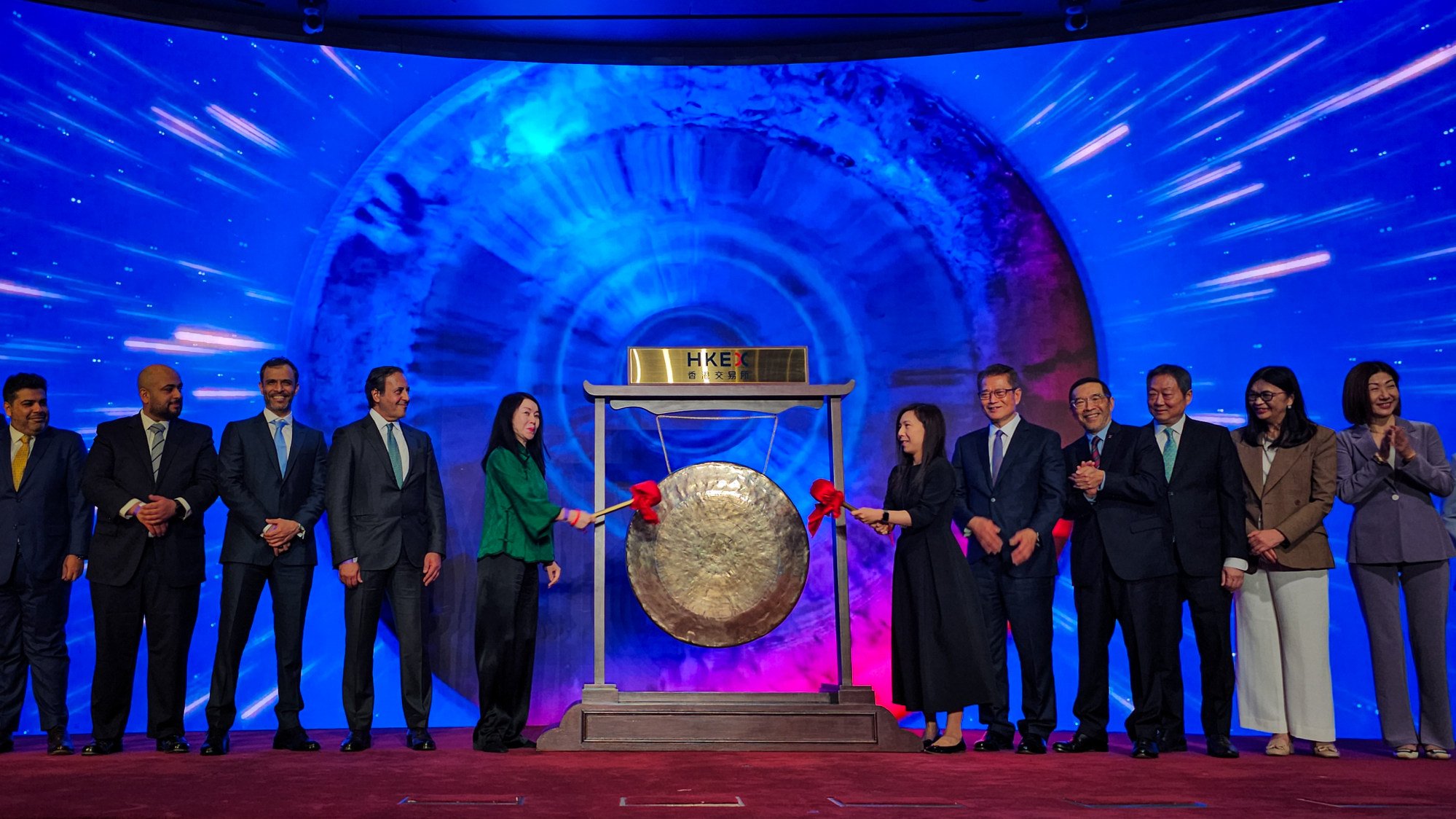
Hong Kong’s primary and secondary stock markets are experiencing a revival as Chinese companies return in large numbers. Of the nearly 60 IPOs in Hong Kong this year, most were mainland firms, with around 200 more awaiting approval.
In April 2024, Beijing announced five measures to deepen Hong Kong’s role as an international financial center. These initiatives aim to expand the city’s product base and strengthen its position as a marketplace that can absorb new products and support renminbi internationalisation.
“Hong Kong is like a home base away from the mainland for many entrepreneurs,” Hu said. While the big cities contribute significantly to China’s economy, the country’s economic vitality still lies in its grassroots, with the top 60 counties alone contributing 7.6% of GDP.
Looking ahead, Hu highlighted wealth management as a key focus, particularly in the Greater Bay Area. “Our goal is to be the go-to bank in the Greater Bay Area for wealth, leveraging our Hong Kong hub,” she said. “The city is well positioned in finance, technology, and innovation — from blockchain to AI — as well as in talent, to deepen connectivity.”


