Hong Kong’s Growing Appeal as a Global Financial Hub
Hong Kong has long been recognized for its unique position in the global financial landscape, offering an environment that attracts capital from around the world. Unlike domestic markets such as Shanghai and Shenzhen, which are subject to stricter capital controls, Hong Kong continues to serve as a bridge between mainland China and international investors. This distinction is highlighted by the city’s ability to attract a diverse range of companies seeking to raise funds and expand their reach.
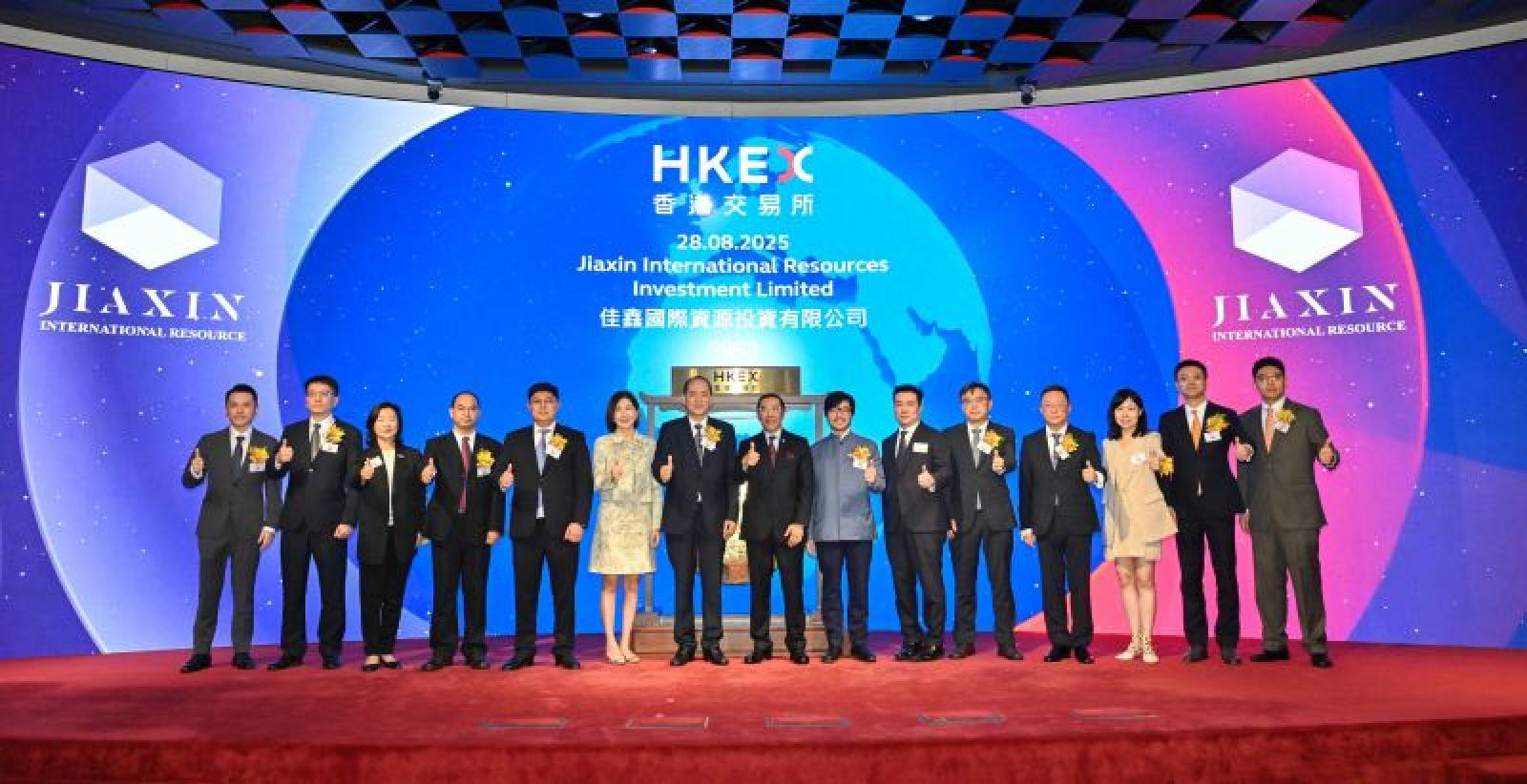
In the Capital Connectors series, exclusive interviews with six influential Chinese and global bankers reveal the opportunities and challenges for Hong Kong in its evolution as an international financial hub. One notable example is the listing of Jiaxin International Resources, a Chinese-owned, Hong Kong-registered company that owns and operates a tungsten mine in Kazakhstan through a local subsidiary. The firm made history by securing a dual listing on both the Hong Kong and Kazakhstan exchanges on August 28. According to Xu Jia, deputy head of the investment banking department at China International Capital Corp (CICC), this move reflects the international scope and breadth of Hong Kong’s capital market.
Jiaxin International Resources is not alone in its pursuit of global expansion. In May, Singapore-based biotech firm Mirxes Holding, whose key markets include China, went public in Hong Kong. A month later, Thai company IFBH, incorporated in Singapore, also made its debut in Hong Kong. These developments signal a growing trend of companies from different regions and industries choosing to list in Hong Kong.
Xu emphasized that Hong Kong still serves as an important bridge connecting mainland China and international capital. Whether the capital comes from traditional sources like the US or Europe, or newer entrants such as the Middle East or Southeast Asia, the role of Hong Kong remains unchanged. “We are currently working on a few such deals,” he said, adding that these could involve companies eyeing the Chinese market, overseas operations of Chinese companies, or even firms with little or no connection to China but still finding the Hong Kong market attractive.
Diversification and Recovery
Although most companies seeking fundraising in Hong Kong are from mainland China, an increasing number of firms from other regions and a wider array of industries have also chosen to list in Hong Kong. Xu noted that this momentum is likely to persist. After a period of significant capital outflows driven by the Covid-19 pandemic and escalating US-China tensions, international capital is returning to Hong Kong.
The renewed interest started to emerge in September last year, when Beijing cut interest rates and introduced measures to revive the property market and stabilize the stock market. Interest in the tech sector was reignited after Chinese start-up DeepSeek captured global attention in January with the launch of its low-cost, open-source R1 reasoning model comparable to OpenAI-o1.
International investors have also been diversifying away from their overweight positions on US dollar assets since US President Donald Trump announced sweeping tariffs in April, which sent global markets into turmoil. Chinese assets, including those traded in Hong Kong, have been among the beneficiaries.
“There has been a noticeable return of capital from Europe and the US, and more could come,” Xu said. Hong Kong’s stock market has rebounded strongly after years of sluggish performance. In August, the bourse’s average daily turnover rose 192 per cent to HK$279.1 billion (US$35.9 billion), up from HK$95.5 billion a year earlier.
Strong Performance and Increasing Investment
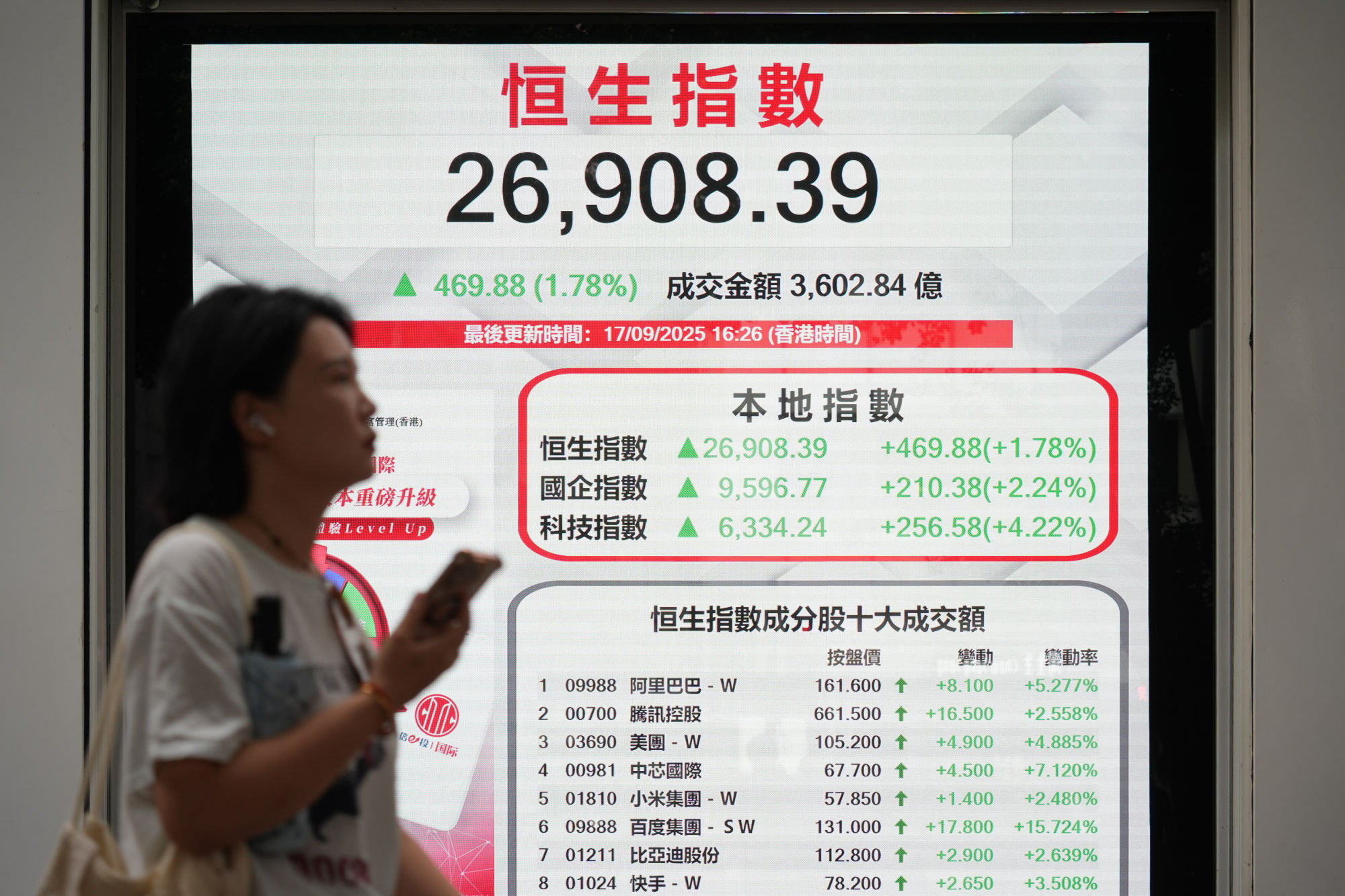
The city’s Hang Seng Index has rallied by 47 per cent in the past 12 months, with companies like Tencent Holdings nearly erasing all losses since reaching its all-time high in 2021, after which Beijing launched a regulatory crackdown on some of China’s biggest tech firms.
Funds raised through initial public offerings (IPO) in the first eight months in Hong Kong totalled HK$134.5 billion, nearly seven times the HK$19.8 billion raised in the same period last year, according to bourse operator Hong Kong Exchanges and Clearing. Of the more than 60 IPOs in Hong Kong this year, the share of foreign cornerstone investors has topped the previous peak in 2021, according to a Goldman Sachs report published on September 18.
Schroders Investment, a British wealth management company, was a leading cornerstone investor in the IPO of Sanhua Intelligent Controls, a parts supplier to Tesla, committing US$142 million. “This is likely also their first cornerstone investment in a Hong Kong IPO in many years,” Xu said.
Regulatory Strength and Investor Confidence
Hong Kong’s solid regulatory system and its supportive government have reinforced the city’s position as a safe harbour for global investors during turbulent times, Financial Secretary Paul Chan Mo-po said in June. “This is most obviously reflected in the recent upturn in our stock market and influx of capital as reflected in bank deposits.”
Some US$44 billion worth of capital flowed into Hong Kong-domiciled funds in the 12 months to the end of March, a threefold increase from a year earlier, said Chan. Hong Kong funds managed nearly US$4 trillion in assets as of the end of 2023.
CICC’s Xu noted that in the first half of the year, most of the returning capital came from passive funds that tracked indices. However, starting in the second half, “we may see more capital returning from actively managed funds, especially those that focus on stock selection,” he said.


