A Celebration of Avian Wonders
This weekend marks the annual Big Birding Day, an event that draws hundreds of participants from around the world, all eager to spot the greatest number of different bird species within a 24-hour window. For many, it’s more than just a competition; it’s a celebration of nature and a reminder of the importance of conservation.
On October 11, Kampalans will gather at the Uganda Museum at dawn before heading to various locations such as Mabira Forest in Buikwe district, Makerere University, Sheraton Kampala Gardens, or the Ndere Troupe Centre in Kampala city. This event is not only a test of skill for bird enthusiasts but also an opportunity to raise awareness about the critical role birds play in our ecosystems.
Birds are more than just beautiful creatures; they are biological wonders that contribute significantly to tourism, conservation efforts, and the balance of our shared ecosystems. The air is often filled with the sounds of chirps, squawks, tweets, and songs from feathered visitors escaping the harsh winters of Europe and Asia. These birds find refuge in the shimmering wetlands of Mabamba Bay, Kidepo Valley National Park, mountains, forests, and the tranquil waters of Lake Victoria.
Migration Corridor
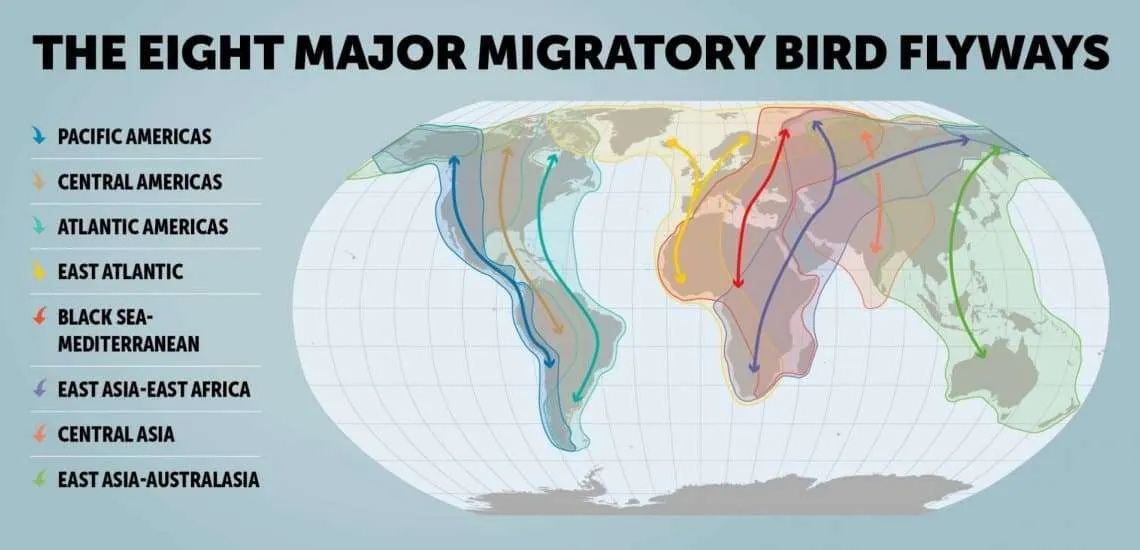
Uganda lies along one of the world’s major migration corridors known as the East African Flyway. This corridor stretches from northern Europe and Asia down to southern Africa, and each year between August and April, the Pearl of Africa hosts over 250 migrant bird species. Among them are graceful White Storks, acrobatic Barn Swallows, Common Sandpipers, and vibrant Blue-cheeked Bee-eaters. These birds nest and dine in the papyrus swamps of Lutembe Bay and the woodlands of Queen Elizabeth National Park, finding sanctuary in the diverse habitats that range from mountains to water bodies.
Some species travel over 10,000 kilometers without losing their sense of direction. Scientists believe that birds navigate using a combination of the sun, stars, magnetic fields, waterbodies, mountains, and even the scent of the earth. Some, like the Bar-tailed Godwit, can fly nonstop from Alaska to New Zealand—over 11,000 kilometers—without a single break.
Technological Advances in Understanding Migration
Recent technological advancements have helped uncover the secrets of these migrations. Tiny GPS trackers, now light enough to attach to a sparrow’s leg, are revealing detailed flight paths, stopovers, and even sleeping patterns during long flights. Scientists have discovered that some species rest one side of the brain at a time while flying, effectively sleeping on the wing.
In Uganda, the Great White Pelican and the Eurasian Marsh Harrier are regular visitors that trace the Nile Basin as their guiding route. They follow rivers, mountain ranges, and coastlines as natural landmarks, relying on a blend of instinct and environmental cues perfected through evolution.
A Boon for Tourism
For Uganda, bird migration isn’t just a scientific curiosity—it’s a tourism goldmine. Birdwatchers from Europe, America, and Asia flock to the Pearl of Africa every year, eager to spot birds in their natural habitats. Uganda is home to over 1,100 bird species, nearly half of Africa’s total. Its location makes it an all-year-round birding destination, with migratory seasons adding extra excitement.
Communities have even woven tales around birds, with names like Lake Bunyonyi (lake of little birds) and Wa ndegeya (place of weaver birds) reflecting the presence of birds in these areas. The Crested Crane, Uganda’s national bird, is a symbol of the country’s rich avian heritage.
Sites like Mabamba Bay, home to the elusive Shoebill, Murchison Falls National Park, and the Kazinga Channel in Queen Elizabeth National Park are high on global birding itineraries. Local communities are capitalizing on this niche by offering guided tours, canoe trips, and eco-lodges tailored to bird enthusiasts.
Conservation Challenges
Despite the beauty and significance of these migrations, the delicate natural drama faces growing threats. Wetland reclamation, deforestation, pollution, and climate change are shrinking the safe havens that migratory birds depend on. Every drained swamp or felled tree along the flyway could mean the loss of a vital resting point.
Some migratory species have declined by as much as 40% in the past two decades. They arrive to find that the wetlands where they used to feed are now rice fields or housing estates. Climate change adds another layer of complexity, with altered rainfall patterns disrupting food availability and rising temperatures shifting breeding and migration timing.
Community Efforts and International Cooperation
Conservationists remain optimistic, however. Community-based initiatives supported by organizations like Nature Uganda, the Uganda Wildlife Authority (UWA), and BirdLife International are empowering locals to protect wetlands as sustainable resources. In Lutembe Bay, youth groups engage in eco-tourism and papyrus craft enterprises that earn income while preserving bird habitats. In Queen Elizabeth National Park, rangers and community scouts monitor key migratory routes to prevent poaching and encroachment.
Uganda’s participation in international frameworks such as the African-Eurasian Migratory Waterbird Agreement (AEWA) reinforces its commitment to global bird conservation.
A Timeless Voyage
As dawn breaks over Lake Victoria, the silhouettes of birds fill the horizon—flapping, gliding, and diving in perfect rhythm. To the casual eye, it is a serene sight; to scientists, it is an ancient choreography of survival; to birders, a dream come true.
And as these feathered travelers continue their timeless voyage across continents, they remind humanity of its shared responsibility: that protecting one small wetland in Uganda safeguards a journey that connects the entire planet. Their flights may be silent, but their message echoes loudly—across oceans, seasons, and generations.


