A Journey of Transformation and Community Empowerment
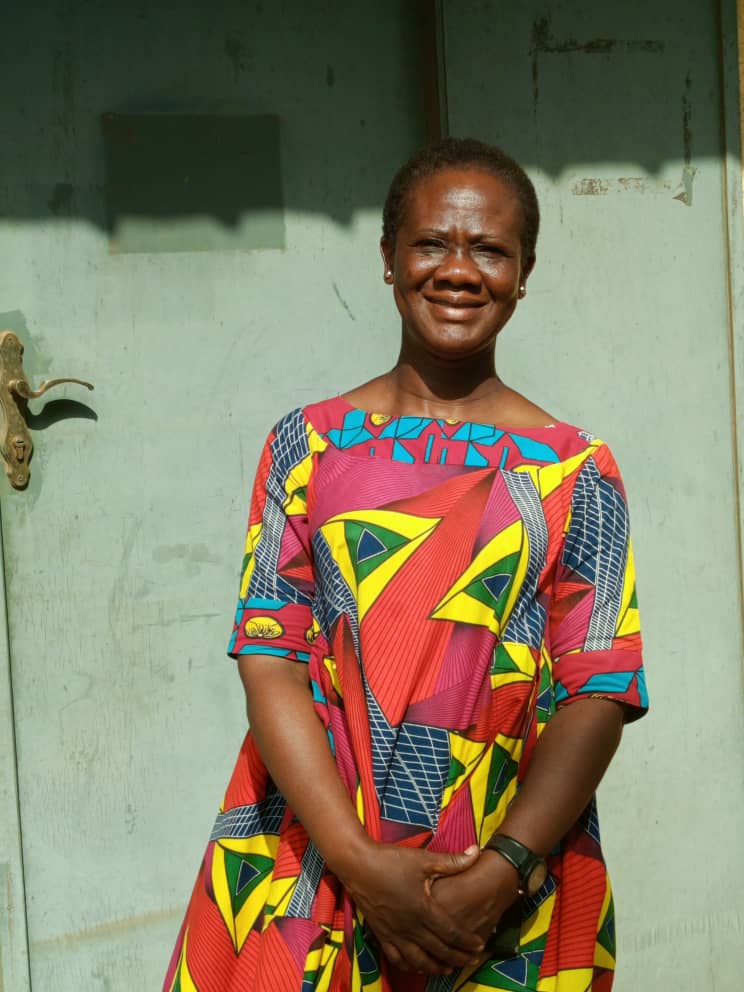
Hannah Awadzi, a GNA Feature writer, highlights the inspiring journey of Ms. Daniella Korletey, a community psychiatric nurse who transitioned into occupational therapy to make a greater impact in her district.
After seven years of working as a community psychiatric nurse in the Shai Osudoku District, Daniella felt the need for a new challenge. When the University of Ghana introduced a degree program in occupational therapy, she quickly enrolled. She found her new field both rewarding and fulfilling, and she decided to complete her national service in the same district.
Her graduation as an occupational therapist marked a significant milestone. Although occupational therapy was still a relatively new concept in the community, Daniella was determined to introduce it. She collaborated with community health nurses to conduct home visits and also visited child welfare clinics to engage with mothers. Her efforts focused on educating new mothers about their children’s developmental milestones and how to identify delays.
Daniella went beyond traditional roles by conducting home visits and even working alongside physiotherapists at the Shai Osudoku clinic. She identified strongly with the community and preferred working in a non-hospital setting. Her director supported her vision, providing her with a space to advance her practice.
Over time, Daniella earned the trust of the mothers in the community. They allowed her into their homes, where she met children who had been isolated for years. Some were chained or locked up, seen as burdens. Daniella worked closely with the mothers to reassure them that their children could be helped.
A Conference That Changed Everything
Daniella had the opportunity to attend a conference in South Africa, where she met Fatima Robin, a Liberian occupational therapist trained in the United States. The two discussed ideas and plans, and Fatima agreed to support Daniella’s dream by coming to Ghana.
At the time, Daniella had access to an empty room on the hospital premises. Using her savings, she purchased a table, chair, and some equipment to start her practice. She began with 20 stroke survivors, offering consistent therapy that led to significant improvements.
Word spread quickly within the community, and soon people started believing in the value of occupational therapy. Over time, Daniella shifted her focus to children with developmental delays, particularly those with cerebral palsy.
Creating a Cultural Shift
Daniella worked to create a cultural shift within the community, helping to establish an association of mothers of children with special needs in the Shai Osudoku District. While the Ghana Health Service attempted to pilot her program in other districts, it proved challenging. However, within Shai Osudoku, satellite clinics were organized to serve patients in various communities.
The community-based occupational therapy center in Shai Osudu is the only one of its kind in Ghana and West Africa, according to Daniella.
The Association of Mothers
The Dodowa community now has an association for parents of children with developmental delays. It currently has around 50 committed members. To join, interested parents fill out a form and commit to paying membership dues. Members learn crafts such as soap making, juice making, and bread making, which help them build sustainable livelihoods.
Children who can attend regular schools are supported in doing so. However, for those with complex conditions, Daniella linked up with a nearby inclusive school, Blosson Bud, where children receive therapy within the school premises.
Adom Fie: A Day Centre for Children with Disabilities
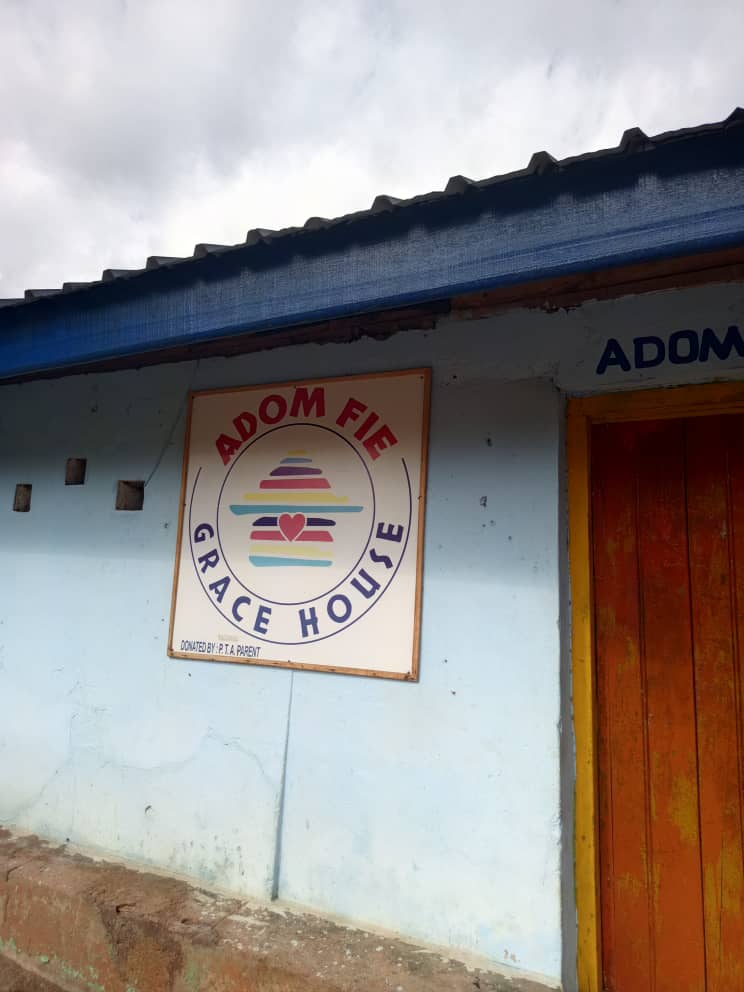
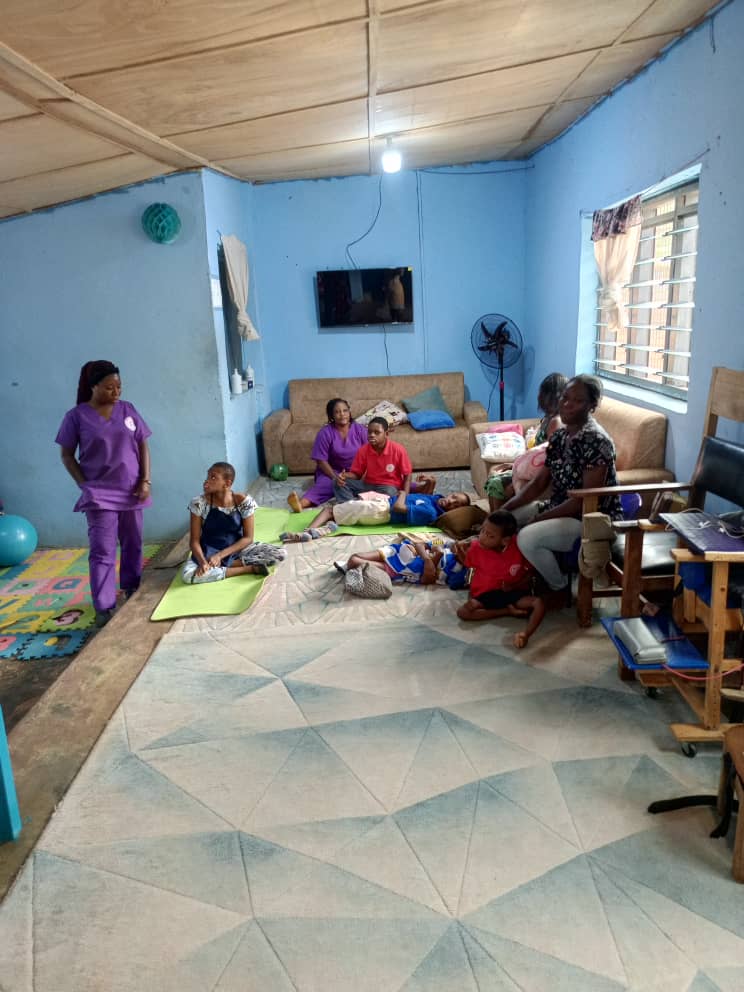
To address the needs of parents whose children couldn’t fit into the regular educational system, Daniella established Adom Fie, a day center in Dodowa. Parents can leave their children there during the day while they earn their livelihoods.
The staff at Adom Fie are mostly mothers of children with disabilities or individuals with experience in caring for such children. The center provides therapy, nutrition, and care throughout the day. For instance, the caterer at Adom Fie is a mother of a child with a disability and the president of the parents’ association.
Adom Fie grows its own crops and maintains a fish pond, selling the fish to generate funds for the center. Despite these efforts, sustaining the program remains a challenge.
Ms. Sandra Elom Anku, a social worker at Adom Fie, noted that initially, it was difficult to get mothers to accept formal employment. Most were used to receiving pity rather than working. However, things have improved significantly, with mothers now performing well in their roles.
Challenges and Future Goals
Parents who bring their children to Adom Fie pay a token fee of GHS 100, but many struggle to afford this. Additionally, some do not bring essential items like diapers and wipes. Adom Fie currently serves 12 children with various disabilities.
Ms. Anku appealed to philanthropists to support the program and help sustain it.