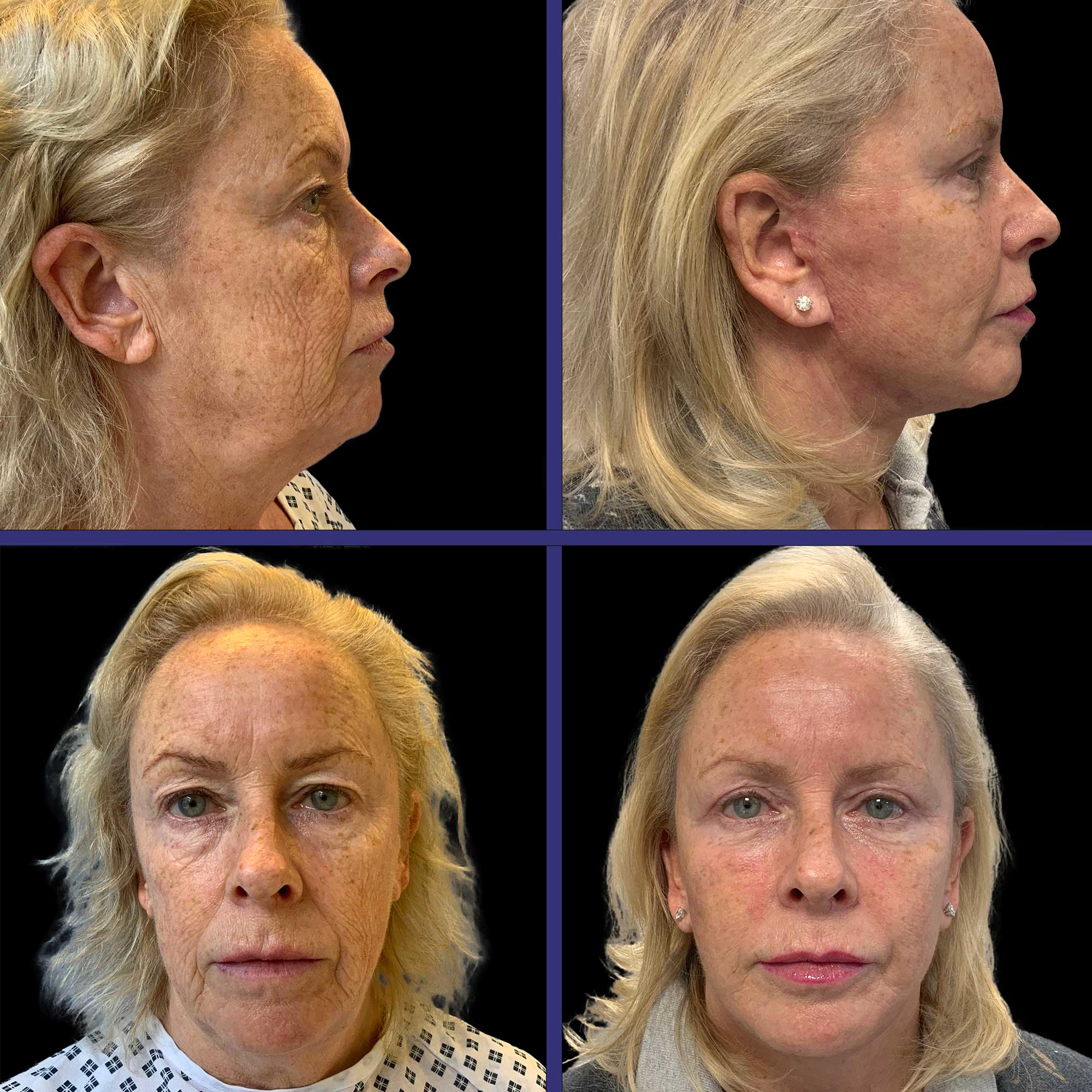
The Rise of Regenerative Medicine in Aesthetic and Health Treatments
Regenerative medicine is revolutionizing the way people approach cosmetic and health treatments. This innovative field utilizes the body’s own stem cells to heal and restore damaged tissues, offering a natural alternative to traditional plastic surgery. As more individuals seek non-invasive options for rejuvenation and healing, regenerative therapy is gaining popularity across various sectors.
The treatment enables the body to repair itself without the need for surgical procedures. Patients can benefit from improved skin texture, reduced wrinkles, hair regeneration, weight loss, muscle building, wound healing, and pain relief in joints and organs. Unlike conventional methods, regenerative medicine focuses on stimulating the body’s natural processes to produce new collagen, nerves, and tissues.
Dr Arshni Malde, an aesthetic specialist based in Nairobi, Kenya, has been at the forefront of this movement. She explains that regenerative medicine offers faster recovery times and fewer complications compared to plastic surgery. “Unlike plastic surgery, which often requires a long recovery period and can lead to complications, regenerative medicine involves no cuts or wounds,” she said. “The healing process is quicker, and the results last longer because it stimulates the body to naturally produce new collagen, nerves, and tissues.”
Dr Malde, who also serves as the Director of TIA Clinics and Regenera Pharma, notes that regenerative medicine has advanced globally, allowing for the regeneration of body organs such as the liver, kidneys, and even teeth. While these technologies are not yet fully developed in Kenya, regenerative and stem-cell services are available in other parts of the world.
Applications of Regenerative Therapy
Regenerative medicine is used for a variety of purposes, including skin and hair regeneration. For individuals experiencing hair thinning, Dr Malde’s team extracts stem cells from the patient’s blood, processes them, and injects them back into the scalp to stimulate new hair growth. However, she notes that this therapy is less effective for those who have completely lost their hair, in which case hair transplants may be recommended.
Beyond hair, regenerative medicine is also used to reduce facial wrinkles, improve skin tone and radiance, and help the body regenerate collagen. It can repair damaged skin, including burn scars, and relieve chronic pain. “When someone experiences pain in a specific body part, stem cells can be injected into the affected area to help regenerate nerves, ligaments, or cartilage—the soft tissue connecting bones,” Dr Malde explained. She added that while bones cannot be fully regenerated, other tissues can heal up to 90–100 percent in both men and women.
Dr Malde also treats patients suffering from chronic pain and musculoskeletal issues, urging other medical professionals to explore the use of stem-cell technology in their fields. In Tanzania, a few doctors have started adopting regenerative therapies, particularly in the aesthetic sector, with hopes that the practice will expand across Africa.
Cost and Accessibility
While regenerative therapy is still relatively new, it is becoming more accessible. Dr Malde mentioned that session costs range between $200 and $300, with full treatment reaching up to $10,000 depending on the patient’s condition. She emphasized that her team guides patients on how to plan their spending based on their income, offering pharmaceutical products that support regeneration for those who cannot afford full treatment.
In addition to stem-cell therapy, Dr Malde uses peptide-based therapies for anti-ageing, weight loss, muscle building, and wound healing. “This therapy is still relatively new, even in Western countries. It’s a young and rapidly evolving field,” she said.
Growing Demand and Challenges
Despite its potential, regenerative medicine faces challenges in terms of accessibility and infrastructure. Dr Aidan Njau, a reconstructive surgery specialist at Aga Khan Hospital in Dar es Salaam, highlighted the growing importance of regenerative medicine due to increasing demand. “Many people need this service, but surgery is expensive. Regenerative treatment, although a new technology not yet widely introduced in Tanzania, requires substantial investment,” he said.
Dr Erick Muhumba, a reconstructive surgery specialist at Muhimbili National Hospital-Mloganzila, noted that these treatments represent a new technology and are significantly different from traditional reconstructive surgery. “There is a big difference, and while we have begun offering this treatment in Tanzania, it is important for it to be available nationally. People want to see results, especially when the treatment is less harmful and reasonably priced,” he said.
Patient Perspectives
Residents like Ms Naomi Barton emphasize the importance of regenerative medicine. “Using collagen lotions makes it difficult to achieve fast results, and the effects do not last—once you stop, you go back to where you started. I believe that with regenerative treatment, your cells continue to renew themselves just like when you were young,” she said.
As regenerative medicine continues to evolve, it holds promise for a wide range of applications, from cosmetic enhancements to medical treatments. With ongoing advancements and increased awareness, this field is poised to make a significant impact on healthcare and aesthetics worldwide.


