A Mother’s Struggle: Raising an Intersex Child in Zimbabwe
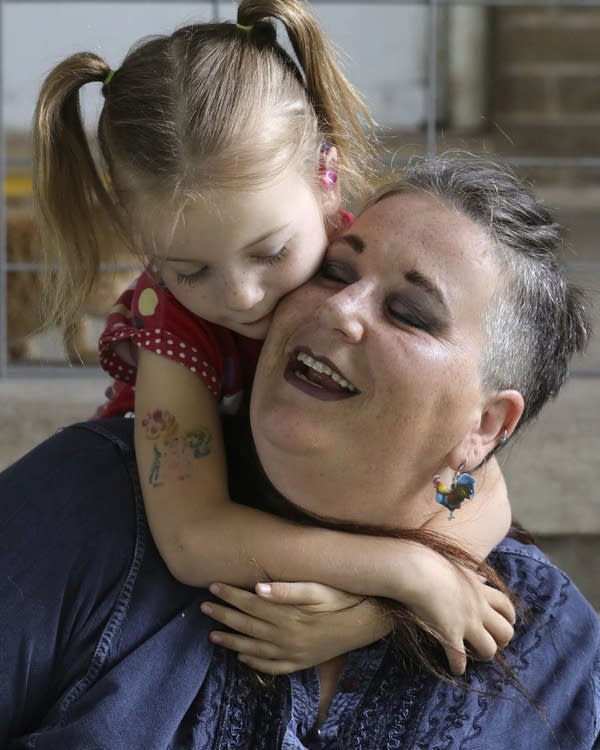
Grace, a mother from Zimbabwe, has faced immense challenges after giving birth to an intersex child. Her son, Tatenda, was born on August 1, 2013, and the journey of acceptance has been difficult for her.
“Tatenda was born with intersex traits, which means his reproductive or sexual anatomy doesn’t fit the typical definitions of male or female,” Grace shared. “It took me some time to accept his condition. It’s a painful situation.”
Intersex individuals have variations in chromosomes, hormones, or other physical characteristics that do not conform to the traditional binary understanding of sex. According to the Intersex Society of North America, approximately 1.7% of the world’s population is born with intersex traits. However, this biological condition is often misunderstood, especially in societies where gender norms are rigid.
In Zimbabwe, intersex people are frequently confused with members of the LGBTQ community, leading to further stigma and discrimination. Homosexuality is strongly detested in the country, making it even harder for intersex individuals to be accepted.
Tatenda faces significant challenges at school and in the community. He is often laughed at and labeled as having a confused gender. Some even consider him a curse. This social rejection adds to the emotional burden on Grace and her family.
The situation is compounded by the absence of support from her husband, who has distanced himself since learning about their son’s condition. “He used to be a loving father, but now he is distant and violent,” Grace said. “He does not contribute to our children’s upkeep. When he works menial jobs, he comes home drunk and harasses me and the children.”
Grace has had to take on the responsibility of providing for her family alone. She survives on piece jobs and sometimes relies on farming in her small garden to ensure the survival of her five children, with Tatenda being the second.
Tatenda’s health is also a major concern. He is often sick, suffering from backaches and stomach pains. However, accessing medical care is a challenge due to financial constraints. “I wish to see Tatenda through school and become someone in life,” Grace said.
Despite these hardships, Grace remains hopeful. She dreams of starting a chicken business, which would allow her to better care for her children. “I believe time will heal my wounds,” she said.
Challenges Faced by Intersex Individuals in Zimbabwe
Kudakwashe Murisa, a member of the Intersex Community of Zimbabwe, shared his experiences growing up as an intersex person. “Societal norms and values make it hard for us to be accepted. We face stigma, discrimination, and non-consensual surgeries. Access to education is also limited.”
Murisa explained that when intersex individuals are born, they are often assigned a sex at birth, either male or female. However, as they grow, they may realize that their biological makeup does not align with the assigned sex. This leads to difficulties in using official documents like national IDs or birth certificates.
Dorcas Chitiyo, coordinator of the Health Law and Policy Consortium of Zimbabwe, highlighted the legal challenges faced by intersex people. “Zimbabwe’s laws do not recognize intersex as a gender marker, forcing individuals to conform to binary categories. This often results in irreversible surgeries or inaccurate documentation.”
Chitiyo emphasized the need for the government to acknowledge intersex as a separate sex category. “Once recognized, many things will change, including how intersex people are treated in society.”
Medical and Legal Reforms Needed
Norman Matata, secretary-general of the Zimbabwe Association of Doctors for Human Rights, stressed the importance of educating intersex individuals and their families. “Intersex individuals are biological variations, not pathologies. We should avoid non-consensual surgeries and instead provide psychosocial support.”
Matata pointed out that Zimbabwe lacks clear guidelines for medical practitioners on treating intersex individuals. “We are pushing for guidelines that delay medical or surgical interventions until individuals are old enough to give their own consent.”
The global shift toward a human rights-based approach to intersex individuals is encouraging. “We hope that Zimbabwe will follow suit and protect the rights of intersex people,” Matata added.
Conclusion
Grace’s story highlights the struggles of intersex individuals and their families in Zimbabwe. Despite societal stigma, lack of legal recognition, and limited access to healthcare, there is hope for change. With increased awareness, education, and policy reforms, intersex people can lead dignified lives without fear of discrimination or unnecessary medical interventions.


