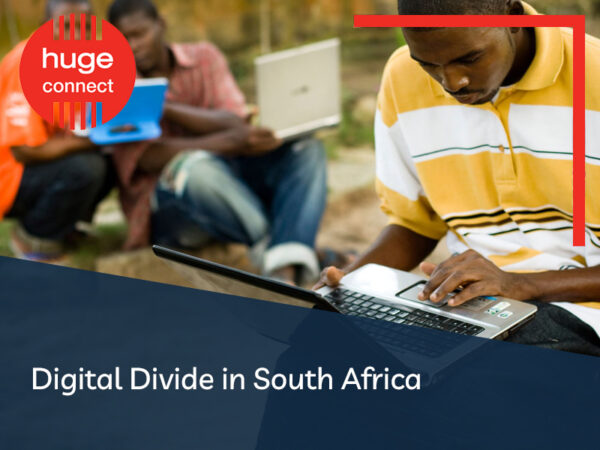
Addressing the Digital Divide in Africa
A combination of state initiatives and private investment is playing a pivotal role in bridging the digital divide across African countries. From tower constructions to satellite launches, efforts are underway to close the gap in rural connectivity while strengthening national digital networks.
Senegal’s Digital Expansion
Senegal has announced an ambitious plan to build 774 new telecom sites as part of a $115 million digital initiative aimed at connecting 1,540 towns by 2029. This project targets four key zones: the Groundnut Basin, Casamance, the southeast, and the northwest. According to the Digital Economy Acceleration Project (PAENS), these areas suffer from significant digital gaps, with 24% of localities having no network, 37% experiencing frequent signal loss, and only 52% enjoying 4G coverage.
The report also highlights that these deficiencies affect social infrastructure such as schools and health centers located in remote areas, which hampers access to essential services. The planned installations aim to address these issues for over 436,000 people, particularly in rural communities where schools and clinics remain unconnected.
Zambia’s Market-Driven Approach
Zambia is taking a more market-driven approach to digital expansion. Airtel and tower company IHS have already activated dozens of towers and are promising more than 150 live sites before the end of 2025. So far, 38 towers are already standing, with another dozen expected to go live before September ends. Airtel has committed $14 million to the rollout, allowing for quick mobilization without waiting for budget cycles or donor support.
The Zambia Information and Communication Technology Authority (ZICTA) is also contributing to the effort. The regulator has already switched on 43 rural towers and plans to add 80 more in the final quarter of 2025, fitted with hybrid systems to ensure round-the-clock connectivity. These rollouts reflect a broader trend in 2025, with African states leveraging public universal access funds while operators and tower companies accelerate builds through private capital.
Challenges in Rural Connectivity
Despite these efforts, challenges persist in maintaining rural connectivity. Robert Kirong, an ICT lecturer at Masinde Muliro University in Kenya, emphasized the importance of ensuring that towers remain operational. “Rural sites are often at risk from theft, vandalism, or maintenance neglect,” he said. “Without budgets for spare parts and security, investments can degrade quickly.”
In Zimbabwe, the government has announced plans to set up digital hubs in Bikita and Mhondoro-Ngezi districts in partnership with the UN’s Food and Agriculture Organization. These hubs will serve as one-stop shops for residents to access digital tools and services, including artificial intelligence, mobile apps, and financial services, which could improve agricultural production output.
The Role of Affordability
Affordability remains a critical barrier to digital inclusion. According to the International Telecommunication Union (ITU), only 38% of Africans were online in 2024, with a stark divide between urban (57%) and rural (23%) areas. Mulongo highlighted that data costs and handset prices are structural barriers that no amount of masts or satellites will fix on their own.
Nigeria and Ethiopia’s Strategies
Nigeria is betting on scale, with the Federal Executive Council approving the construction of 7,000 telecom towers to extend 5G and rural coverage. Ethiopia is pursuing both state and market routes, with Ethio Telecom planning to deploy 1,298 new mobile sites in FY2024-2025, including 165 rural sites, alongside major fibre extensions. Safaricom Ethiopia is matching this effort with a $1.5 billion programme to build 5,000 new towers over three years.
Kenya is also densifying its network, with Atlas Tower Kenya marking its 400th tower in early 2025, underscoring the pace of independent tower company expansion. Meanwhile, Safaricom has been rapidly expanding its 5G footprint, adding hundreds of new 5G sites in the first half of the year.
Satellite Connectivity Gains Momentum
Satellite services have become a fast-moving vector for connectivity in 2025, especially in areas where ground builds are slow or terrain is hostile. Starlink and other Low Earth Orbit (LEO) providers have been rolling into African markets, offering near-immediate coverage in remote areas. Starlink went live in Chad and more than 20 other African countries in 2025.
National actors are partnering with LEOs too. Nigeria’s NIGCOMSAT signed a deal to partner with OneWeb to deliver LEO connectivity nationwide, blending state satellite infrastructure with commercial capacity. Private distribution and reseller deals are accelerating reach, with Airtel Africa agreeing to distribute Starlink connectivity in select markets since May 2025.
Ground Infrastructure Developments
Ground infrastructure is also following suit. Atlas Space Operations and others expanded ground-station capacity in Rwanda and Ghana in 2025, improving the ability to manage LEO services locally and support national data needs. While satellites bring speed and reach, they are not a silver bullet, as capacity limits, licensing, and regulation remain hurdles.
A Hybrid Playbook for Connectivity
The acceleration of tower builds, combined with momentum in satellite technology, offers a hybrid playbook for tackling Africa’s connectivity gap. Towers densify population centers and serve public institutions, while satellites plug remote blindspots and provide resilience where terrestrial grids fall short. Experts argue that blended finance is the way forward.
“Public funds can de-risk rural sites while private capital drives scale and speed, and satellites can be gated into national plans to serve schools, clinics, and emergency services,” Mulongo added.


