The Debate on Cannabis Oil in Nigeria
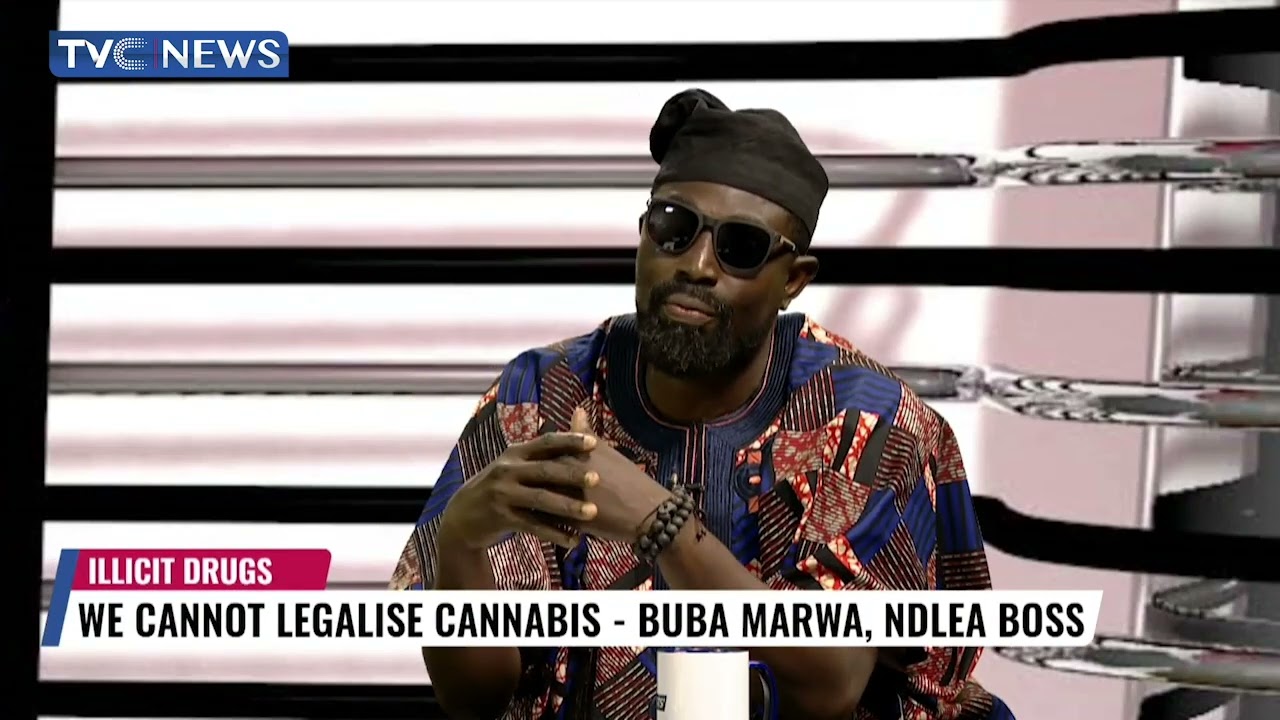
The National Drug Law Enforcement Agency (NDLEA) has taken a clear stance on the issue of cannabis oil, emphasizing the importance of controlled and regulated export while remaining firm on its opposition to local consumption. This position was articulated by Brig-Gen Mohamed Marwa (Rtd), the Chairman and Chief Executive Officer of NDLEA, during a stakeholders’ workshop titled “Cannabis Oil Debate: The Path Forward for Nigeria.” Organized by the Nigerian Academy of Science (NAS) in Abuja, the event aimed to foster dialogue and gather insights from various experts.
Marwa highlighted that NDLEA welcomes discussions about cannabis oil, as it is essential for Nigeria to make informed decisions rather than being swayed by half-truths or commercial interests. He emphasized that while cannabis oil may have potential medicinal properties, it also poses health risks and could be misused. Therefore, he stressed the need for scientists, medical professionals, policymakers, and regulators to collaborate and ensure that all evidence is scrutinized before any decisions are made.
The NDLEA boss clarified that the agency is not against science or innovation but insists on caution. He stated that policies must prioritize public safety and protect lives. While the agency is open to the idea of exporting cannabis oil to countries that desire it, this must be done under strict control, licensing, and monitoring by NDLEA, with all such activities confined to export-free zones.
Complex Dimensions of Cannabis
Marwa pointed out that cannabis is not just another plant; it carries complex medical, social, and economic implications. For years, the debate around cannabis has been one-sided, with advocates focusing on its benefits while downplaying the risks. To address this imbalance, NDLEA commissioned an ongoing study on cannabis oil by the Nigerian Academy of Science, aiming to gather comprehensive data and evidence.
In a country like Nigeria, which already faces a significant burden of drug abuse, it is crucial to approach this issue with clarity and balance. Marwa noted that much of the public discourse highlights the therapeutic uses and commercial value of cannabis oil, but the risks are often overlooked. Evidence shows that cannabis, including its oil extracts, can negatively affect mental health, particularly among young people. Prolonged or uncontrolled use is linked to anxiety, depression, psychosis, and cognitive impairment.
Another critical concern is the lack of standardized production and regulation of cannabis products globally. Many products sold as “cannabis oil” vary in potency, contain contaminants, or are misused outside medical supervision. Nigeria already has one of the highest rates of cannabis misuse worldwide, making it imperative to address these issues proactively.
Alternative Development Project
As part of efforts to mitigate the consequences of illicit drug cultivation and production, NDLEA introduced an alternative development project in 2023. This initiative aims to reduce vulnerabilities such as ignorance, poverty, hunger, unemployment, and underdevelopment that push individuals into illicit economies, particularly illicit drug cultivation.
The project emphasizes ethical responsibility and commitment to developing transformative policies and humanitarian responses to address drug-related problems. It seeks to end the complexities and violence associated with the war on drugs in Nigeria and globally.
Stakeholders’ Perspectives
During the workshop, President of the Nigerian Academy of Science (NAS), Prof Abubakar Sambo, represented by Vice President Prof Friday Okonofua, highlighted the importance of reaching a consensus on the contentious issue of cannabis oil use. He noted that the workshop aimed to produce evidence-based consensus work that would guide future decisions regarding the use of cannabis in Nigeria.
Chairman of the NAS study committee on cannabis oil use, Prof Musbau Akanbi, commended NDLEA for its proactive approach in working with the Academy to develop a science-driven guide for Nigeria. He explained that the committee collected extensive literature from around the world and organized the workshop to bring together experts and stakeholders to present evidence that would assist NDLEA in fulfilling its responsibilities.
Dr Samuel Adekola, representing Governor Lucky Aiyedatiwa of Ondo State, emphasized the importance of moving from debate to design and from potential to policies. He urged participants to contribute constructively to craft a model that benefits consumers, the Sunshine State, and Nigeria as a whole.
Expert Insights
In his keynote address, Prof Oye Gureje, Director of the WHO Collaborating Centre for Research and Training in Mental Health, Neurosciences, and Substance Abuse at the University of Ibadan, highlighted that cumulative evidence suggests cannabis has some limited medical use. However, widespread recreational use is likely to increase the risk of psychosis, and public health may be moderately affected by increased use, such as through road accidents.


