
The Power of Bone-Fueling Foods
Nearly 99 per cent of our bones are made up of a crucial mineral the body can’t make on its own: calcium. This essential nutrient plays a vital role in shaping the strength and structure of our bones, while also ensuring the heart muscle contracts properly, digestive enzymes function effectively, and the nervous system operates smoothly. According to health guidelines, we should be consuming around 700mg of calcium daily to maintain optimal bone health.
However, if your diet lacks sufficient calcium, the body starts to leach it from your bones, weakening them over time. This is where bone-fueling foods come into play—dietary staples that help protect and strengthen our bones. These aren’t just limited to dairy products. In fact, our bones require a variety of vitamins and minerals to stay healthy, especially as we age when bones tend to weaken.
Here’s an expert-led guide to the six best foods to fuel your bones—from prunes to pinto beans.
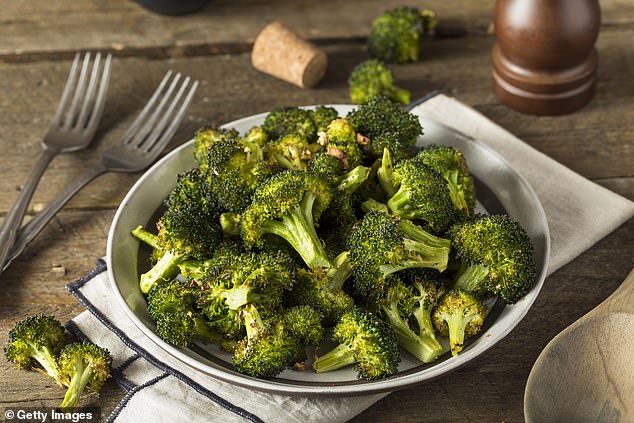
Broccoli: A Hidden Calcium Source
While dairy is often seen as the primary source of calcium, it’s not the only way to get this essential mineral. Dark leafy greens are also excellent sources, but experts caution against certain types like spinach, Swiss chard, sorrel, and beets, which contain oxalic acid that hinders calcium absorption.
Instead, consider broccoli. Just one cup of cooked broccoli contains 45mg of calcium. According to Thalia Pellegrini, a London-based registered nutritionist, broccoli is a fantastic source of calcium and also provides other important vitamins for bone health. It’s rich in beta-carotene (a precursor to vitamin A), vitamin C, and vitamin K1—all of which contribute to maintaining strong bones.
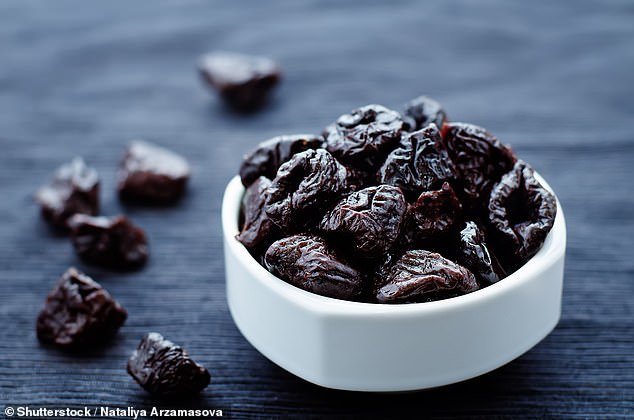
Prunes: A Dried Delight for Bones
Like many dried fruits, prunes are packed with minerals such as calcium, potassium, magnesium, and iron. They also offer a significant amount of dietary fiber, which supports gut health. The Royal Osteoporosis Society recommends dried prunes as a good source of calcium for bone health.
A recent study at Penn State University found that eating five to six prunes daily helped preserve bone mineral density in post-menopausal women over 12 months, reducing their fracture risk. Nutritionist Thalia Pellegrini suggests soaking prunes before adding them to porridge or baked goods, or pairing them with cheese or nut butter for a delicious treat.
While prunes are high in natural sugars, they should be consumed in moderation to avoid dental issues. Rinsing your mouth with water after eating them can help prevent plaque buildup.
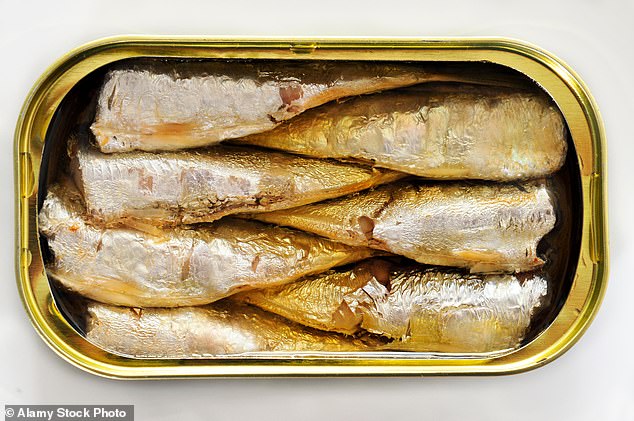
Tinned Fish: A Calcium-Rich Option
Oily fish, particularly tinned varieties, is another excellent choice for bone health. Tinned sardines and mackerel are especially beneficial because they include the edible bones, which are rich in calcium. According to Thalia Pellegrini, these small fish are not only affordable but also packed with omega-3 fatty acids that support both bone and joint health.
One portion of tinned sardines provides 340mg of calcium, nearly half of the recommended daily intake. They also supply a quarter of your daily vitamin D, which helps absorb calcium and supports immunity. Tinned salmon is another option, offering 180mg of calcium per 50g portion.
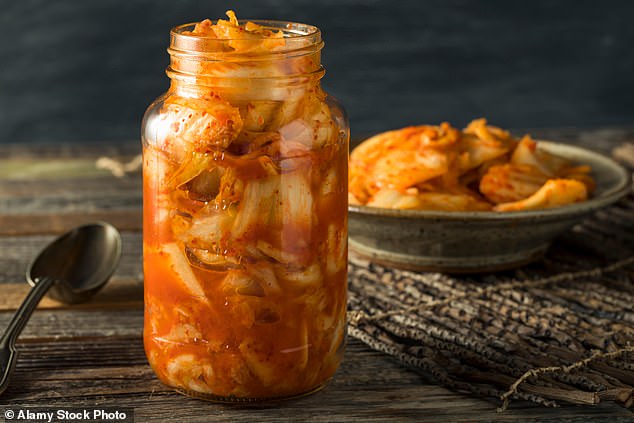
Fermented Foods: Boosting Vitamin K for Stronger Bones
Fermented foods are gaining recognition for their benefits in supporting bone health. According to Ruchi Bhuwania Lohia, a longevity nutritional therapist, fermented foods like soya products, sauerkraut, and kimchi are rich in vitamin K, which is essential for bone strength. This nutrient activates proteins involved in bone formation and is linked to reduced bone loss and fractures.
Vitamin K is also produced during the fermentation process, making these foods a valuable addition to a bone-healthy diet. Common examples include kimchi, sauerkraut, tempeh, kombucha, and yogurt. These foods also support gut health, which is crucial for nutrient absorption.
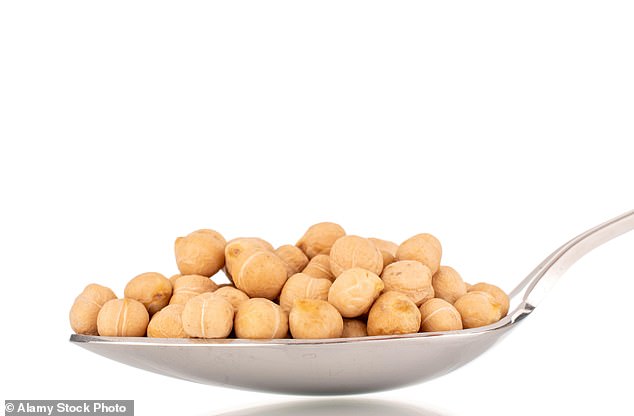
Beans: A Nutrient-Dense Choice
Magnesium is another key nutrient for bone health, as it helps the body utilize calcium and vitamin D. Approximately 60% of the magnesium in our bodies is stored in our bones, and low levels have been associated with decreased bone mineral density and osteoporosis risk.
Beans are a great source of both calcium and magnesium. For example, a cup of cannellini, navy, or great Northern beans contains around 190mg of calcium, while a cup of black beans provides 120mg of magnesium—nearly a third of the daily recommendation. Thalia Pellegrini suggests adding beans to casseroles or salads for an extra boost of nutrients.
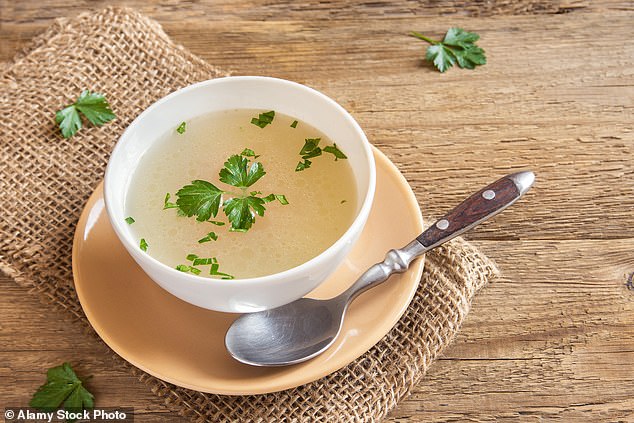
Bone Broth: Collagen for Bone Health
Bone broth may not have the same calcium content as tinned fish, but it offers other benefits for bone health. According to Ruchi Bhuwania Lohia, bone broth is rich in collagen, a protein that supports bone density and structure. Collagen makes up nearly 90% of the protein in our bones and plays a critical role in bone development.
As we age, collagen production declines, but supplementing with collagen may help improve bone density and strength. Bone broth is a convenient way to incorporate this nutrient into your diet, especially during colder months. You can make it at home or purchase it from health food stores, often with added chicken and vegetables for a hearty meal.
Read more
Is your reliance on oat milk silently weakening your bones? Discover how your plant-based choice could impact your long-term bone health!
Surprising sources to supercharge your diet with calcium: From Ovaltine to dried basil, the hidden heroes revealed!
Could a lack of nutrients be putting Brits at risk of life-threatening fractures? Discover the vital diet changes experts recommend to combat osteoporosis!
Is bone broth the secret elixir for collagen, glycine, AND a nourished body according to this expert’s explosive new advice?
Could missing out on these superfoods be leading to brittle bones and heart issues?


