New Walk-In GP Centres: A Promising Initiative or a Half-Baked Plan?
John Swinney, the First Minister of Scotland, has recently unveiled a new initiative aimed at addressing the challenges within the National Health Service (NHS). The plan involves setting up a network of 15 walk-in GP centres across Scotland. These centres are designed to offer appointments and alleviate the “8am rush” for medical consultations. However, the proposal has been met with skepticism from various quarters.
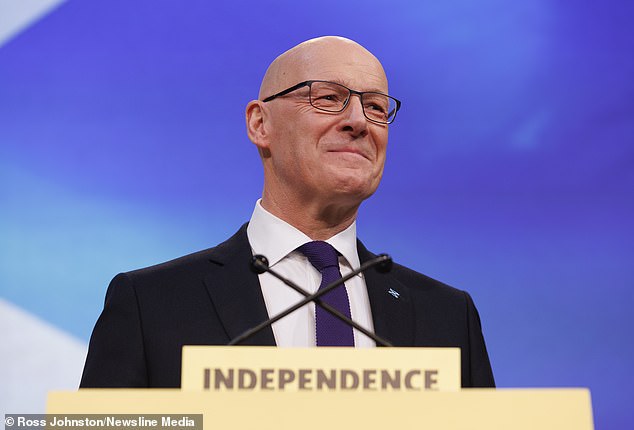
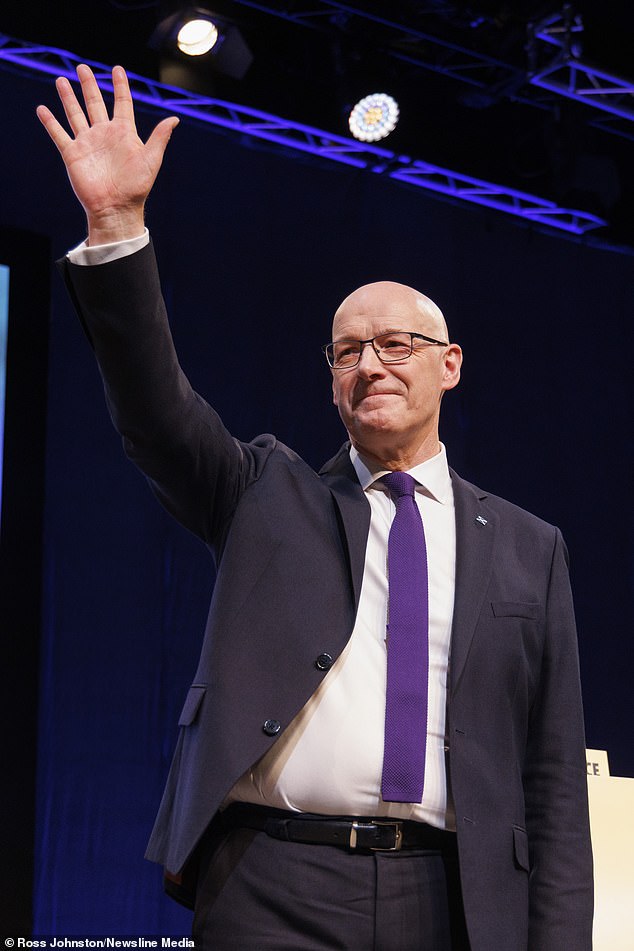
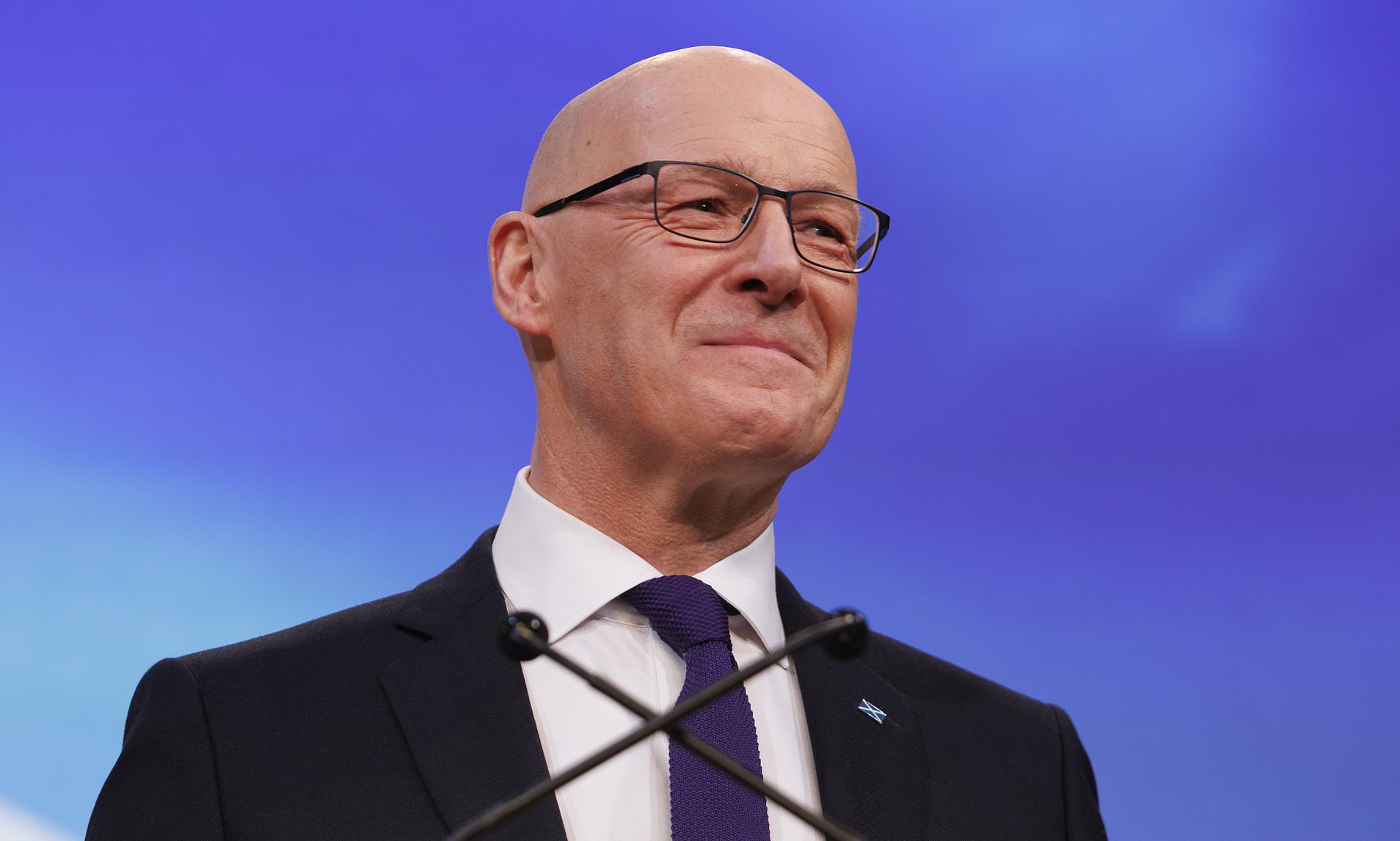
The First Minister announced the initiative during his keynote address at the SNP conference. He emphasized that these walk-in centres would be open from 12pm until 8pm, seven days a week, and would be strategically located in high streets or near schools and workplaces. Despite this, there is little detail available regarding the timeline for the full network of 15 centres to become operational. It is also unclear how the centres will manage the projected one million appointments per year, which equates to approximately 183 appointments daily per site.
The cost of the first phase of 15 sites is estimated to be around £30 million, but no specific figures have been provided for setup costs. The proposal is modeled on existing walk-in centres in England, which have been operational since 2000. However, it has faced criticism from medical professionals who argue that the plan may not provide value for money.
Criticisms and Concerns from Medical Professionals
The Royal College of General Practitioners (RCGP) expressed concerns that the proposal does not address the major barriers to good access, such as critical workforce shortages and unmanageable workloads. Dr Chris Provan, chairman of the RCGP, highlighted that while there has been a modest increase in whole-time equivalent GPs over the past year, Scotland still has fewer GPs today than it did a decade ago. This fundamental issue remains unaddressed by the new initiative.
Dr Iain Morrison, chairman of the British Medical Association’s Scottish GP committee, echoed these concerns. He stated that restoring funding and shifting the balance of care to general practice would provide the foundation for a brighter future for practices and patients. However, he warned against diverting essential resources into pilot schemes with limited potential.
Political Rhetoric and Independence Ambitions
In addition to the healthcare proposals, Mr. Swinney’s speech was dominated by references to independence. He claimed that the SNP government has a “winning formula” and boasted about the party’s record despite heavy criticism of its performance. He condemned the Labour government and claimed that Westminster is “broken beyond repair.”
Mr. Swinney also announced plans to sponsor “hundreds” of foreign care workers affected by UK immigration changes. This initiative aims to help these workers find employment in Scotland, ensuring that care homes remain operational. The Scottish Government will allocate £500,000 to assist international workers with relocation costs.
Opposition Reactions and Public Sentiment
Scottish Conservative leader Russell Findlay criticized Mr. Swinney’s latest plan, calling it “half-baked.” He argued that the SNP government has left a trail of broken promises over nearly two decades. He suggested that Mr. Swinney’s focus on independence would only excite diehard nationalists, while others urge him to “move on.”
Dame Jackie Baillie, Scottish Labour deputy leader, criticized Mr. Swinney for focusing on independence in his speech, claiming it was filled with grievance and disinformation. She pointed out that the alarm bells regarding the NHS crisis have been ringing for years, and the new initiative appears to be another “sticking plaster” solution.
Future Implications and Challenges
The success of the walk-in GP centres will depend on several factors, including implementation details, resource allocation, and the ability to address the underlying issues within the NHS. While the initiative aims to improve access to healthcare, it must also contend with the broader challenges facing the Scottish healthcare system.
As the debate continues, the public remains watchful of the SNP’s promises and their ability to deliver on them. The coming months will be crucial in determining whether this new initiative can make a meaningful impact on the lives of Scottish citizens.