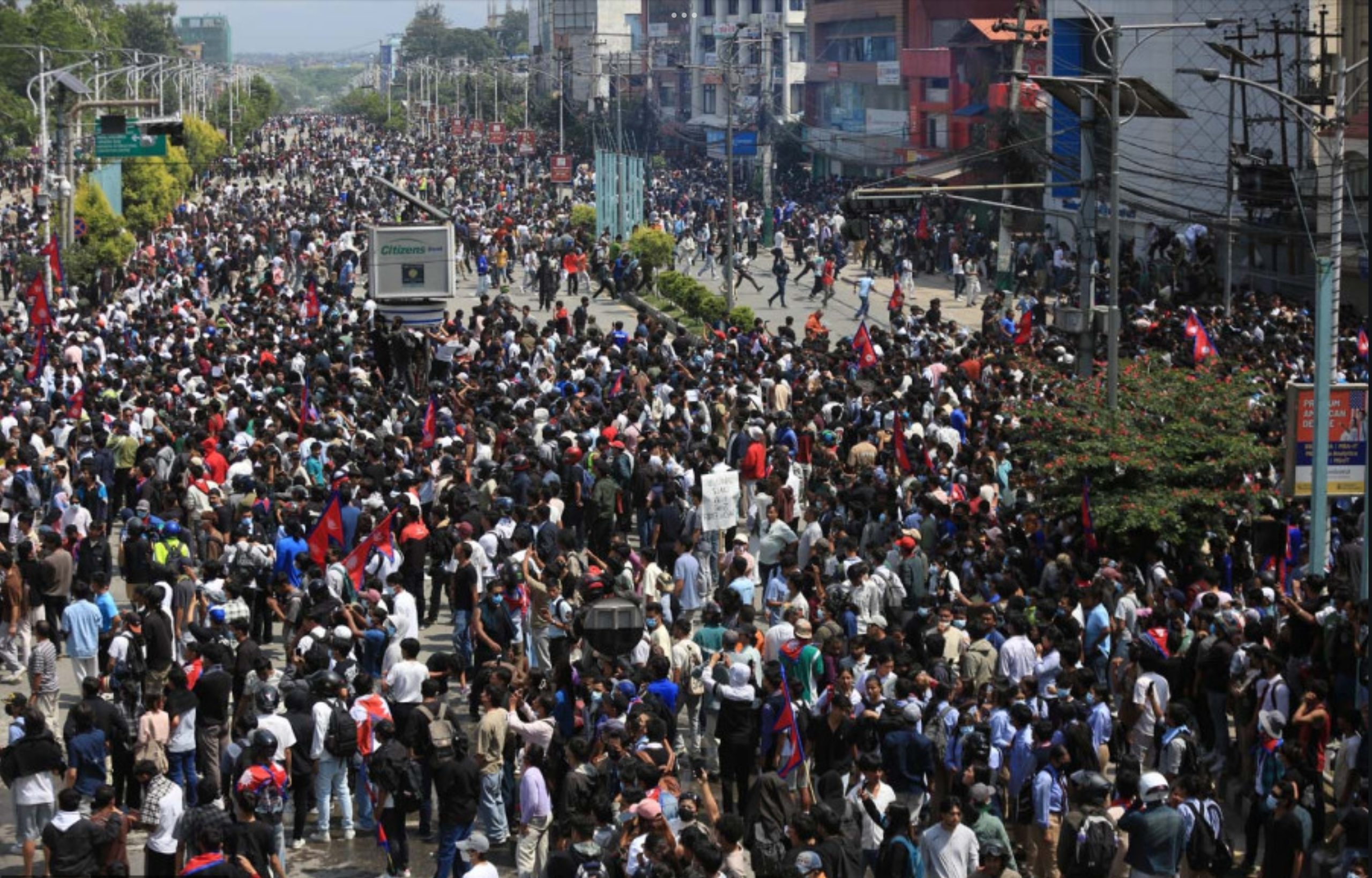
Understanding the Protests in Nepal
Nepal has experienced a series of events that have sparked intense discussions, with many seeking to analyze what occurred on September 8 and 9. These conversations have taken place across various platforms, including newspapers, forums, webinars, and podcasts. However, similar to post-earthquake debates, people often rely on pre-existing assumptions about how Nepal functions. The main challenge is not to create more ‘hot takes’ but to listen, understand the events, and question our assumptions about Nepal and its politics.
Most explanations of the protests have been predictable and well-worn. One common narrative suggests that the violence was chaotic and nihilistic, driven by young, poorly educated individuals using smartphones. Another explanation from the Left argues that the movement lacks a class-based alliance and will eventually fracture without creating lasting change. A third perspective claims the protests were orchestrated by foreign powers through NGOs, aiming to destabilize Nepal or remove Prime Minister KP Oli. Lastly, some suggest it was a continuation of pro-monarchy riots from March 2025.
These explanations fail to address key aspects of the protest. For instance, the first explanation overlooks the organization behind the initial demonstrations, including the coordination needed for consistent messaging. Many young people interviewed on Nepali news channels emphasized that the protests were about corruption, not a social media ban. Additionally, the widespread support for the protesters in society contradicts the idea that the movement lacked significance.
The Left’s explanation assumes a narrow understanding of political action, struggling to explain the politicization of urban youth and the role of newer types of NGOs. It also presumes that the authentic poor Nepali is a farmer in remote Karnali, rather than an urban jobless youth who speaks English and uses global memes.
The third explanation overstates Nepal’s importance in global affairs while underestimating its influence through UN peacekeeping, the diaspora, and the inspiration it has given to young people worldwide. The fourth explanation ignores basic journalistic research, as there have been numerous protests involving young people over issues like migration permits and foreign language exams, which were previously considered marginal.
Wrong Assumptions
Before offering my own perspective, it’s essential to examine the deeper assumptions driving opinions and analyses. One major assumption is that, despite the unpredictability of the protest, we can confidently predict what will happen next. Another common belief is that old political parties are too powerful to be removed from public life. This assumption, even among Gen Z-ers, may be true, but it limits columnists from considering changes beyond traditional party squabbles.
Another assumption is that anyone living in urban areas and speaking English in Nepal is elite. Additionally, there’s an assumption that one must be articulate to enter politics, which is often misunderstood by Gen Z protesters themselves, many of whom were unprepared for sudden public attention. The question remains: What kind of articulation is valued, and by whom?
There is also a peculiar assumption about social media, where some commentators believe protesters blindly follow clickbait and algorithms. While misinformation is a legitimate issue, the assumption here is that without instructions, young people wouldn’t protest. The common thread in these narratives is that protesters are puppets of other actors and cannot think or act independently.
Hot Take
My only hot take is that we still know very little about the Gen Z groups involved in the protests. We lack information about what happened on September 8 and 9, the origins of the protest groups, or how Gen Z organized themselves outside Kathmandu. The myth that Nepal or Kathmandu is a sano sansar has been shattered by a movement that wasn’t widely known, didn’t interact much with foreigners, and wasn’t recognized as prominent figures.
They have shared their problems: supporting both parents and themselves, often unsuccessfully; living in urban areas and attending private schools at great cost; facing challenges despite being smarter than peers who do get opportunities; and having no safety net or plan B. These issues are not understood, prioritized, or taken seriously by many analysts and commentators.
Some media outlets have sought to interview Gen Z protesters, leading to insightful discussions that refute many of the above explanations. While newness can be overstated, maintaining a critical eye is important. What happened in two days in September appears to stem from a different and original movement, whose participants deserve a fair hearing and not just recycled narratives.


