The Gen Z Protests and Their Regional Impact
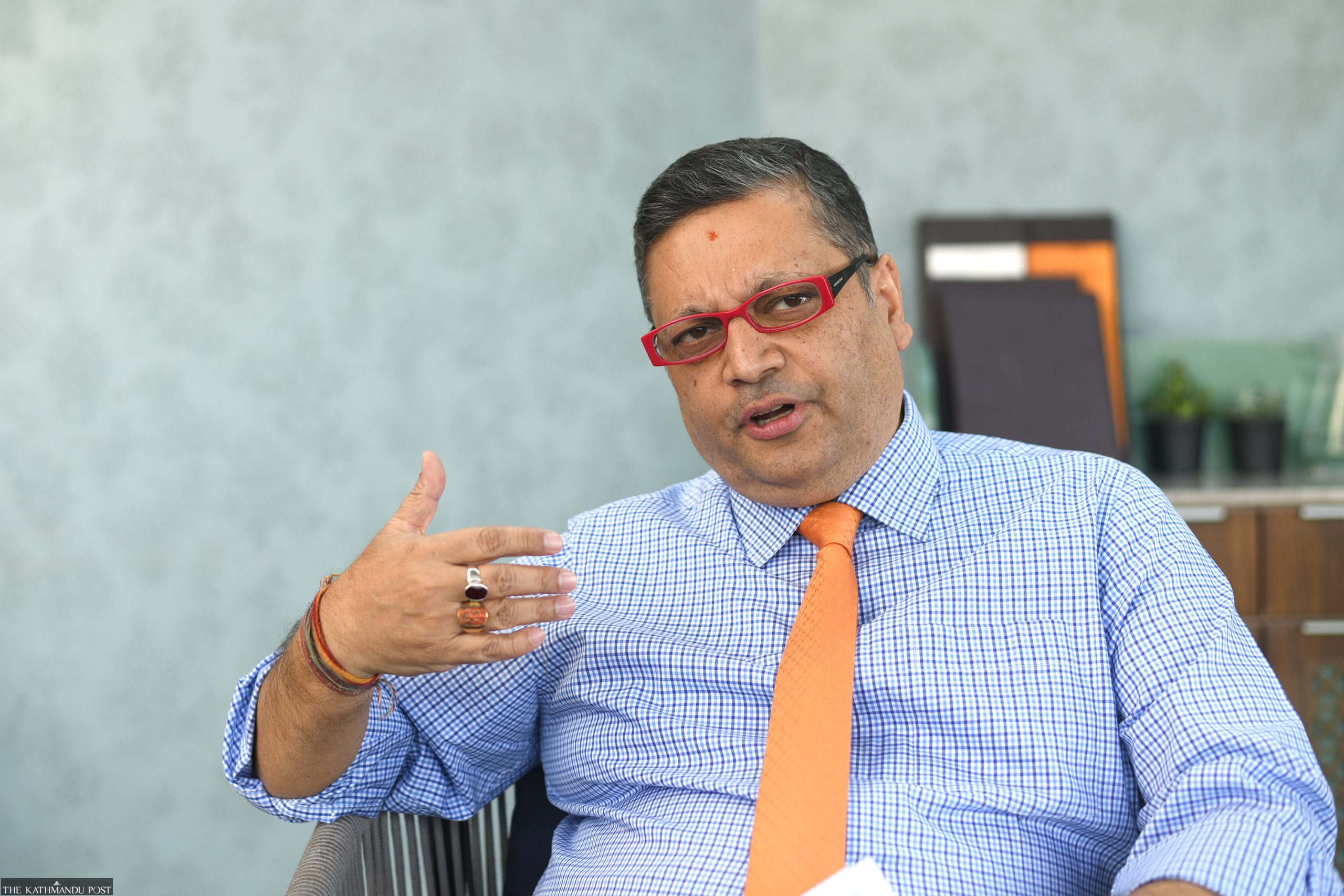
The Gen Z protests in Nepal on September 8 and 9 were not an isolated event, but rather a part of a broader wave of uprisings across South Asia. These protests have been shaking the foundations of several nations in the region for years. The effects of these demonstrations on Nepal’s foreign policy are still being evaluated. A discussion with Nishchal Nath Pandey, a foreign affairs expert, highlights the comparative analysis of the Gen Z protests and similar uprisings in South Asia, along with their implications for foreign affairs.
Common Elements in Regional Uprisings
In recent years, there have been several instances of rapid regime changes in South Asia. For example, President Ashraf Ghani fled Afghanistan in August 2021 after the Taliban took control of the country. In July 2022, Sri Lankan President Gotabaya Rajapaksa left the nation, then went to the Maldives and Singapore, following widespread protests. Prime Minister Sheikh Hasina of Bangladesh resigned and fled to India in August 2024 after weeks of violent protests, ending her two-decade rule.
A common thread among these protests was that they occurred after the COVID-19 pandemic. The failure of governments to manage the crisis effectively led to economic hardship and public dissatisfaction. In Nepal, the government did not implement sufficient measures to mitigate the pandemic’s impact, resulting in unemployment and disrupted livelihoods.
Lessons from Previous Uprisings
Despite the uprisings in Sri Lanka and Bangladesh serving as warning signals for Nepal, the country missed the lessons. The political class promoted narratives suggesting that Nepal was performing well, comparing its foreign reserves to those of Sri Lanka and asserting that its economy was stable. They also drew comparisons between Nepal’s regime and Bangladesh’s, claiming no similarities. However, the public did not accept these claims, leading to the protests in September.
The situation in Nepal was unprecedented, with the executive, legislature, and judiciary all facing destruction due to a loss of public trust. Despite the narratives set by the political class, people formed their own opinions based on their experiences. This lack of engagement with public concerns resulted in the “lightning strike” on September 8 and 9.
Handling of Protests Across the Region
In the three previous uprisings in South Asia, the leaders had to flee their countries. However, in Nepal, the Nepali Army managed to protect the head of state and government despite the chaos. This demonstrated the army’s effectiveness and trustworthiness among the people. The army’s non-violent approach impressed international observers, who acknowledged its swift restoration of law and order.
Foreign Conspiracy Theories
There are conspiracy theories suggesting that the protests were orchestrated by foreign actors. However, these theories lack evidence and logical support. The nationality of such actors has not been established. It is clear that the Gen Z protests were a domestic movement driven by the need for change and a response to malgovernance.
International Community’s Response
The international community is closely monitoring developments in Nepal. In response to the drastic changes post-protests, international actors may adopt a new approach towards Nepal. India has shown a positive response, with Prime Minister Narendra Modi praising the resilience of the Nepali people during an event in Manipur. Speculations about China’s unhappiness with the formation of an interim government are unfounded. China typically observes before reacting, and the Dalai Lama’s congratulations to the Nepali PM is a notable development requiring further analysis.
Interim Government and Foreign Policy
The interim government has yet to appoint a foreign minister. While this is desirable, it is not the most pressing issue. The prime minister can hold the portfolio, as seen in historical examples like Jawaharlal Nehru in India and Girija Prasad Koirala in Nepal. The interim government should focus on holding free and fair elections, ensuring a smooth transition to an elected government.
Recall of Ambassadors
Diplomatic positions in Nepal have often been treated as spoils of coalition politics. Random appointments and recalls of ambassadors undermine the credibility of the nation. The interim government must address this issue, considering the long-term benefits of appointing qualified individuals. However, this should not be the top priority. The parliament and future elected government must ensure good practices in diplomatic appointments.
Foreign Policy Approach Post-Protests
South Asia is becoming a stage for geopolitical competition. Nepal must avoid becoming a battleground for external forces. The interim government must prioritize holding free and fair elections on March 5, ensuring a smooth transfer of power. The elected government must correct past mistakes and engage all societal groups in dialogue to prevent claims of illegitimacy.
Maintaining law and order is crucial for legitimizing the elections. Programs to improve police morale and measures to recover looted weapons are essential. Additionally, apprehending criminals who fled during the unrest will help restore societal harmony.


