A Controversial Act of Clemency
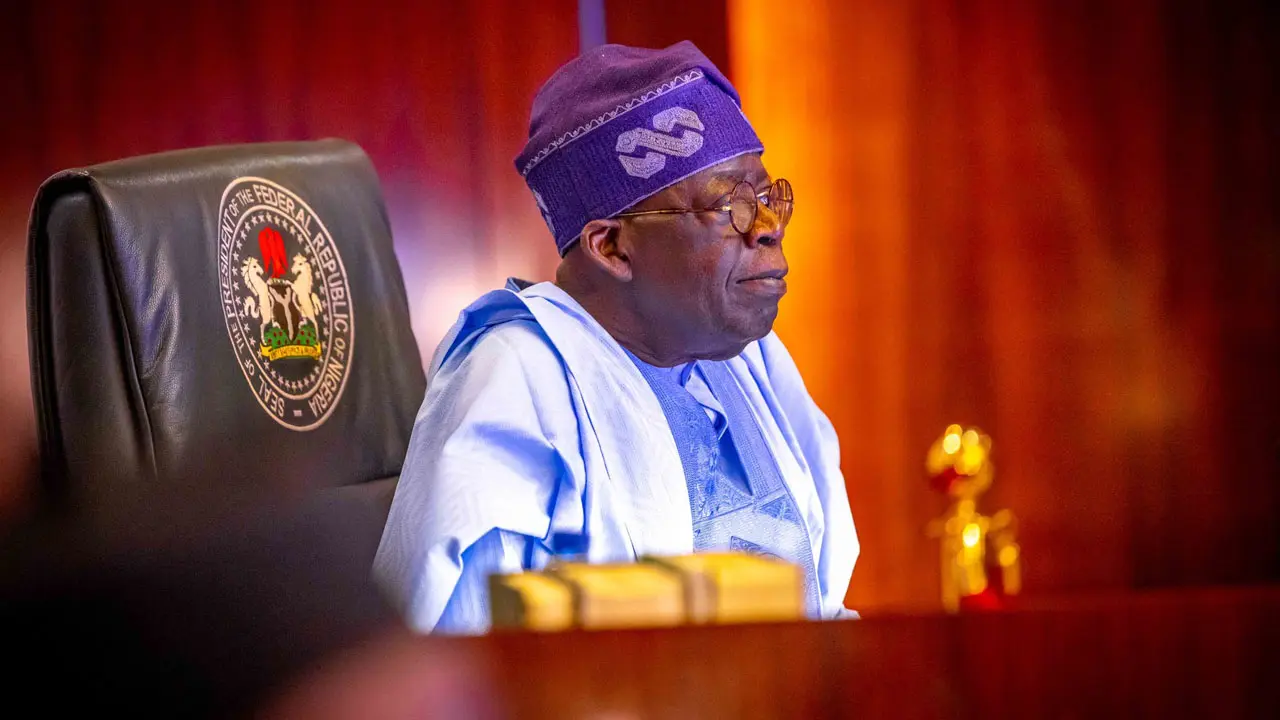
The recent act of granting state pardons to 175 individuals by President Bola Tinubu has sparked widespread debate and controversy across Nigeria. This gesture, which coincided with the country’s 65th independence anniversary, included not only living convicts but also those who had passed away. The move was executed under Section 175 of the 1999 Constitution, as amended, following recommendations from the Presidential Advisory Committee on the Prerogative of Mercy, led by the Attorney-General of the Federation and Minister of Justice, Lateef Fagbemi.
Among the beneficiaries were ex-convicts, convicted felons, and individuals involved in serious crimes such as drug trafficking, kidnapping, armed robbery, corruption, and murder. Notably, the list also included the Ogoni Nine activists, who were killed in 1993 during the Sani Abacha regime, and Herbert Macaulay, a prominent figure in the Nigerian nationalist movement who was wrongly imprisoned by the colonial administration.
A Diverse and Divisive List
The selection of individuals for clemency has raised significant concerns. Critics argue that the inclusion of dangerous elements—such as drug traffickers and murderers—many of whom were serving early stages of their sentences, is both offensive and indefensible. Public reactions have been largely negative, with many citizens expressing outrage over what they perceive as an unjustified release of individuals who pose a threat to society.
The Special Adviser to the President on Information and Strategy, Bayo Onanuga, defended the decision, citing fairness, justice, and national unity as key motivations. However, few outside the administration seem convinced by this rationale. Other criteria considered by the president reportedly included penitence, good conduct, and vocational training among the convicts.
A Retreat and a Call for Scrutiny
The backlash led to a public retreat by the Attorney-General of the Federation, Mr. Fagbemi, who stated that the process was under administrative review and that no one had been released yet. His committee’s recommendations were criticized as lacking thoroughness, raising questions about the integrity of the process.
Public scrutiny remains essential to ensure that the promised review leads to just outcomes. The peculiar nature of the list has even been leveraged by interest groups to demand the pardon of DCP Abba Kyari, a high-ranking official currently detained by the NDLEA over drug-related charges. Many of those pardoned were individuals his team had previously arrested.
The Sensitivity of State Pardons
State pardons are a delicate exercise in governance, requiring careful consideration to address cases of miscarriage of justice. Examples include the execution of Ken Saro-Wiwa and his Ogoni compatriots, as well as Mamman Vatsa during the Ibrahim Babangida regime, and the commutation of death sentences for those with terminal illnesses. These cases highlight the need for thoughtful application of clemency.
However, the current list has been criticized for its lack of coherence and potential political motivations. For instance, the pardon of Farouk Lawan, a former lawmaker involved in a bribery scandal, appears to be influenced by political considerations, possibly aimed at reintegration into the political landscape for future elections.
Consequences for Law Enforcement
The release of convicted criminals, particularly hard drug traffickers, has been seen as a setback for law enforcement agencies like the National Drug Law Enforcement Agency (NDLEA). It sends a troubling message to officers working at borders, ports, and airports that their efforts could be undermined by administrative decisions. Moreover, it raises concerns about the safety of those involved in the arrest and prosecution of these individuals.
Anthony Akinola, a journalist and human rights activist, acknowledged that some pardoned individuals were “embarrassing” but absolved the president of wrongdoing, arguing that he merely signed the list provided. However, critics argue that the president should have scrutinized the list more thoroughly before making such a decision.
Global Implications and Local Challenges
Nigeria’s role as a major producer, consumer, and distributor of hard drugs has drawn international attention. According to the United Nations Office on Drugs and Crime (UNODC), the country has become a critical hub for drug trafficking. The recent destruction of a massive cache of drugs by the NDLEA underscores the severity of the issue.
With the agency improving its operational efficiency under the leadership of Buba Marwa, any actions that undermine its efforts could have far-reaching consequences. The current act of clemency risks sending a contradictory signal to law enforcement and emboldening criminal networks.
Conclusion
The controversy surrounding the presidential pardon highlights the complex interplay between justice, politics, and public sentiment. While clemency can serve as a tool for correcting injustices, it must be exercised with caution and transparency. The current decision has raised legitimate concerns about the motives behind the list and the potential impact on law enforcement and societal safety. As the review process continues, it is crucial to ensure that justice is served without compromising the security and integrity of the nation.


