The Growing Concern of Migrant Repatriation to Ghana
Ghana is increasingly becoming a destination for individuals labeled as “illegal migrants” from the United States and Europe, often without significant diplomatic recognition. This trend has raised concerns about the country’s role in what many see as an unjust system of migration control.
In January 2016, the Government of Ghana accepted the transfer of two Yemeni ex-detainees from the U.S. military prison in Guantanamo Bay for a period of two years, despite widespread public opposition. This move was followed by recent announcements that additional West African migrants would be repatriated to Ghana under a USA-Ghana migrant repatriation deal. These developments have sparked significant debate and criticism both domestically and internationally.
Legal Challenges and Human Rights Concerns
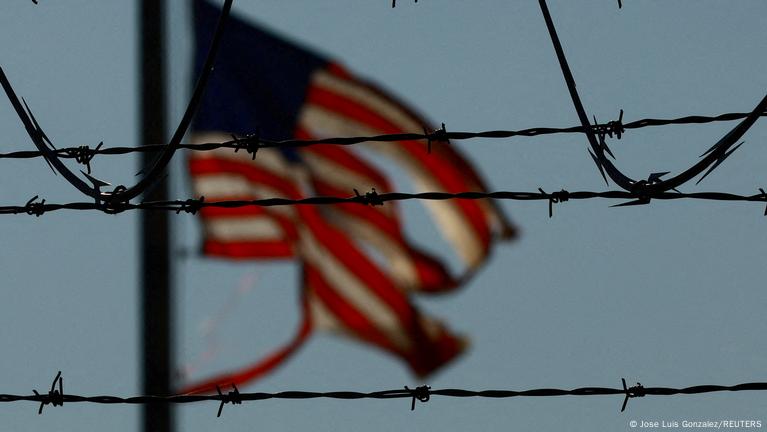
Eleven out of the 14 deportees have reportedly filed a lawsuit against the Ghanaian government, alleging illegal detention at a military base. The deal has been criticized as an attempt by the Trump administration to bypass U.S. immigration laws, particularly concerning individuals who may have legal protections against deportation due to risks of persecution or torture.
This policy, part of Trump’s broader deportation initiative, has drawn sharp criticism for its ethical implications. In the U.S., a federal judge accused the administration of circumventing immigration protections for vulnerable migrants, while opposition Members of Parliament in Ghana are calling for parliamentary approval of what they describe as an illegal act.
Government Defense and International Reactions
The Ghanaian government has defended its decision to accept a limited number of third-country migrants, stating that it does not endorse the Trump administration’s immigration policies. According to Ghana’s foreign minister, Okudzeto Ablakwa, the acceptance of migrants is based on principles of Pan Africanism and humanitarianism.
However, this justification has been met with skepticism. Critics argue that hosting migrants whose rights have been violated does not align with the principles of Pan Africanism. Some suggest that this move reflects a lack of diplomatic awareness, as countries like Burkina Faso and Mali have rejected similar offers, imposing retaliatory visa requirements against U.S. citizens.
Human Rights Violations and Global Implications
Political analysts argue that by accepting these migrants, the Ghanaian government is complicit in human rights violations. Continued acceptance of such migrants could encourage further deportations, perpetuating a cycle of abuse.
Supporters of the 11 migrants’ legal action emphasize that Ghana should not serve as a dumping ground for those subjected to human rights abuses. They advocate for a more dignified approach to migration, one that respects the rights and dignity of all individuals.
The Role of Western Nations and Globalization
The concept of globalization, once promoted as a means of fostering international cooperation, has been criticized for benefiting Western nations at the expense of others. While Western countries have encouraged African students to study abroad, they have simultaneously tightened immigration policies to limit African access to their labor markets.
This double standard raises questions about the true intentions behind globalization and the treatment of African migrants. Many argue that the current system perpetuates historical inequalities, reinforcing a narrative that devalues the contributions of Africans to global development.
The Legacy of Slavery and Colonial Exploitation
Historically, the economic foundations of the United States and Europe were built on the labor and suffering of African people. The transatlantic slave trade and colonial exploitation laid the groundwork for the wealth and power of these nations today. Yet, the descendants of those who contributed to this development continue to face systemic discrimination and marginalization.
This legacy is reflected in the disproportionate representation of African Americans in the criminal justice system, where incarceration serves as a tool to undermine the potential of entire communities. The structures of justice, security, and immigration in Western countries are often designed to maintain this imbalance.
A Call for Justice and Accountability
Former President Nana Akufo-Addo highlighted the historical debt owed to Africa by Western nations, emphasizing that much of Europe and the United States was built on the backs of African labor. He called for a reevaluation of the topic of repatriation, urging a more equitable approach to addressing the legacies of slavery and colonialism.
The current situation in Ghana underscores the need for the international community to condemn forced repatriation and uphold the principles of human rights. As renowned Ghanaian poet Ama Atta Aidoo once asked, “Where will the whole western world be without Africans?” Her words remind us of the deep connections between the histories of Africa and the West.


