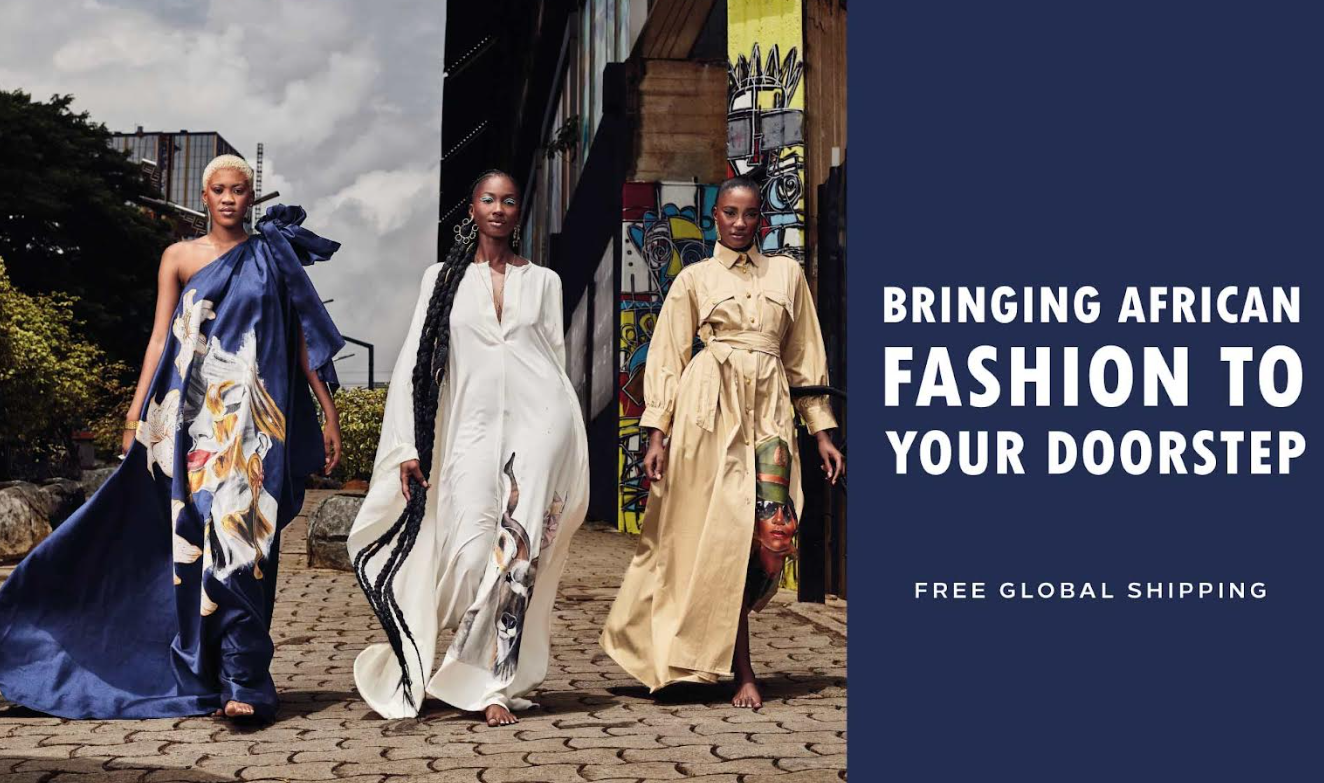
Introduction to the Ananse Centre for Design
The Ananse Centre for Design has officially opened its doors in Lagos, with a clear vision focused on job creation, empowerment, and sustainability. Located in the Lekki area of Lagos, this initiative was inaugurated by the Minister of Art, Culture & Creative Economy, Hannatu Musawa.
This new design centre is a result of a partnership between Ananse, the Mastercard Foundation, and the Federal Ministry of Art, Culture & Creative Economy. The goal of this collaboration is to enable over 5,000 emerging fashion and design-focused creatives while creating access to 50,000 jobs, with seventy per cent of participants being women.
A Hub for Creativity and Innovation
According to the initiative, the Ananse Centre for Design will address critical gaps in the fashion industry and serve as a hub for creativity, skills development, and entrepreneurship. It aims to drive innovation and inclusion within Nigeria’s fashion industry.
At the inauguration event, Samuel Mensah, the founder and CEO of Ananse, emphasized that the centre is more than just a space. He stated, “The Ananse Centre for Design Lagos is more than a space; it is a catalyst for change. By combining training, infrastructure and global market access, we are giving thousands of young creatives, especially women, the chance to turn their talent into sustainable livelihoods.”
Affordable Access to Training and Resources
Mensah also highlighted the affordability of the centre for ordinary fashion creators who typically do not make a lot of money. He explained that the centre has taken several steps to ensure accessibility:
- The first step involves working with partners like the Mastercard Foundation to provide free classes for those with limited resources.
- The second step includes subsidizing training fees so that even when there is a cost, it remains low compared to typical charges.
- The third step introduces access to advanced equipment at an hourly cost, allowing creatives to use expensive tools without the need to purchase them outright.
Strategic Partnerships and Goals
Rosy Fynn, the Country Director for the Nigeria Program at the Mastercard Foundation, expressed her support for the partnership with Ananse. She said, “Our partnership with Ananse and the unveiling of the Centre for Design Lagos reflects the Mastercard Foundation’s strategic commitment to the creative sector as a catalyst for youth opportunity.”
Fynn added that the foundation aims to create work opportunities for young people, with 10 million expected to come from Nigeria. She emphasized the importance of the creative sector in achieving this goal and praised Ananse for unlocking systemic barriers that hinder creatives.
Comprehensive Training Program
Participants of the training programme will benefit from 22 courses across five modules: Business Skills, Business Development, E-commerce, Marketing, and Product Development. These courses are delivered both physically at the Centre’s fashion hub and virtually through interactive live sessions.
Government Support and Expansion Plans
The Ministry of Art, Culture and Creative Economy of Nigeria has backed the Centre and signed a five-year memorandum of understanding with Ananse to scale the model nationwide. Minister Musawa stated, “The launch of the Ananse Centre for Design Lagos aligns with our commitment to advancing Nigeria’s creative economy.”
She further emphasized that the partnership is about more than just job creation but also upskilling. “It’s about empowering those in the industry with the capacity that they need to really add value to their own community, to the country,” she said.
International Collaborations and Global Reach
Other international partners, including DHL, Ecobank, and the African Union, are ensuring that Nigerian design connects with global audiences. The Ananse.com platform complements the Centre by providing designers with an online marketplace featuring integrated logistics and digital payments, enabling them to reach buyers worldwide.
Commitment to Sustainability
Sustainability is at the core of the Ananse Centre for Design. Training focuses on eco-friendly materials and low-carbon manufacturing methods. The Centre aims to reduce reliance on imports and build strong local production chains, making Nigerian design competitive and environmentally responsible.
Impact modelling suggests that the facility and its ecosystem could generate tens of thousands of direct and indirect jobs in the coming years, boosting exports, small and medium-sized enterprises, and foreign exchange earnings.


