The Academic Staff Union of Polytechnics (ASUP) has warned that Nigeria’s worsening technical skills gap will persist unless Polytechnics are deliberately revitalised, properly funded and repositioned as the backbone of national industrial development.
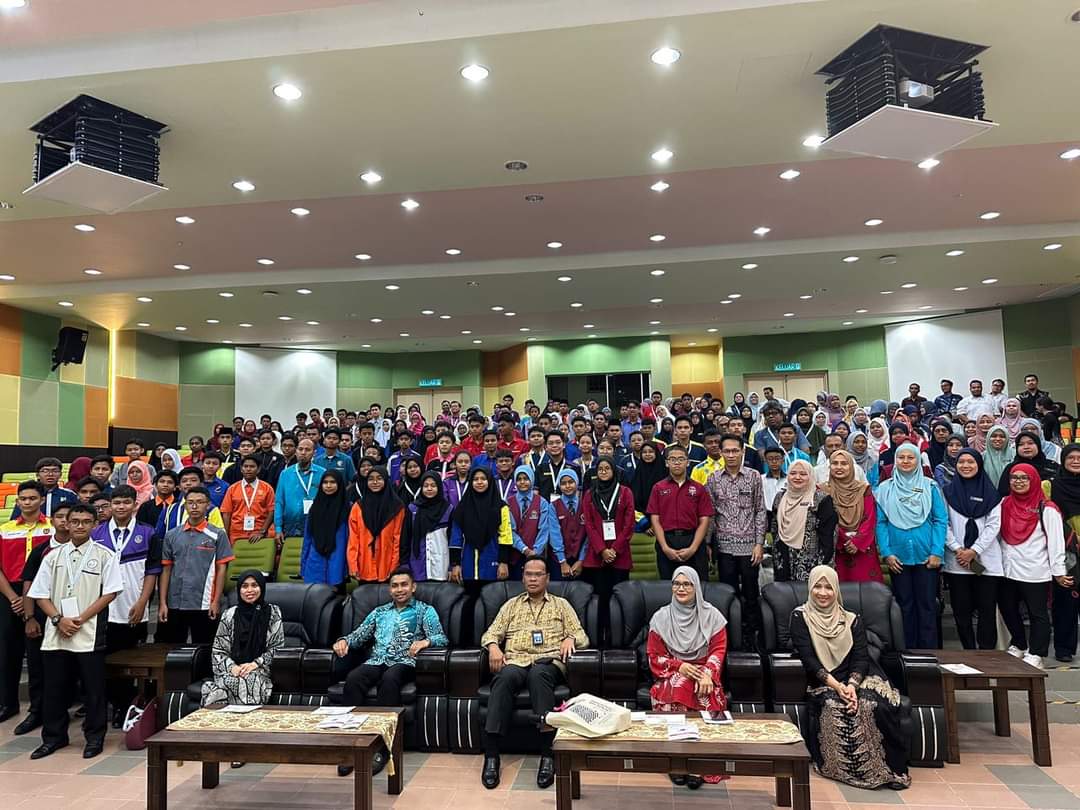
The Union made this position known at the end of its 18th National Delegates Conference (NDC) held in Jos, Plateau State, last week, where delegates undertook what ASUP described as “extensive and constructive deliberations on the state of the nation, the state of the sector and the state of the union.”
According to a communiqué signed by its National Publicity Secretary, Itoro E. Ekanemesang, ASUP lamented that the country’s inability to prioritise technical and vocational education has continued to weaken productivity, deepen unemployment and undermine Nigeria’s capacity to build a competitive workforce. The Union stressed that “the future of technical and vocational education depends on sustained investment,” warning that neglect of the Polytechnic system is directly linked to the nation’s skills deficit.
Furthermore, the union expressed deep concern over the persistent insecurity across the country and its growing impact on the safety of educational institutions, describing the situation as a threat to learning, research and staff welfare. Delegates also decried the escalating cost of living, inflation and economic hardship facing Nigerians, urging the Federal Government to strengthen security through improved intelligence coordination while introducing “urgent economic relief measures to cushion the harsh economic conditions and reduce the country’s high poverty level.”
On funding, the Union accused the government of failing to demonstrate a genuine commitment to revitalising Polytechnics, demanding the immediate release of approved funds for the second phase of the NEEDS Assessment Intervention. ASUP insisted that the funds must be disbursed “transparently, equitably and accountably to all eligible institutions,” arguing that anything short of this would further cripple the sector.
The conference also condemned the prolonged delay in settling CONTISS 15 migration arrears owed to lower-cadre academic staff, describing the situation as “unjust and demoralising.” Delegates warned that continued neglect of staff welfare would only erode morale and worsen industrial relations in the Polytechnic system.
ASUP equally renewed its long-standing call for an end to the HND/BSc dichotomy, commending the National Assembly for reintroducing the bill to abolish what it described as a discriminatory policy. The Union appealed to President Bola Ahmed Tinubu to assent to the bill when passed, stressing that ending the dichotomy would “promote fairness, strengthen national unity and modernise Nigeria’s workforce.”
On industrial harmony, the Union expressed frustration over the delay in concluding the renegotiation of the ASUP/FGN Agreement of 2010, noting that reforms in policy frameworks, supervision, funding and staff welfare are long overdue. It urged the government to act with sincerity and responsibility, warning that the agreement remains central to stability in the sector.
Delegates also criticised administrative lapses arising from the delayed reconstitution of Governing Councils, which stalled the appointment of principal officers in several institutions. While acknowledging recent efforts to resolve the issue, ASUP cautioned that such delays “must never repeat,” as they undermine institutional governance and stability.
The conference condemned what it described as the unacceptable delay in releasing the revised Scheme of Service and Conditions of Service, noting that the situation has weakened staff morale and impeded institutional growth. ASUP demanded the immediate approval and implementation of the revised documents, which it said already reflect agreed standards.
Raising concerns over staff welfare, the Union urged all proprietors, particularly state governments, to clear outstanding promotion arrears, salary shortfalls, pension liabilities and third-party deductions. While acknowledging improvements in some institutions, delegates insisted that “complete compliance remains the only acceptable standard.”
ASUP also rejected attempts to outsource quality assurance functions of the National Board for Technical Education (NBTE) to private vendors, describing the move as a direct threat to the credibility and autonomy of the Polytechnic system. It maintained that quality assurance must remain “a core responsibility of a public institution, not a profit-driven enterprise.”
Also, the Union condemned the indiscriminate conversion of Polytechnics into Universities, warning that the trend distorts Nigeria’s technical education framework and weakens skills development. ASUP renewed its demand for the implementation of a dual-mandate structure that allows Polytechnics to mount degree programmes without abandoning their technological education mandate.
The conference welcomed progress on the Dual Mandate Bill and the National Commission for Polytechnics Bill, urging the National Assembly to fast-track their passage. It also called on state governments to domesticate and fully implement the 2019 Polytechnic Act, expressing concern that many state-owned institutions still operate under outdated laws that breed inconsistencies in governance, funding and autonomy.
ASUP further rejected attempts by NBTE to centralise HND admissions through an online portal, describing it as an encroachment on institutional autonomy and a violation of the statutory powers of Academic Boards. Delegates commended the eventual reversal of the policy following union intervention.
The Union also condemned what it described as the suppression of union activities in some institutions, citing incidents at Federal Polytechnics Nekede and Bida, and warned that future attempts to intimidate or victimise union members would be firmly resisted.
At the conference, ASUP elected a new Council of National Officers to pilot the affairs of the Union, with Shammah Sunday Kpanja emerging as President, alongside other national and zonal officers.
Provided by SyndiGate Media Inc. (Syndigate.info).