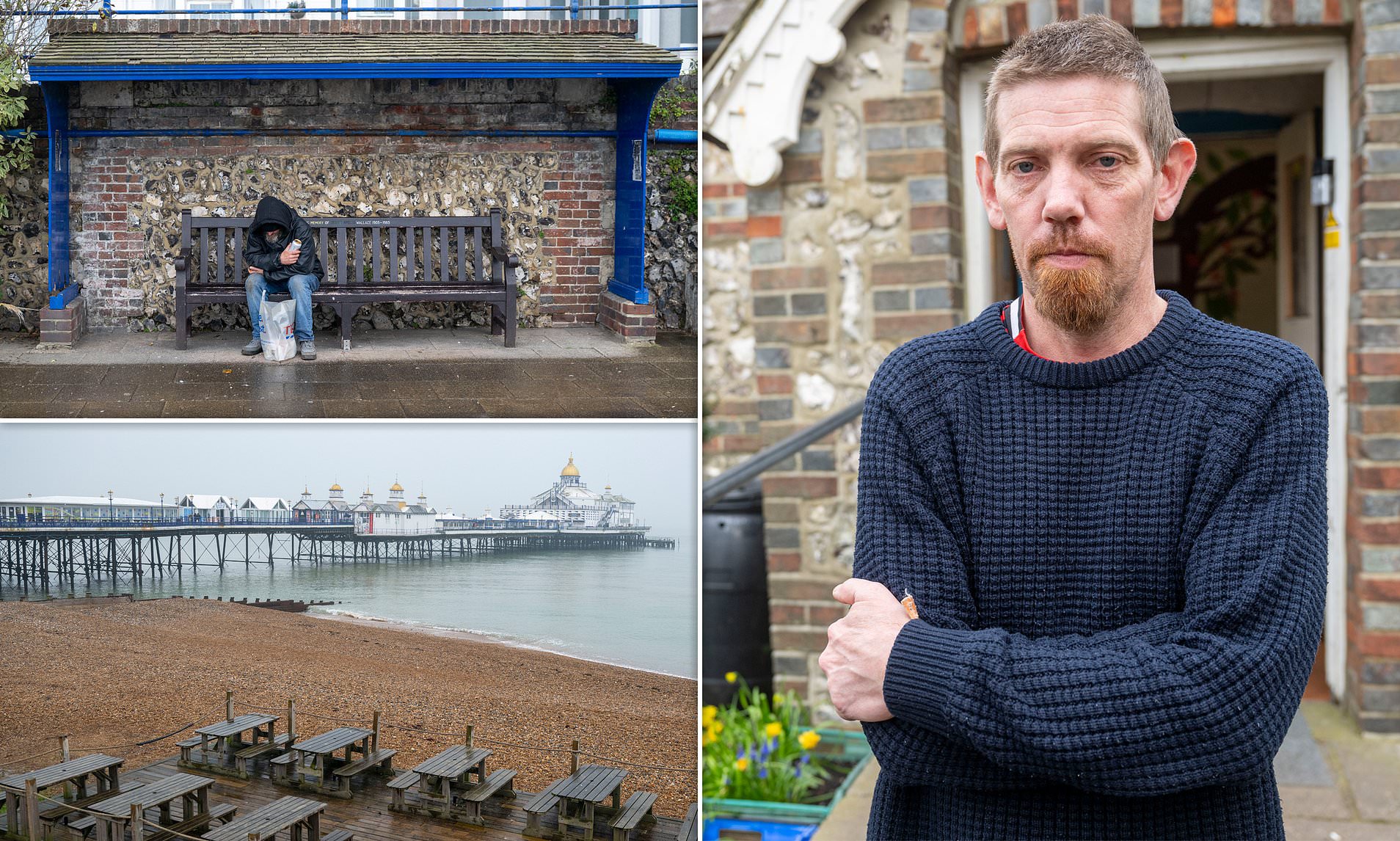
The Homelessness Crisis in Brighton and Eastbourne
Brighton, known for its Regency mansions, grand seafront hotels, and top-notch restaurants, is a popular seaside destination that attracts millions of visitors each year. Its reputation for tolerance, liberalism, and generosity has also made it a place where many people choose to settle permanently. However, the city’s image as an “oasis of niceness” and a “city of sanctuary” has been challenged by a controversial policy affecting its homeless community.
Homeless individuals in Brighton claim that the local council is trying to “airbrush” them out of the picture by relocating them to Eastbourne, 20 miles down the coast. Over the past two years, dozens of homeless people have been moved from their hometowns and placed in Eastbourne without adequate support or resources.
Dan Hylands, a 34-year-old man with Asperger’s Syndrome, was one of those relocated. He was previously housed in hostels in Brighton but was moved to an out-of-borough placement last July. He described the experience as isolating and disorienting. “They literally just booked me a taxi and shipped me all the way over here,” he said. “They just dumped me here.”
Hylands found the hostels in Brighton unsafe and stressful, often filled with drug addicts. He felt that being on the streets was safer than staying in those environments. Now living in a house share in Eastbourne, he struggles to access the disability treatment and support services he once had in Brighton.
Similarly, Nick Carpenter, a 45-year-old father of three, was moved from his hometown of Lewes to Eastbourne after becoming homeless. His mental health has deteriorated since the move, and he finds it difficult to rebuild his life in a new environment. “I’m out of my comfort zone in Eastbourne,” he said. “I don’t have any of my friends or family or support network here. It’s difficult trying to start again in a strange place.”
Many councils in affluent cities are accused of moving homeless individuals to areas with lower rents, citing cost-saving measures. This practice has led to tensions between councils, with Eastbourne accusing Brighton of placing an unfair burden on its resources.
Alex Haward, who works at Matthew 25, a Christian homelessness charity in Eastbourne, estimates that between 70 and 80 new people from Brighton have relied on their services since the end of 2024. He criticized the policy, stating that vulnerable individuals are being removed from their support networks and placed in unfamiliar environments. “These are people, often with very complex mental health issues, who are being destabilised by the very system put in place to help them,” he said.
The situation has escalated to the point where Eastbourne Council has demanded that Brighton stop the policy and address its own homelessness crisis. Cllr Peter Diplock, cabinet member for Housing and Homelessness, emphasized that Eastbourne cannot continue to act as a “pressure valve” for neighboring authorities. “This places vulnerable people at risk, and this situation must change,” he said.
Josh Babarinde, Liberal Democrat MP for Eastbourne, echoed these concerns, stating that out-of-borough placements should never be made for financial reasons. “It betrays those people being placed. It leaves already vulnerable people further at risk and puts undue pressure on local authorities and charities,” he said.
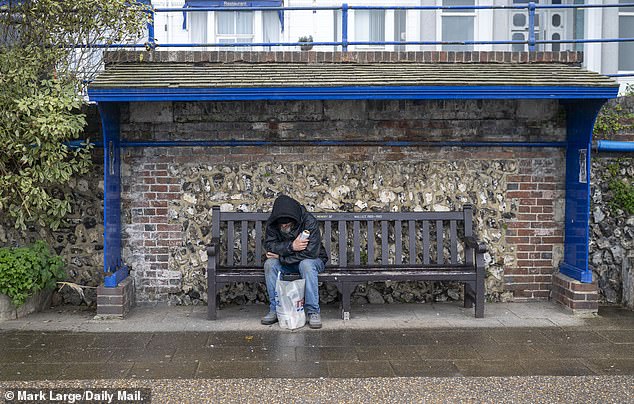
Eastbourne residents have also expressed frustration with the growing homeless population, which they say is altering the town’s character. Albert and Gillian Andrews, who moved to Eastbourne nine years ago, noted that the number of homeless people has increased significantly. “It’s not the same,” said Mrs. Andrews. “There are far more of them, camping out in the parks, near the train station and on the beach.”
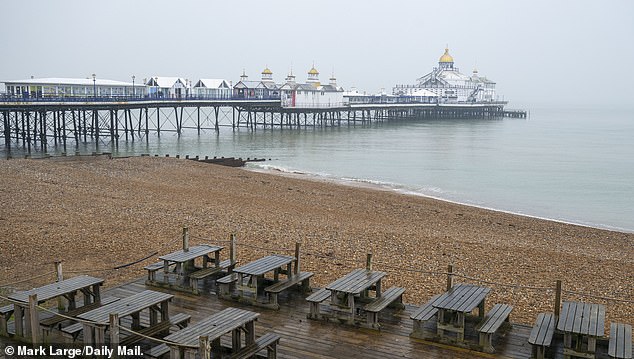
Philippa Nelson and Debbie Howarth, both long-time residents, believe the issue is damaging Eastbourne’s tourism industry. “It’s very visible these days,” said Mrs. Nelson. “Given these people are already very vulnerable, it doesn’t make sense to further destabilise them by taking them away from friends and family.”
Brighton has defended its actions, stating that the number of people placed in Eastbourne has decreased from a peak of 198 in September 2025. Cllr Gill Williams, cabinet member for housing, emphasized that the city prioritizes keeping people within Brighton whenever possible. “We’re working hard to increase available housing in our city and to expand temporary accommodation provision locally,” she said.
Despite these efforts, the debate over the relocation of homeless individuals continues, highlighting the complex challenges faced by councils across the UK. 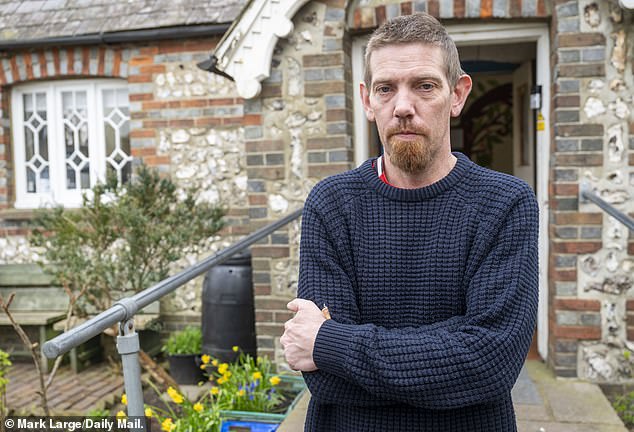

Related posts:
From Madina Old Road to the marketing boardroom: This is Dinah Asabea Darko

My 33-Year Battle with Idumota Marketers: The Unfiltered Journey of Queen Oluwa

What Governments Must Do Before Transitioning to the 12-Year Compulsory Education Model – Analysts


Beyond the Bill: Can Nigeria’s States Forge Effective Police Forces?